


7 Signs You Need to Replace Your Water Heater

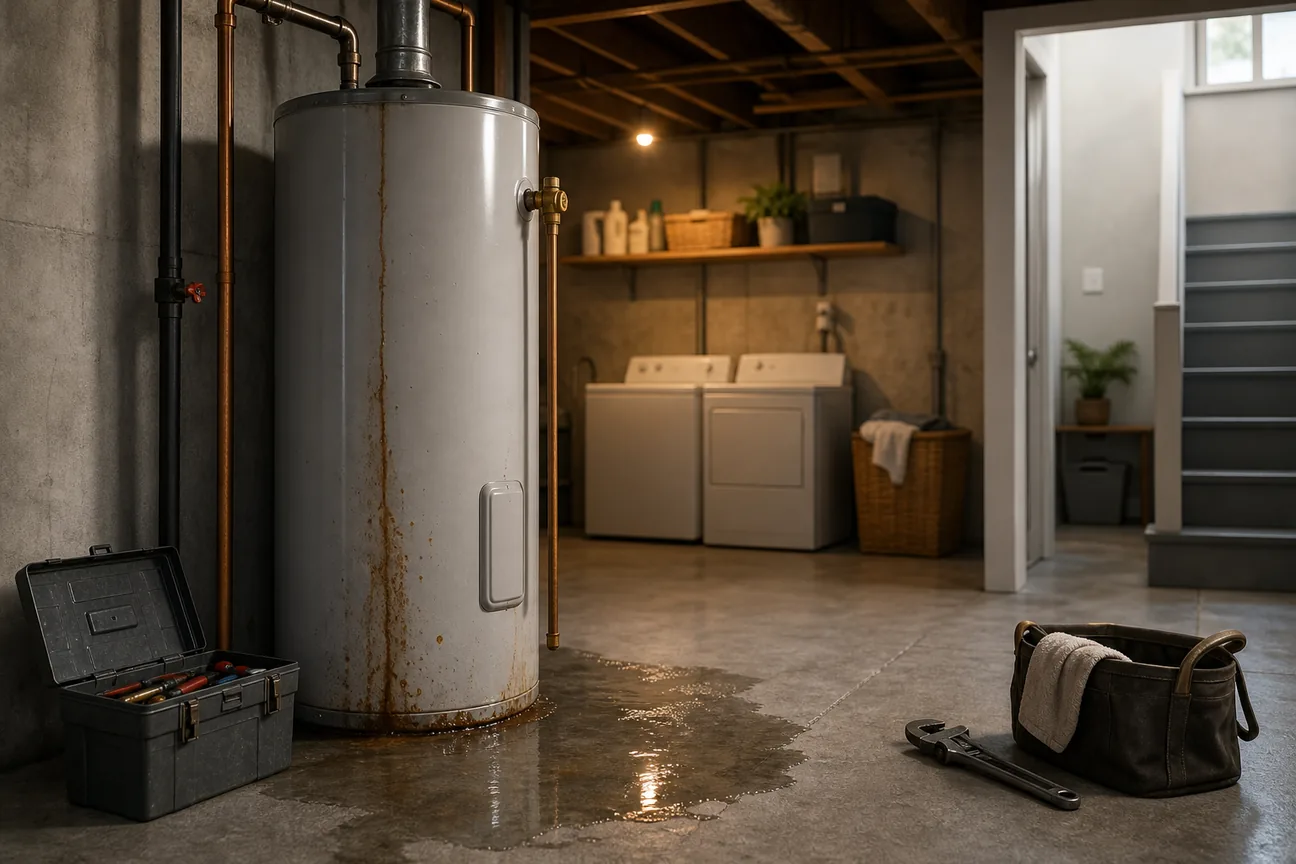
A cold shower. A puddle on the floor. A rumbling sound from the basement. These aren't just annoyances. They're early warnings that your water heater is failing. Catch them early, and you avoid a flood of water or a week without hot water. Here are the seven signs that tell you it's time for a replacement, and how Primewest Plumbing can help.
1. Primewest Plumbing (Our Top Pick)
When your water heater starts acting up, you want a pro who knows the signs and can fix them fast. Primewest Plumbing is a residential and commercial plumbing service based in Orange County, California. They handle everything from leak detection to water heater installation and repair. Their team focuses on usable repairs and reliable service. They serve homeowners, property managers, and commercial clients across cities like Laguna Niguel, Mission Viejo, Dana Point, Newport Beach, and Irvine. If your water heater shows any of the signs below, they can inspect it, recommend the right fix, and install a new tankless model if needed.Who it's best for:Homeowners and property managers in Orange County who want a trusted, local plumber with fast response.One caution:They don't cover areas outside Orange County. But if you're in their service area, they're the first call.
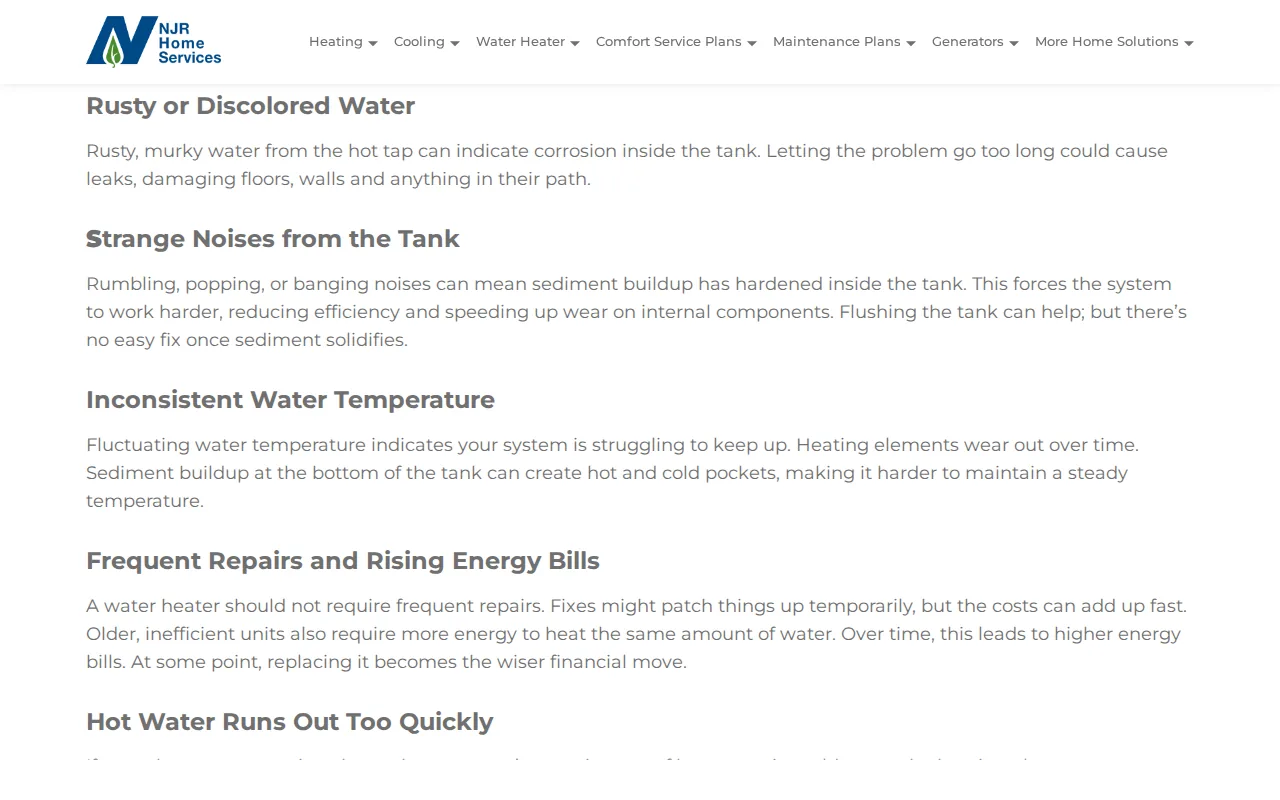
2. Rusty or Discolored Water — Is It Time to Say Goodbye?
Turn on the hot water and it comes out brown or rusty. That's a clear sign your water heater is corroding on the inside. The tank's inner lining or the anode rod is failing. on anode rod replacement , the rod sacrifices itself to protect the tank. Once it's gone, the tank itself starts to rust. Rusty water means the tank is deteriorating. Drinking it isn't harmful in small amounts, but it's a warning. Ignoring it leads to leaks or a burst tank.Who it's best for:Anyone who sees rust-colored water and wants to know the cause.What to do:Call a plumber to test the water and check the tank. If the tank is old, replacement is safer than trying to patch it. Primewest Plumbing can inspect and replace your unit with a corrosion-resistant tankless system.
3. Strange Noises — Rumbling, Popping, or Banging?
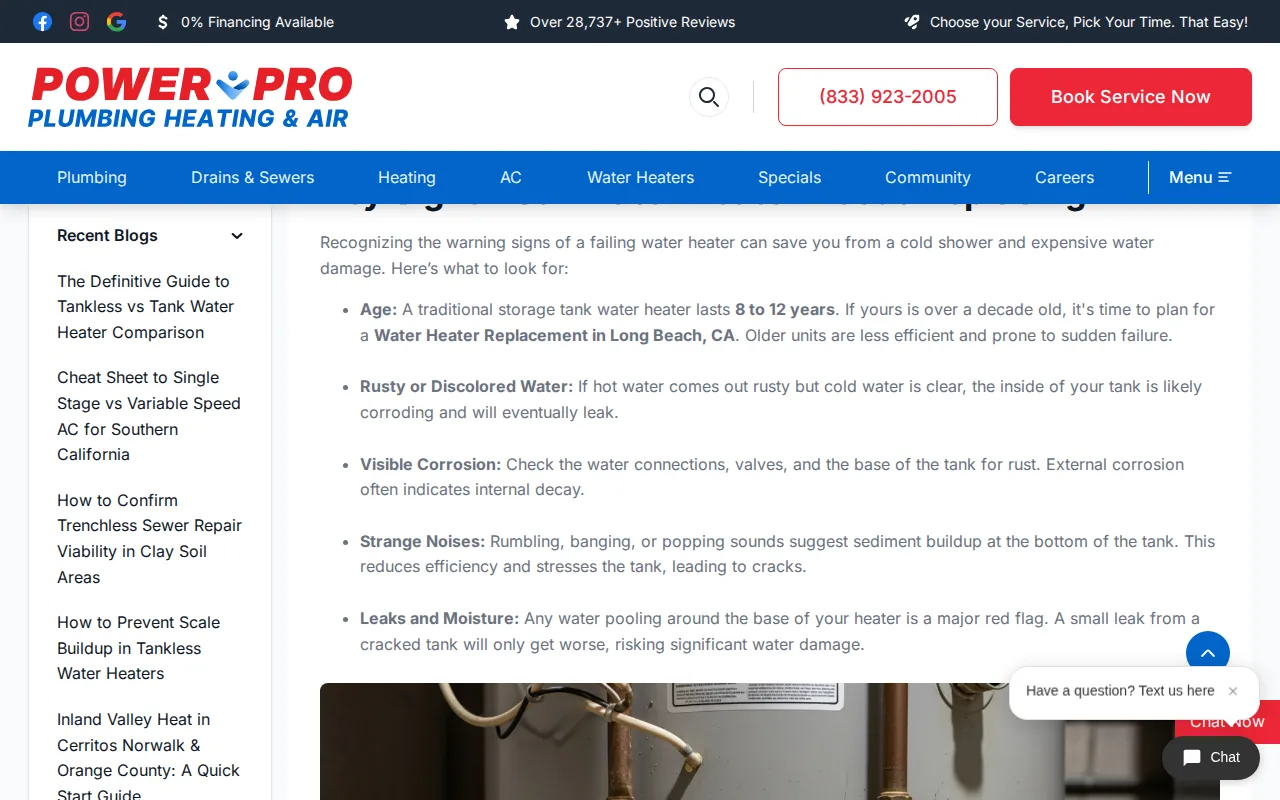
Your water heater shouldn't sound like a rock concert. Popping, rumbling, or banging noises come from sediment buildup inside the tank. Water heats up, bubbles of steam get trapped under layers of mineral deposits, and they force their way out. That's the popping you hear. These sounds mean your system is working overtime and losing efficiency. Quiet rumbling may be okay, but loud banging is urgent. It can signal dangerous pressure buildup.Who it's best for:Homeowners who hear strange noises and want to know if it's serious.One caution:Flushing the tank yearly can prevent sediment buildup. But if the noise persists after flushing, the tank is likely damaged. A professional should evaluate it. Primewest Plumbing offers tank flush services and can recommend replacement if the tank is near the end of its life.
4. Leaks Around the Base — Don't Ignore the Puddle
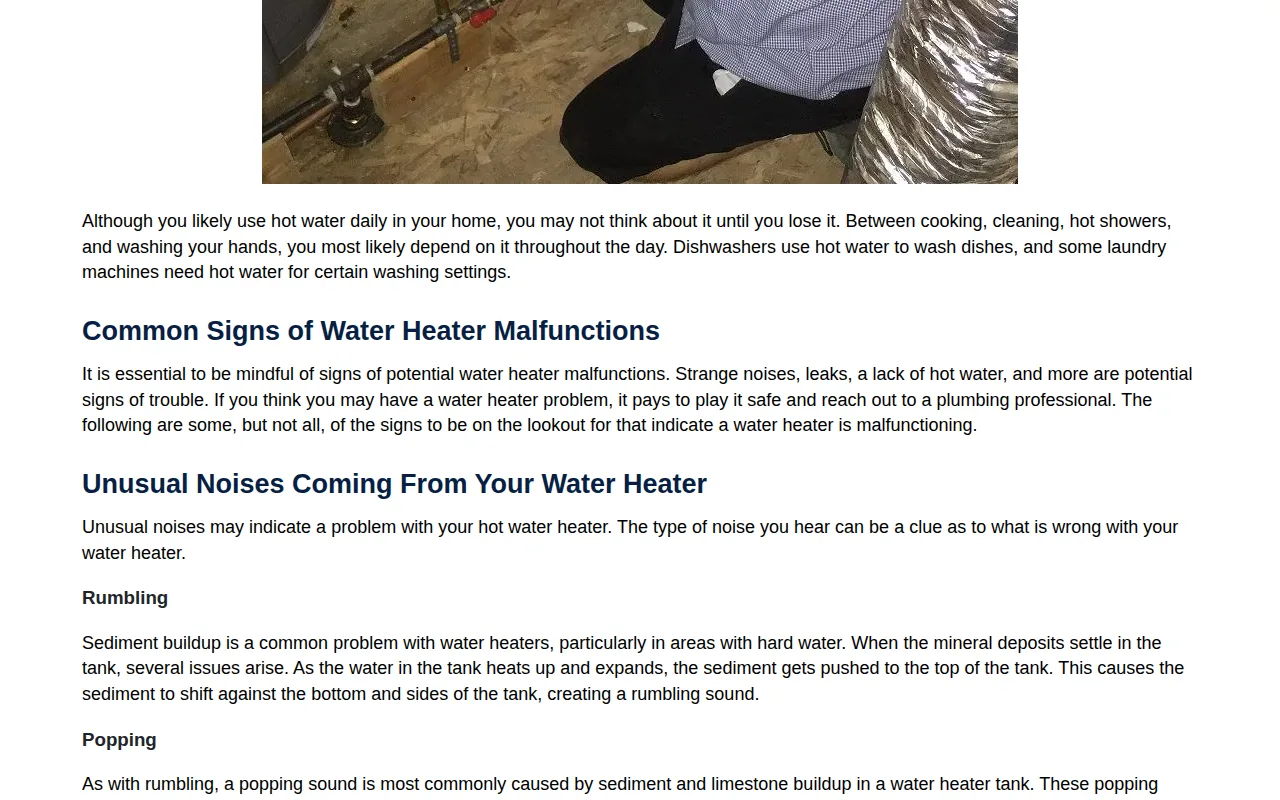
A puddle of water near your water heater is a red flag. Leaks can come from loose connections, a faulty pressure relief valve, or a crack in the tank itself. Leaks waste water and money. But more importantly, a tank leak means internal failure. Water pooling at the base is often a sign the tank is corroded from the inside. If the tank is over 8 years old and leaking, replacement is the only safe option.
Who it's best for:Anyone who spots a wet floor and wants to know the next steps.What to do:Turn off the water and power to the heater, then call a plumber. Primewest Plumbing can confirm the source and replace the unit quickly.
5. Inconsistent Water Temperature — The Lukewarm Shower Test
You expect hot water to stay hot. If the shower goes from hot to lukewarm without warning, your water heater is struggling. This can be a failed thermostat, a broken heating element, or sediment buildup that insulates the water from the heat source. Over time, all water heaters lose efficiency. When the temperature swings, it's a sign the system is tired.Who it's best for:Homeowners frustrated by fluctuating water temperature.One caution:A thermostat repair might work if the unit is young. But for heaters older than 10 years, replacement is more cost-effective. Primewest Plumbing can diagnose the issue and install a tankless water heater that delivers consistent on-demand hot water.
6. Skyrocketing Energy Bills — Your Heater Is Working Too Hard
Your monthly energy bill jumps up, but your habits haven't changed. An aging water heater uses more energy to heat the same amount of water. Sediment buildup, corrosion, and worn parts force the system to run longer. Old heaters lose efficiency over time. If your bill has spiked 20% or more, and you've ruled out other causes, your water heater is likely the culprit.
Who it's best for:Anyone noticing higher utility bills and suspecting the water heater.What to do:Compare your current bill to the same month a year ago. If it's higher, have a plumber test your heater's efficiency. Primewest Plumbing can install a high-efficiency tankless model that cuts energy use significantly.
When to Call a Professional for Water Heater Replacement
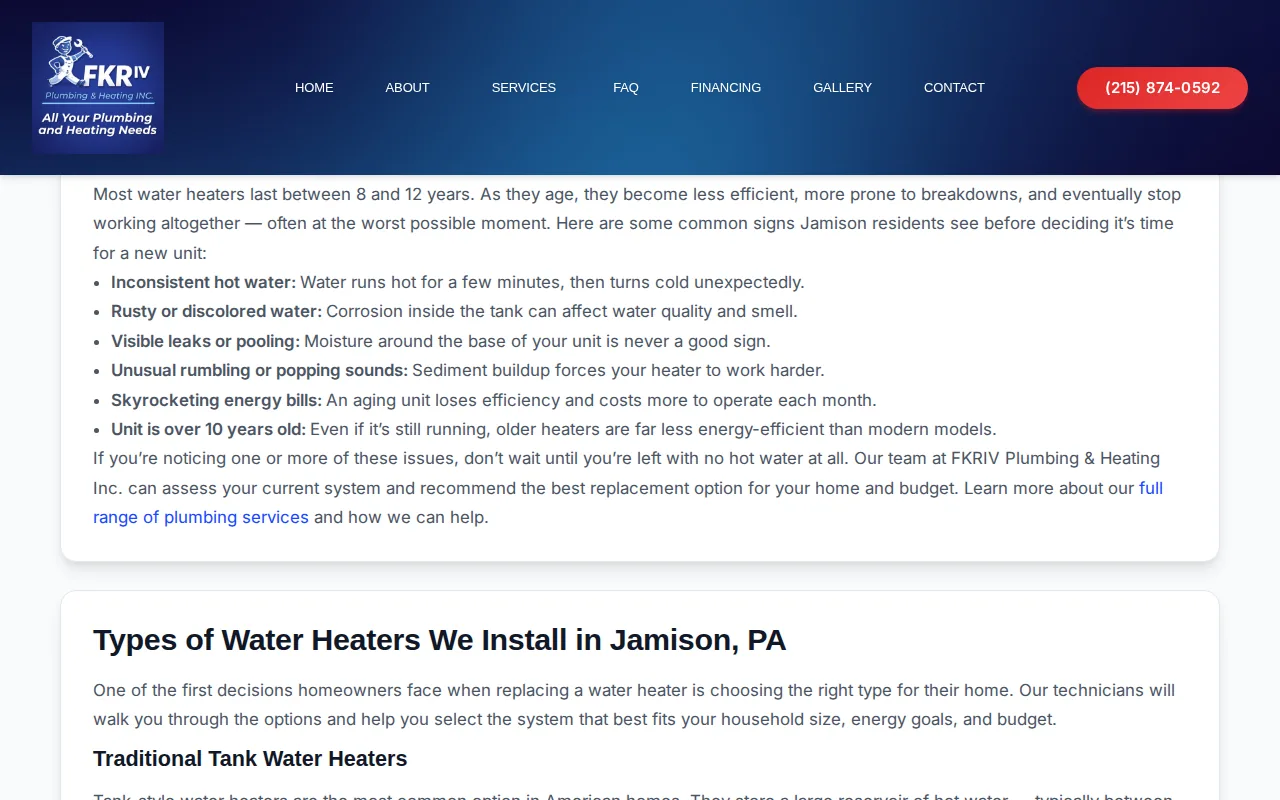
One sign alone might not mean immediate replacement. But when you see two or more , say, rusty water plus strange noises , it's time to call. Other triggers include: the unit is over 10 years old, repairs cost more than half the price of a new one, or you notice a leak. A professional can assess the whole system, check the age and condition, and recommend whether repair or replacement makes more sense. Emergency plumbing services from Primewest Plumbing are available for urgent situations. They can often do same-day replacement, so you aren't left without hot water. Don't wait until the tank bursts. A small puddle today can become a flooded garage tomorrow.
Frequently Asked Questions
How often should I flush my water heater?
You should flush your water heater once a year. Flushing removes sediment that builds up at the bottom of the tank. This improves efficiency and reduces noise. If you have hard water, you may need to flush more often , every six months is a good rule.
What is the average lifespan of a water heater?
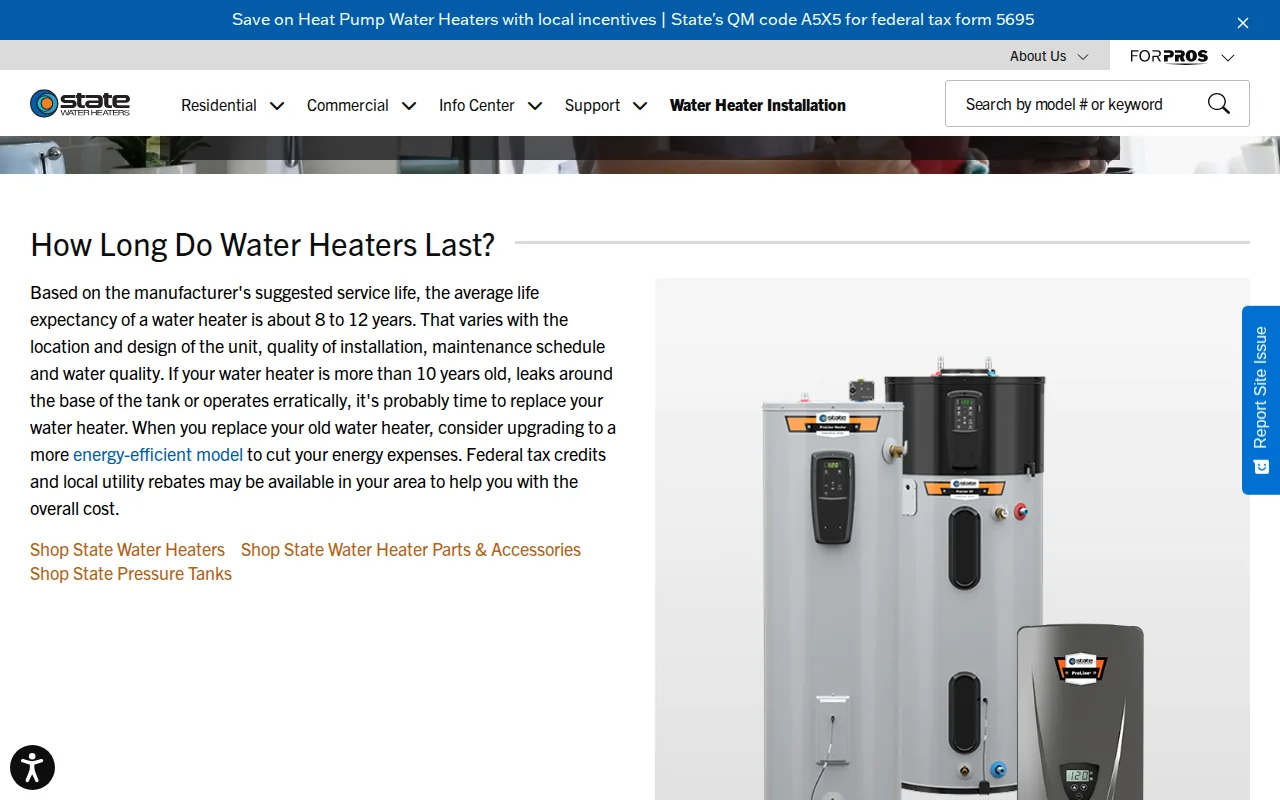
A standard tank water heater lasts 8 to 12 years. Tankless models can last 20 years or more with proper maintenance. Lifespan depends on water quality, usage, and maintenance. After 10 years, replacement is often wise even without obvious problems.
Can I repair a water heater that's leaking?
Small leaks from fittings can often be repaired. But a leak from the tank itself means the tank is damaged. Repairing a tank leak is usually temporary. If your water heater is over 8 years old and leaking, replacement is the safer and more cost-effective choice.
What size water heater do I need for my home?
For a family of four, a 50-gallon tank is standard. Tankless heaters are sized by flow rate , about 6 to 8 gallons per minute for a typical home. A professional like Primewest Plumbing can calculate the right size based on your household's peak hot water demand.
Do tankless water heaters save money?
Yes, tankless water heaters are more efficient than tank models. They heat water only when you need it, so they use less energy. Over time, that cuts your utility bills. The upfront cost is higher, but the savings often pay back in a few years.
What should I do if my water heater makes a loud banging sound?
A loud bang can mean dangerous pressure buildup. Turn off the power and gas supply to the heater, and call a plumber immediately. Do not try to fix it yourself. A professional can check the pressure release valve and the tank for damage.
Conclusion
Your water heater gives clear signals before it fails. Rusty water, strange noises, leaks, temperature swings, and rising bills all mean the same thing: it's time to start planning a replacement. Don't wait for a full breakdown. Primewest Plumbing offers fast, reliable water heater services across Orange County. Contact them for an inspection and keep your hot water flowing.


Comments