


How to Detect a Hidden Water Leak in Your Home

Hidden water leaks can waste hundreds of gallons and damage a home before anyone notices. The following steps let you find a concealed leak before it becomes an emergency.
Step 1: Check Your Water Meter
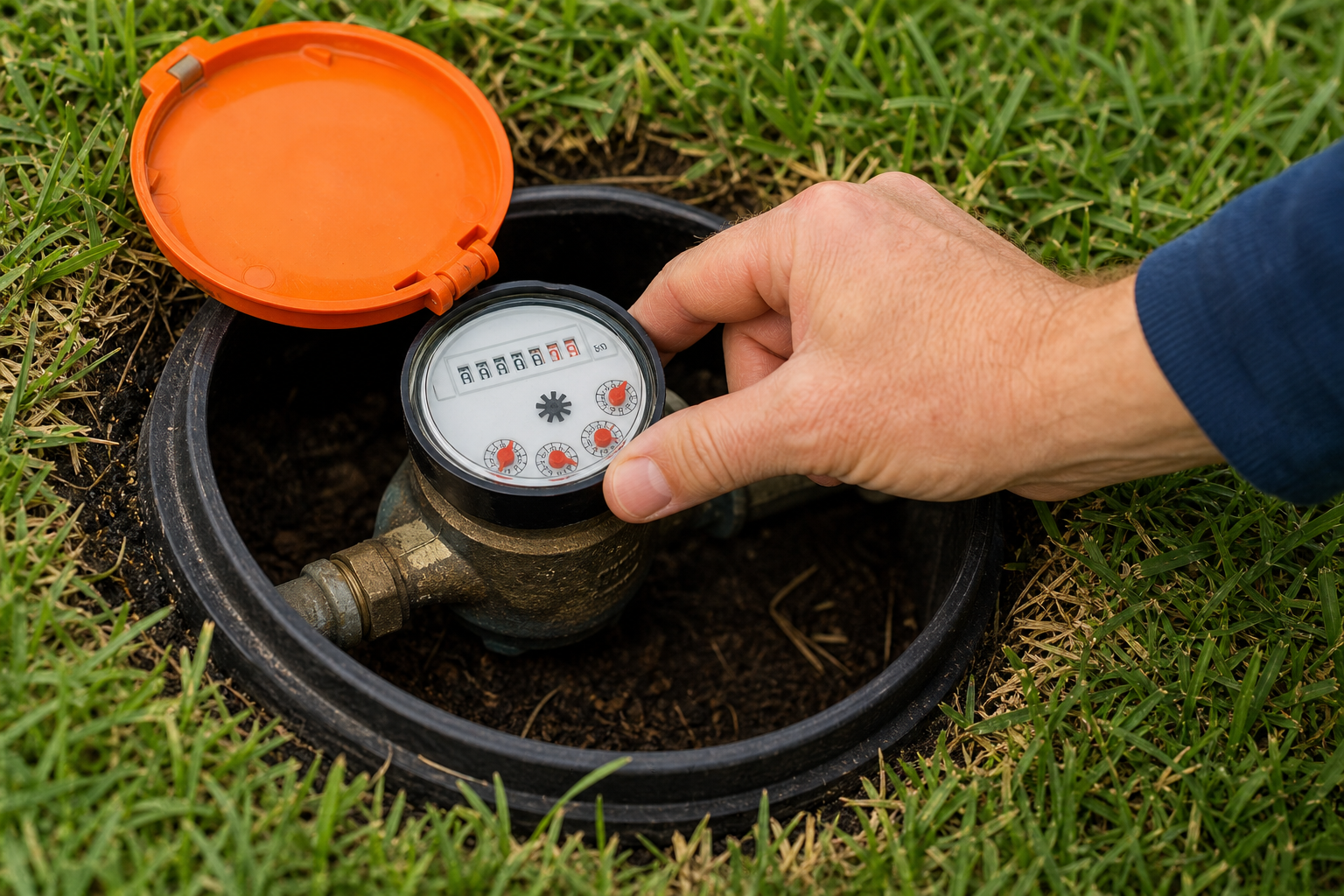
Turn off every faucet, appliance, and irrigation system in the house. Record the reading on the meter and wait two hours without using any water. If the dial moves, water is flowing somewhere unseen.
Mark the meter reading with a piece of tape so you can compare later. A small, steady movement often indicates a slow leak in a pipe hidden behind a wall or under a slab.
Professional plumbers use this same test as a first diagnostic. For a deeper look at how Orange County plumbers locate slab leaks, on Slab Leak Detection: How Orange County Plumbers Find Hidden Leaks . This resource explains why a moving meter is a reliable early warning.
Step 2: Monitor Your Water Bill for Unexplained Increases
Compare your current bill with the same month from the previous year. A rise of more than 10 % without a change in usage patterns often points to a hidden leak.
Check for seasonal spikes such as higher water use in summer. If the increase persists after accounting for irrigation or pool refills, the loss is likely internal.
The EPA notes that a single leaking toilet can waste 200 gallons a day. EPA water research confirms that small, constant losses add up quickly and raise utility costs.
Step 3: Conduct a Visual Inspection of Pipes and Fixtures
Look for damp spots, discoloration, or peeling paint on walls, ceilings, and floors. Moisture often appears as yellow or brown stains.
Check under sinks and around appliances for water rings or mineral buildup. A musty odor can also signal hidden moisture.
For a full checklist of warning signs, on Signs of a Water Leak in Orange County, California . It lists the most common visual cues homeowners miss.
Step 4: Perform a Toilet Leak Test with Food Coloring
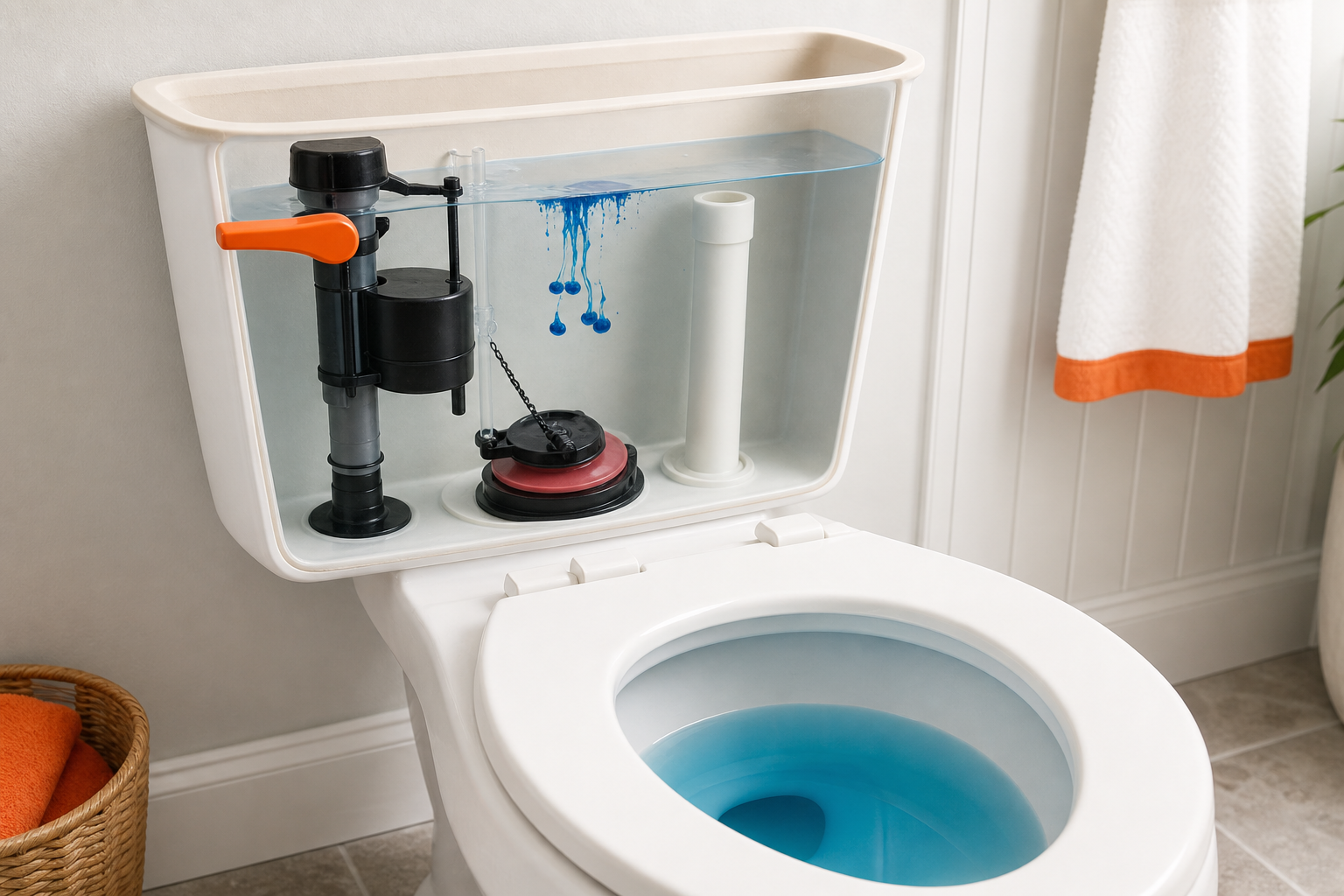
Remove the tank lid and add a few drops of food‑grade dye to the water. Let the toilet sit for 30 minutes without flushing.
Check the bowl. If colored water appears, the flapper or fill valve is allowing water to seep from the tank.
This simple test isolates a toilet leak without dismantling the fixture.
Step 5: Listen for Leaking Sounds
When all fixtures are off, move quietly around the house and place your ear close to walls and floors. A faint hissing or bubbling noise can indicate water moving through a pipe.
Use a stethoscope or a simple screwdriver pressed against the surface to amplify the sound. The tone of a pressurized leak is low and steady.
Professional acoustic detectors pick up the same sound patterns, but a careful ear can often locate the general area.
Step 6: Use Advanced Detection Tools (Moisture Meter or Thermal Imaging)
Handheld moisture meters scan walls, floors, and ceilings for improved moisture levels. Pinless meters give a quick heat map, while pin meters confirm exact spots.
Thermal imaging cameras detect temperature differences. Wet areas appear cooler on the infrared display, pointing you to hidden leaks behind finishes.
Both tools let you narrow the search before opening any structure. For a technical overview of how these devices work, see Wikipedia article on leak detection . The page explains the physics behind acoustic, moisture, and thermal methods.
Primewest Plumbing offers professional acoustic‑thermal services that combine these tools for precise, non‑invasive results. Their experts can verify your DIY findings and complete the repair.
Frequently Asked Questions
How can I tell if my water meter is actually moving?
If the meter needle or digital display changes while no water is in use, a leak exists. Record the reading, wait an hour, and compare.
What amount of water loss indicates a serious problem?
Even a loss of 10‑20 gallons per day can add up to thousands of gallons a year and cause structural damage.
Can I rely only on a visual inspection?
Visual clues are useful, but many leaks hide behind walls or under slabs where moisture is not visible.
Do food‑color tests work on all toilets?
The test works on standard gravity‑flush toilets. Low‑flow or dual‑flush models may require a longer waiting period.
Is a moisture meter accurate enough for DIY use?
Moisture meters give reliable relative readings. Use them to locate a suspect area, then consider a professional inspection for confirmation.
When should I call a professional?
If you cannot pinpoint the source after these steps, or if the leak is behind a slab, contact a licensed leak‑detection service.
Detecting a hidden water leak early saves money and protects your home. If you need expert confirmation, schedule an inspection with Primewest Plumbing. Their non‑invasive methods will locate the leak quickly, so you can repair it before damage spreads.


Comments