


Signs of a Clogged Sewer Line Every Homeowner Should Know

Seeing water where it shouldn't be or hearing strange noises can feel like a nightmare. Those clues often point to a clogged sewer line. Below you’ll find the definition, how it works, the warning signs, common causes, risks, and why Primewest Plumbing should be your first call.
What Is a Sewer Line and How It Works?
A sewer line is the main pipe that carries waste from every fixture in your home to the municipal sewer or septic system. It sits below the foundation, usually made of PVC, cast iron, or clay. Waste flows by gravity, so the pipe must stay clear for water to move smoothly.
When the line stays clean, water drains quickly and odors stay hidden. When a blockage forms, pressure builds, forcing water to back up into lower‑lying fixtures. The result is slow drains, gurgling sounds, and, in severe cases, sewage spilling onto your floor.
Understanding this simple path helps you spot problems early. For a deeper look at how gravity‑driven drainage works, see the Wikipedia entry on sanitary sewer systems . Primewest Plumbing often inspects these lines with a camera to pinpoint blockages before they cause damage.
Homeowners in Orange County who need a quick inspection can also read about Drain Cleaning in San Juan Capistrano . The service includes a video inspection that shows exactly where the line is clogged.
Key Warning Signs of a Clogged Sewer Line
When waste can’t move, the house sends out signals. Spotting them early can save thousands.
Gurgling noisesfrom multiple drains indicate air is being pushed back through the pipe. The sound is louder when you run water in the kitchen or bathroom.
Water backing upin places you don’t expect, like the shower when you flush the toilet, means the main line is blocked downstream.
Bad odorscoming from several drains at once often signal a sewer line that isn’t moving waste.
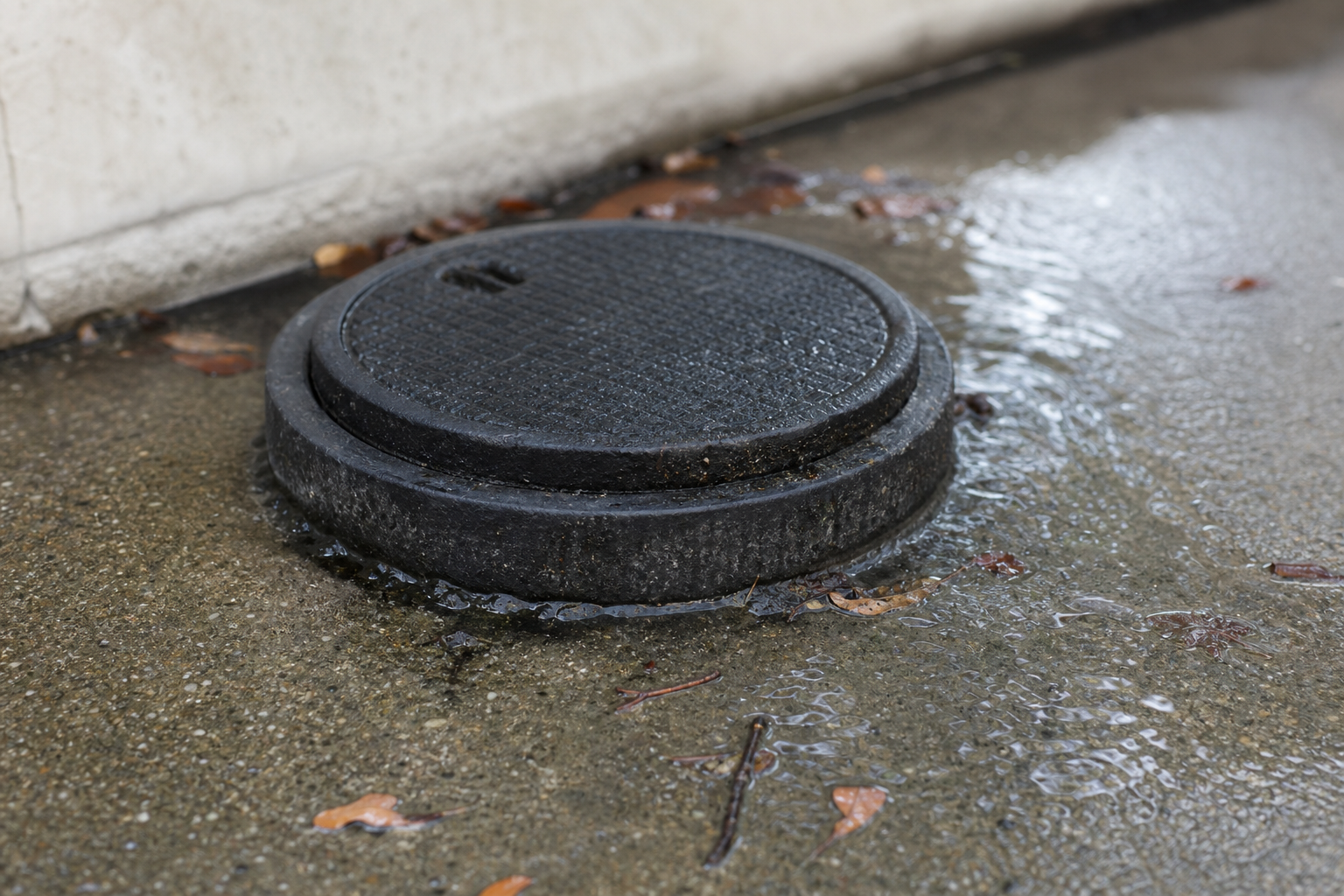
Pooling water near a cleanoutor seeing sewage on the yard shows the line is full and seeking an exit.
Slow‑moving or gurgling multiple drainsat the same time is a red flag. If more than one fixture is sluggish, the problem is likely in the main line, not a single trap.
Pro Tip:Check each basement and yard cleanout for a slow trickle of water after a heavy flush. A steady flow means the line is still passable; a sputter means a blockage.
Common Causes Behind Sewer Line Blockages
Not all clogs are created equal. Knowing the root cause helps you choose the right fix.
Tree roots are the most common intruder. They find tiny cracks, grow in, and create a natural plug.
Grease buildup from cooking oils and non‑biodegradable wipes creates a sticky film that narrows the pipe over years.
Heavy deposits of toilet paper, especially in older clay or cast‑iron pipes, can compact and block flow.
Structural issues like pipe collapse, bellies, or shifting soil also create hidden pockets where waste collects.
Manufacturers recommend a regular maintenance program to catch these problems early. Industry experts explain that root intrusion, grease, and pipe deterioration account for most clogs. They suggest hydro‑jetting and periodic camera inspections as preventive steps.
Primewest Plumbing uses high‑pressure hydro‑jetting and trenchless repair to clear roots and restore pipe shape without digging up your yard.
For the most effective cleaning, the company often combines hydro‑jetting with a mechanical snake to break up stubborn roots. After the job, they run a camera check to verify the line is clear.
Homeowners can also explore Hydro Jetting Orange County | Drain & Sewer Cleaning for more details on how high‑pressure water restores flow.
Potential Damage and Risks If Ignored
A clogged sewer line is more than a nuisance; it can become a costly emergency.
Within 24‑48 hours, sewage backup can contaminate walls, floors, and personal belongings. Untreated backups can cause significant structural and health‑related damage.
Health risks include exposure to harmful bacteria and mold growth, which can trigger respiratory issues for occupants.
Repeated backups often signal a broken pipe. A cracked line can leak into the soil, creating soggy patches in the yard and attracting insects.
Financially, a simple snake job costs a few hundred dollars, but a full pipe replacement, especially trenchless methods, can run into the thousands.
Key Takeaway:Ignoring early signs can turn a minor clog into a costly repair.
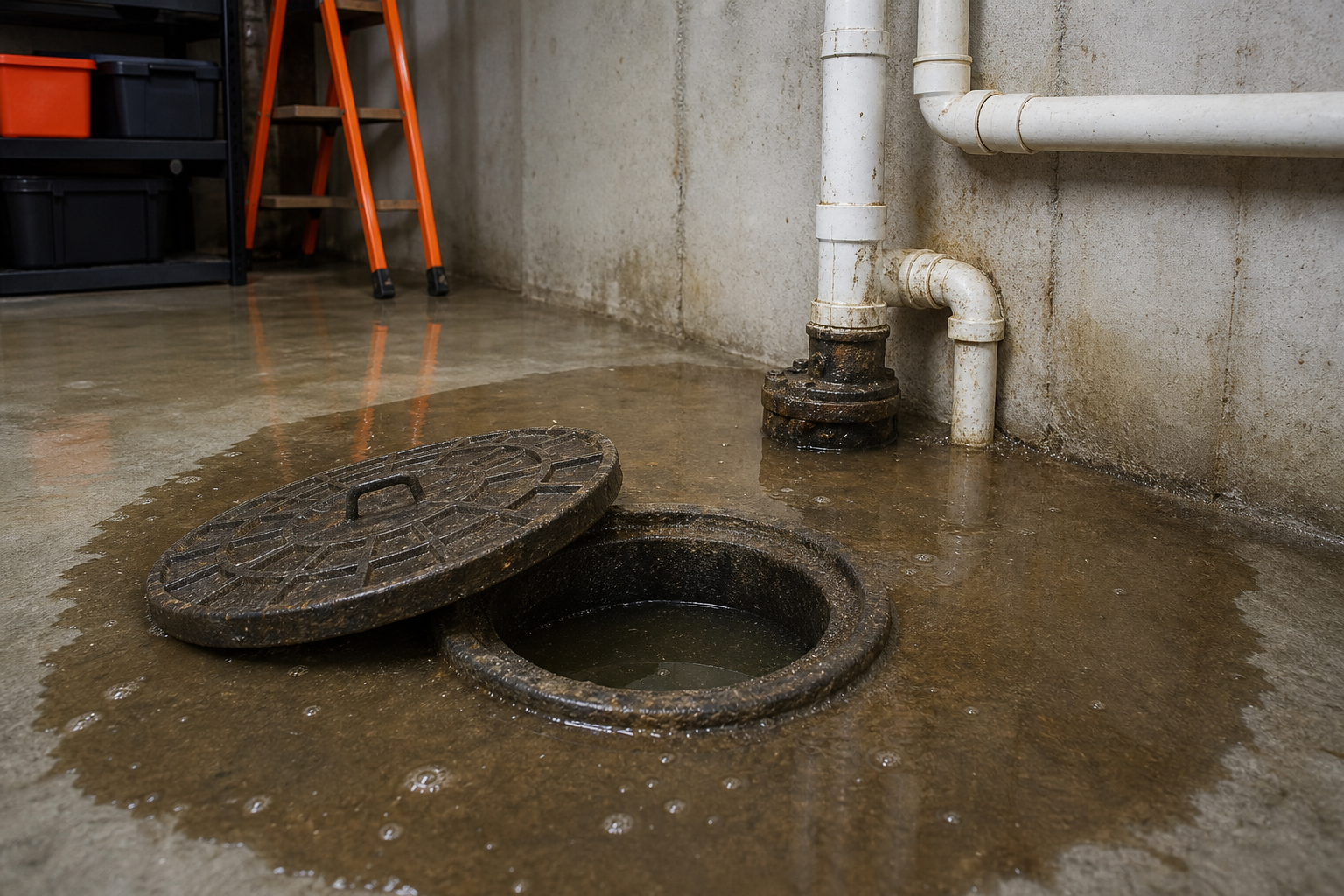
Because the cost of emergency excavation is higher than scheduled work, catching the problem early saves money and health risks.
Why Call Primewest Plumbing for Sewer Line Issues
Primewest Plumbing offers a full‑service solution for Orange County homes.
The company’s licensed technicians perform camera inspections, hydro‑jet cleaning, and trenchless repairs. Their high‑urgency rating means they treat a clogged line as an emergency, dispatching a crew within hours.
Clients benefit from transparent estimates, written warranties, and a track record of fast, reliable service. For homeowners who need immediate help, see the Best Emergency Plumbers in Orange County (2026) guide for more on rapid response.
Whether you’re a homeowner, property manager, or commercial owner, Primewest Plumbing’s approach reduces downtime and protects property value.
FAQ
What causes a sewer line to clog?
Tree roots, grease buildup, non‑flushable items, and pipe deterioration are the main culprits. Roots grow into cracks, while grease solidifies and narrows the pipe over time.
How can I tell if my sewer line is clogged?
Look for multiple slow drains, gurgling noises, sewage odors from several fixtures, or water pooling near a cleanout. These are classic signs of a blockage.
Do I need a professional to fix a sewer line clog?
Yes. Professional tools like hydro‑jetters and camera inspections can clear and diagnose the problem safely, preventing further damage.
Can I use chemical drain cleaners?
Chemical cleaners may damage pipes, especially older cast‑iron or clay. Mechanical methods such as snaking or hydro‑jetting are safer and more effective.
How long does a typical repair take?
Minor snaking jobs can be completed in a few hours. Trenchless repairs may take a day, while full excavations can require several days depending on scope.
Will my insurance cover sewer line repairs?
Standard homeowner policies usually exclude sewer line damage. Adding a sewer‑line endorsement, which costs about $40‑$60 per year, can provide coverage.
Conclusion
If you notice any of the warning signs, act fast and call Primewest Plumbing for a camera inspection and prompt repair. Getting professional help now avoids costly damage and keeps your home safe.


Comments