


Signs of a Slab Leak in Your Home: What to Look For

A hidden slab leak can waste water, raise your bill, and damage your foundation before you see a drop. Spot the warning signs early and you’ll save money and stress.
What Is a Slab Leak?
A slab leak is a water leak that occurs in the plumbing lines buried beneath the concrete foundation of a home. Because the pipes sit under the slab, you can’t see the crack or hole. Water escapes into the soil, erodes the ground, and can lift or shift the slab.
The problem often starts with a tiny pinhole in a copper or PEX line. Over time the pressure pushes water out, creating a constant flow that never stops. Once water reaches the soil it can travel for feet before surfacing, making detection hard.
Primewest Plumbing serves homeowners across Orange County, from Dana Point to Mission Viejo. Their technicians know that a slab leak is not just a nuisance; it can undermine a foundation, warp flooring, and invite mold growth.
Bottom line: a slab leak lives out of sight, but its effects show up in your home’s daily performance.
Key Signs of a Slab Leak to Watch For
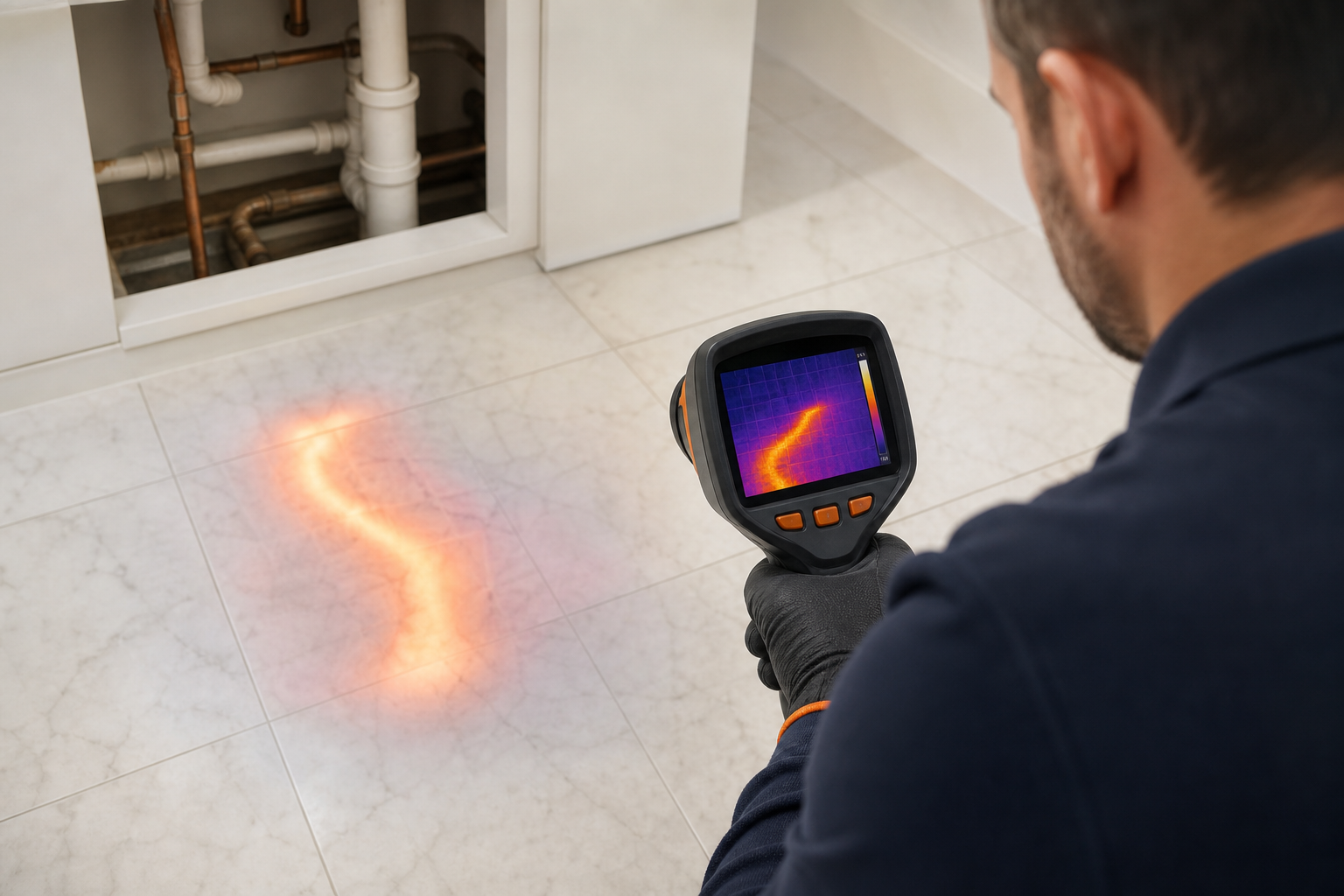
Warm spots on tile or hardwood often mean hot‑water is leaking under the slab. The heat travels up through the concrete, making the floor feel like a built‑in heater.
A constantly spinning water‑meter dial is another red flag. Even with every faucet turned off, the indicator will move if water is flowing somewhere hidden.
Unexpected spikes in your water bill are a low‑cost, quantitative clue. A small leak can waste hundreds of gallons each month, inflating the bill without any visible drip.
A musty or mildew odor that lingers despite cleaning points to moisture trapped in walls or flooring. The smell often precedes visible mold growth.
Low water pressure throughout the house can also signal a leak. When water escapes under the slab, less pressure reaches your fixtures.
Key Takeaway:Warm floors, a spinning meter, and a sudden bill jump are the three strongest early warnings of a slab leak.
Primewest Plumbing’s blog on Slab Leak Detection: How Orange County Plumbers Find Hidden Leaks breaks down how these signs fit together and why a professional check saves you from costly demolition.

Common Causes of Slab Leaks
Soil movement is the biggest driver in Orange County. Expansive clay expands when wet and shrinks when dry, pulling on the concrete slab and the pipes inside.
Corrosion of copper pipes over decades creates tiny holes. Water chemistry, especially high acidity, accelerates the wear.
Improper installation, such as pipes rubbing against sharp rocks or concrete, can cause abrasion that later becomes a leak.
High water pressure, above 80 psi, places extra stress on joints and fittings. When a pressure regulator fails, the extra force can crack a line under the slab.
Foundation shifts caused by uneven settlement also bend or crack the embedded plumbing. When the slab moves, the rigid pipes cannot flex, and the joint fails.
A single slab leak can waste a significant amount of water, enough to raise a typical household bill by dozens of dollars.
Bottom line: age, soil, pressure, and installation errors all combine to create hidden leaks.
How to Detect a Slab Leak
Professional detection starts with a meter test. Turn off every faucet, then watch the water‑meter indicator. If it still spins, water is moving somewhere in the system.
Acoustic listening devices pick up the sound of water under the concrete. Technicians place a sensitive microphone on the floor and listen for a faint hissing that indicates pressurized flow.
Thermal imaging cameras spot temperature differences on the surface. Hot water leaks show up as bright spots on the camera’s display, while cold leaks may appear as cooler patches.
Moisture sensors can be drilled into the slab to measure humidity levels at various depths. Improved readings pinpoint the leak’s general area.
Pro Tip:Ask the plumber to map pressure loss across the system; a sudden drop often points to the exact pipe segment that’s leaking.
Primewest Plumbing’s Leak Detection Plumber service combines these tools, minimizing unnecessary demolition.
What to Do If You Suspect a Slab Leak
First, shut off the main water supply at the meter. This stops additional water from feeding the leak while you arrange professional help.
Second, document what you’ve observed: the warm floor, the meter reading, the bill amount, and any odors. Detailed notes help the technician locate the leak faster.
Third, call a licensed leak‑detection specialist. Primewest Plumbing will perform a non‑invasive locate before any concrete is cut, using acoustic and infrared equipment.
After the leak is found, the repair path depends on the pipe material and the extent of damage. Spot repair through a small access cut works for a single pinhole. For older homes, rerouting the supply lines above the slab provides a long‑term solution.
Finally, address any water damage. Mold remediation, drywall replacement, and floor repair may be needed. Keep receipts and photos for insurance claims.
Primewest Plumbing can also help you file the paperwork, providing a detailed report of the leak location, the equipment used, and the repair steps taken.
Frequently Asked Questions
How can I tell if my water meter is still running?
If the small leak‑indicator dial on the meter moves while all fixtures are off, water is flowing somewhere in the house.
Will a slab leak always cause visible water on the floor?
No. Many leaks stay hidden for weeks, releasing moisture into the soil before it reaches the surface.
Can I fix a slab leak myself?
Attempting a DIY repair usually means cutting the slab blindly, which can cause more damage and higher costs.
Why does my water heater run constantly with a slab leak?
A hot‑water line leak sends heat into the slab, causing the heater to fire on to replace lost hot water, which raises energy usage.
Will low water pressure always mean a slab leak?
Low pressure can result from a leak, but it may also be due to a municipal issue or a failing pressure regulator.
How long does detection take?
Modern acoustic and thermal tools can locate a slab leak within an hour, often without breaking any flooring.
Conclusion
If you notice warm spots, a spinning meter, or a sudden bill jump, call Primewest Plumbing for a professional slab‑leak inspection.
Schedule a detection visit today and protect your home before the damage spreads.


Comments