


Top Benefits of a Whole House Water Filtration System

Clean water at every tap feels like a small miracle. A whole house water filtration system makes that miracle happen for your whole home. Below you’ll see why it matters for health, savings, and your fixtures.
Table of Contents
What a Whole House Water Filtration System Is
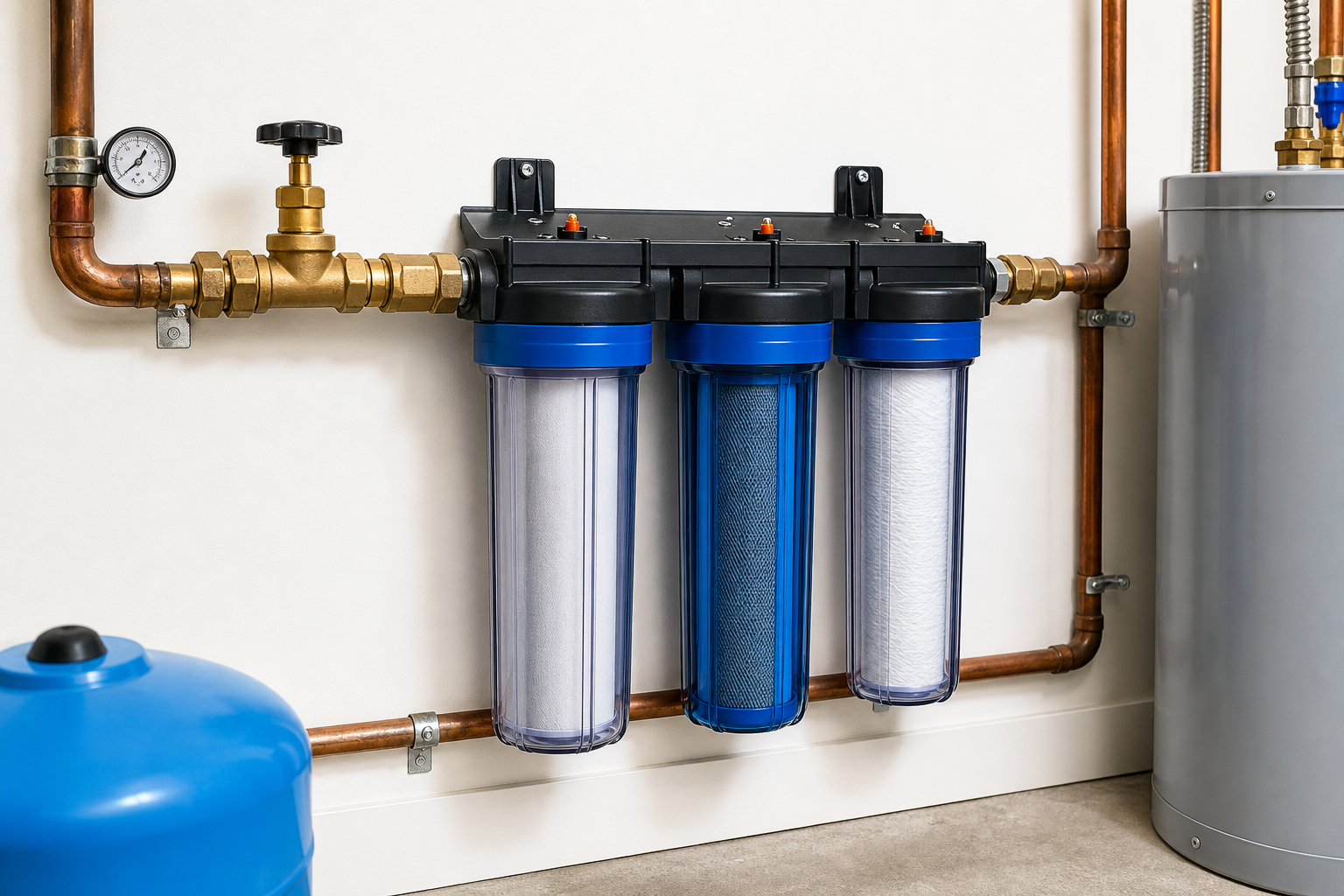
A whole house water filtration system sits where water enters your home. It treats the water before it reaches any faucet, shower, or appliance. The system uses multiple filter stages , sediment, carbon, and sometimes a specialty media , to catch particles, chlorine, and other contaminants.
Because the water is cleaned at the point of entry, every pipe and fixture gets the same pure water. That means you won’t need separate filters under each sink.
Key Takeaway:The system works like a gatekeeper, stopping dirt and chemicals before they ever touch your plumbing.
How It Works
The first stage catches sand, rust, and larger particles. This protects the later filters and keeps pressure steady.
The second stage uses activated carbon. Carbon pulls out chlorine, bad tastes, and many organic chemicals. It also helps reduce odors.
Some systems add a third stage with a specialty media such as KDF or a scale‑conditioning resin. That stage can lower lead, mercury, and even curb hard‑water buildup.
After the water passes through the filters, it moves on to the rest of the house. The flow rate stays high enough for multiple showers or appliances to run at once.
Primewest Plumbing designs each system to match the home’s size and water‑use patterns. The technicians test the water after install to confirm the flow and purity levels.
Properly maintained whole‑house filters can remove a high percentage of common contaminants, extending the life of appliances and protecting health.
Where It’s Used and Who Benefits
Homeowners in Orange County often face hard water and chlorine taste. A whole house system solves both problems for every room.
Families with young children or seniors gain extra protection from microbes and chemicals. Cleaner water means softer skin and less irritation after a shower.
Rental property managers see fewer complaints about water quality. The system also reduces the need for frequent pipe repairs, which saves money over time.
Businesses that rely on clean water , such as restaurants, salons, and small clinics , benefit from longer‑lasting equipment and consistent product quality.
Primewest Plumbing can bundle a filtration install with other upgrades, like a water‑heater replacement, to keep disruption to a minimum.
Potential Pitfalls and How to Avoid Them
Not every system fits every house. An undersized filter can cause low pressure, especially during peak use.
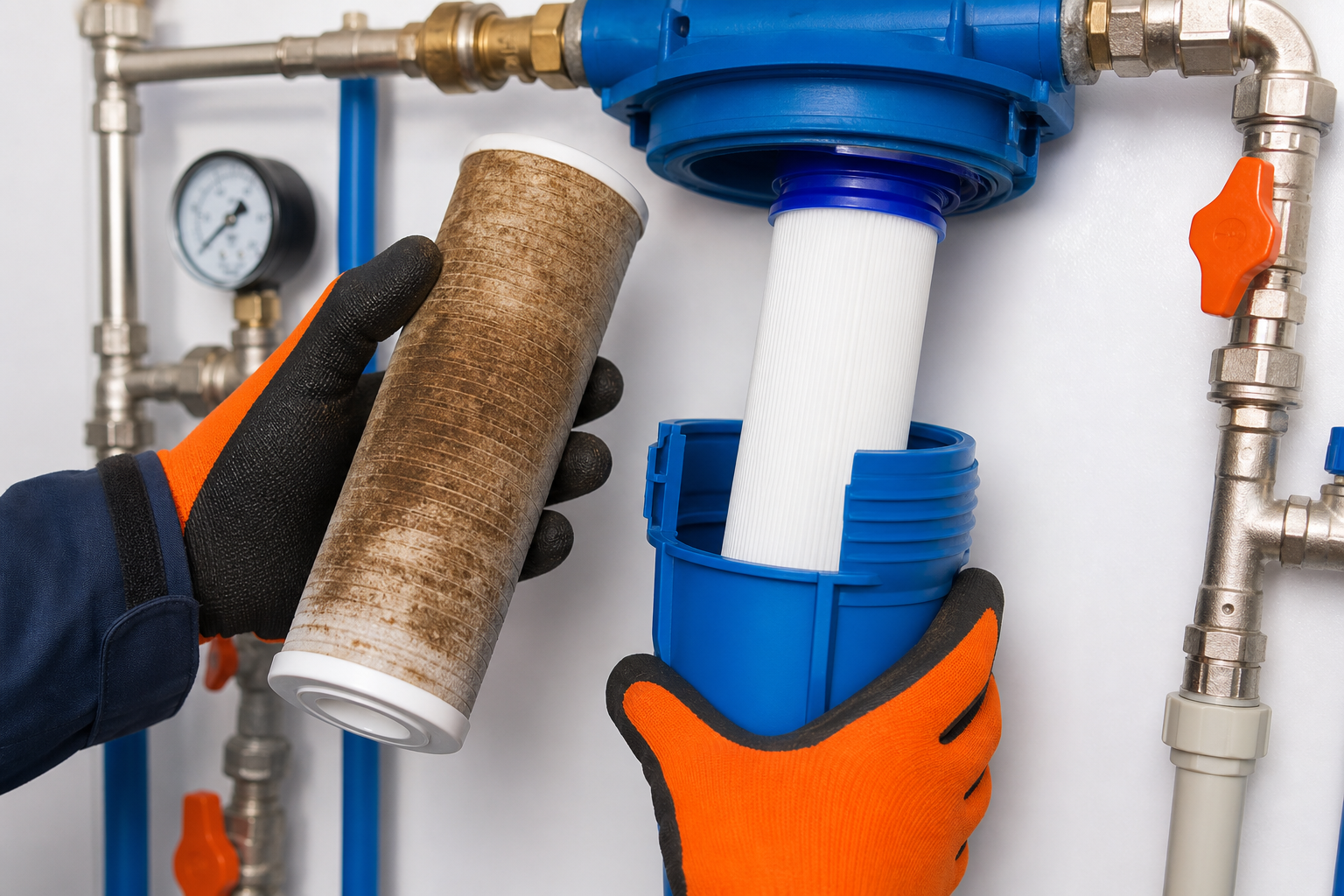
Skipping regular filter changes lets contaminants build up again. Most manufacturers recommend changing the carbon stage every 6‑12 months and the sediment stage every 12‑24 months.
Some cheap units claim to remove lead but lack independent certification. Look for a recognized certification mark to be sure the filter meets safety standards.
Installation must follow local plumbing codes. A DIY install that ignores permits can void warranties and cause leaks.
Pro Tip:Schedule a yearly inspection with Primewest Plumbing. The team will check pressure, replace cartridges, and verify that the system still meets your water‑quality goals.
When you pair a whole‑house filter with a water softener, you get the best of both worlds , contaminant removal and scale control. This combo is common in homes with mineral‑rich water.
FAQ
Do I really need a whole house filter if I have a water softener?
Yes. A softener only swaps calcium and magnesium ions; it does not remove chlorine, lead, or microbes. A filter adds those protections.
How often should I replace the filters?
Typically the sediment filter lasts 12‑24 months, while the carbon filter needs replacement every 6‑12 months. Check the manufacturer’s schedule for exact timing.
Will a whole house system lower my water bill?
It can. By reducing scale buildup, your water heater and dishwasher run more efficiently, which saves energy. You also spend less on bottled water.
Is the system safe for drinking water?
Yes. Filters that are certified for drinking‑water safety remove harmful chemicals and improve taste.
Can I install the system myself?
You could, but local plumbing codes often require a licensed plumber. Primewest Plumbing ensures a code‑compliant install and offers a warranty on parts and labor.
Does the system remove bacteria?
Some models add a UV stage that kills bacteria and viruses. If you need that level of protection, choose a system with a certified UV module.
For a deeper dive on choosing the right filter media, see Water Filtration & Purification .
If you want to compare costs for different setups, read Best Whole House Water Filter Installation Cost Options .
Looking for a reliable installer in Orange County? Primewest Plumbing offers a written warranty and fast, single‑day service. Learn more at Best Water Filtration System Installation in Orange County .
Conclusion
Whole house water filtration brings cleaner water, healthier skin, and longer‑lasting appliances. Contact Primewest Plumbing to schedule a home assessment and start protecting your water today.


Comments