


Top Benefits of Trenchless Pipe Repair vs Traditional

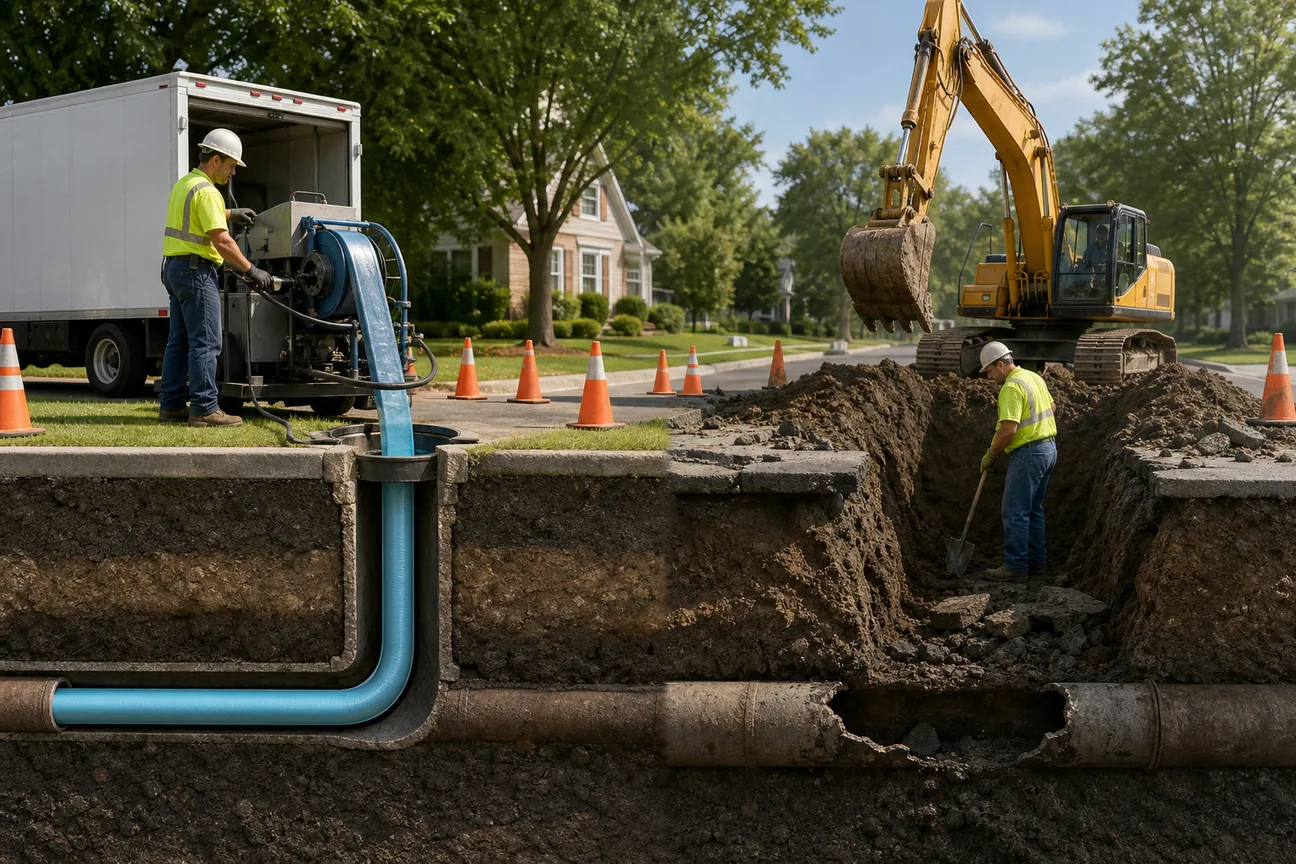
Seeing a yard turned into a construction zone after a sewer fix? You don’t have to. Below are the top options for fixing underground pipes, and which one fits your home or business best.
1. Primewest Plumbing (Our Top Pick) , Full‑service trenchless repair in OC
Primewest Plumbing offers complete trenchless pipe repair for homeowners and property managers across Orange County. Their crew can locate the problem with a camera, clean the pipe, and install a new liner or pipe through two small access holes. Trenchless Pipe Replacement lets you keep lawns, driveways and patios intact, which saves you weeks of landscaping work. The company uses certified equipment that meets California plumbing codes, so you get a solution that lasts for decades. Trenchless technology also reduces site traffic and noise, a big plus for residential neighborhoods.Pro Tip:Ask for a video walkthrough of the camera inspection; it shows exactly where the damage lies and why a trenchless fix works.
2. Traditional Trenching Repair , Conventional digging methods
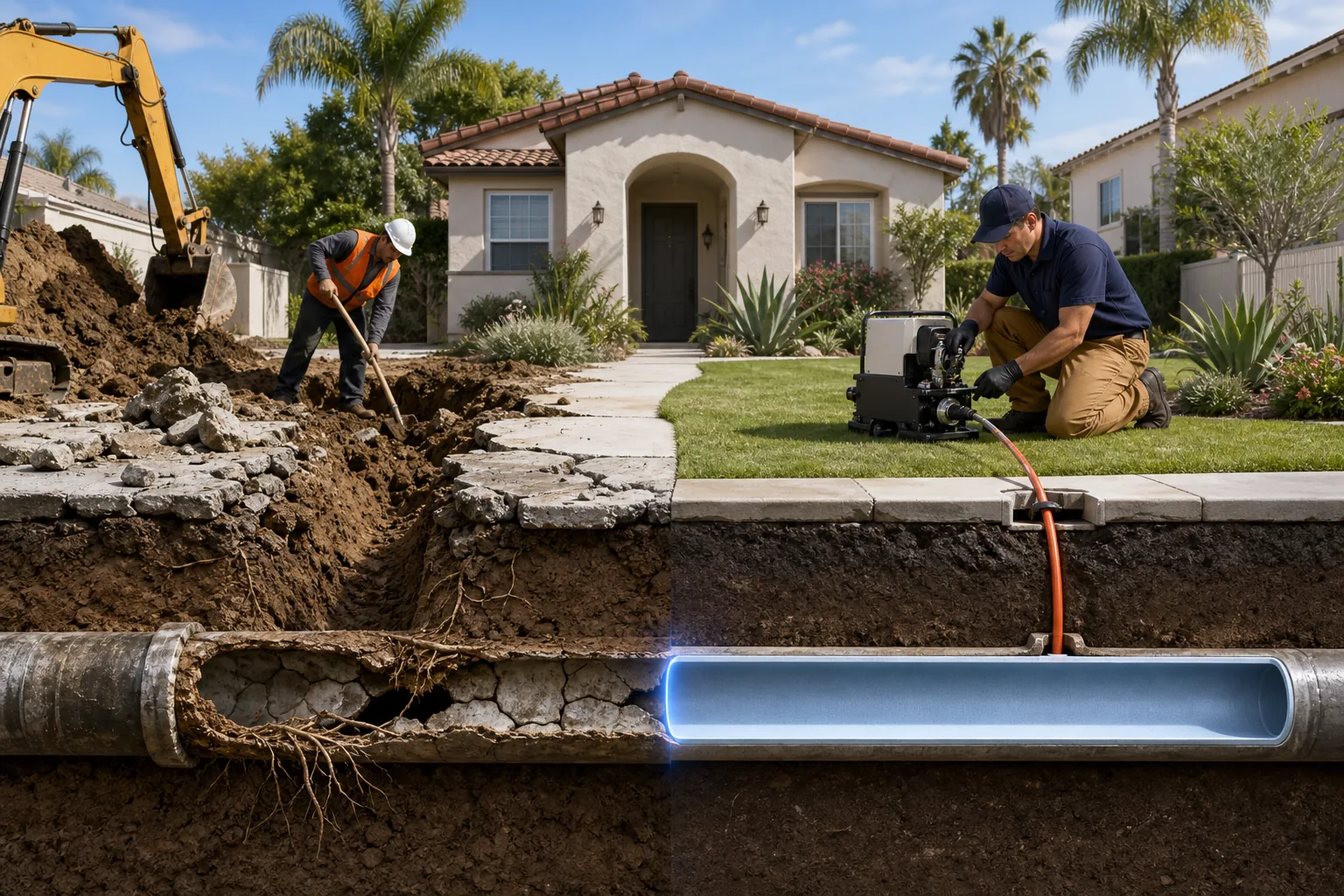
Traditional repair digs a full‑width trench from the house to the street. It exposes the entire pipe, which makes it easy to replace any material, but it also tears up landscaping, sidewalks and driveways. Restoring the surface can cost thousands, especially if mature trees or hard‑scaped patios are involved. The process often takes several days, meaning you’re without a functional sewer line for longer. Trench excavation also requires heavy equipment that adds fuel emissions and noise to the neighborhood.
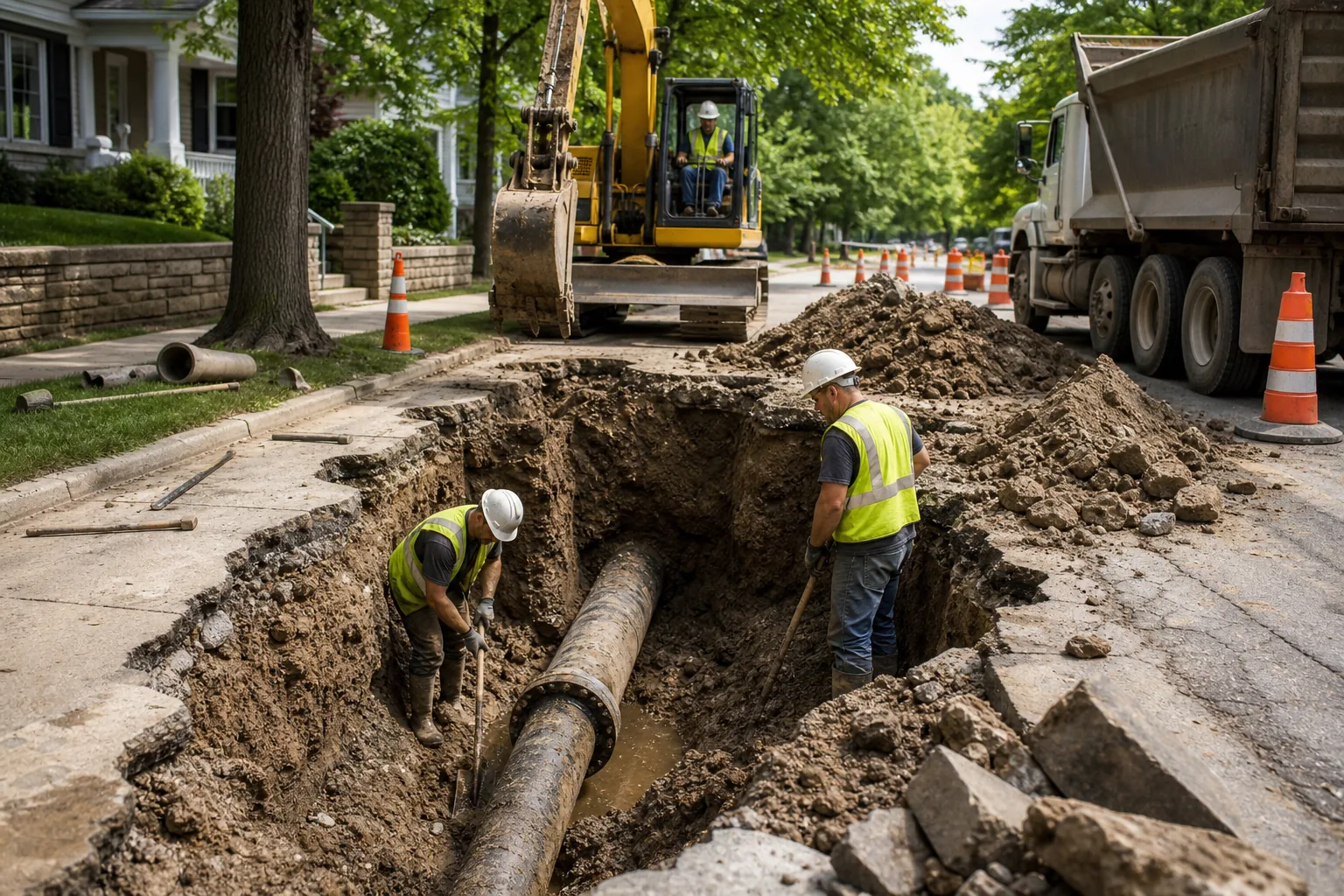
Because the whole pipe is exposed, contractors can directly inspect joints and replace sections that are badly corroded. However, the disruption makes this method less appealing for homes with limited yard space or historic properties that need to preserve original landscaping.
3. Pipe Lining (Cured‑in‑Place) , Smooth pipe restoration
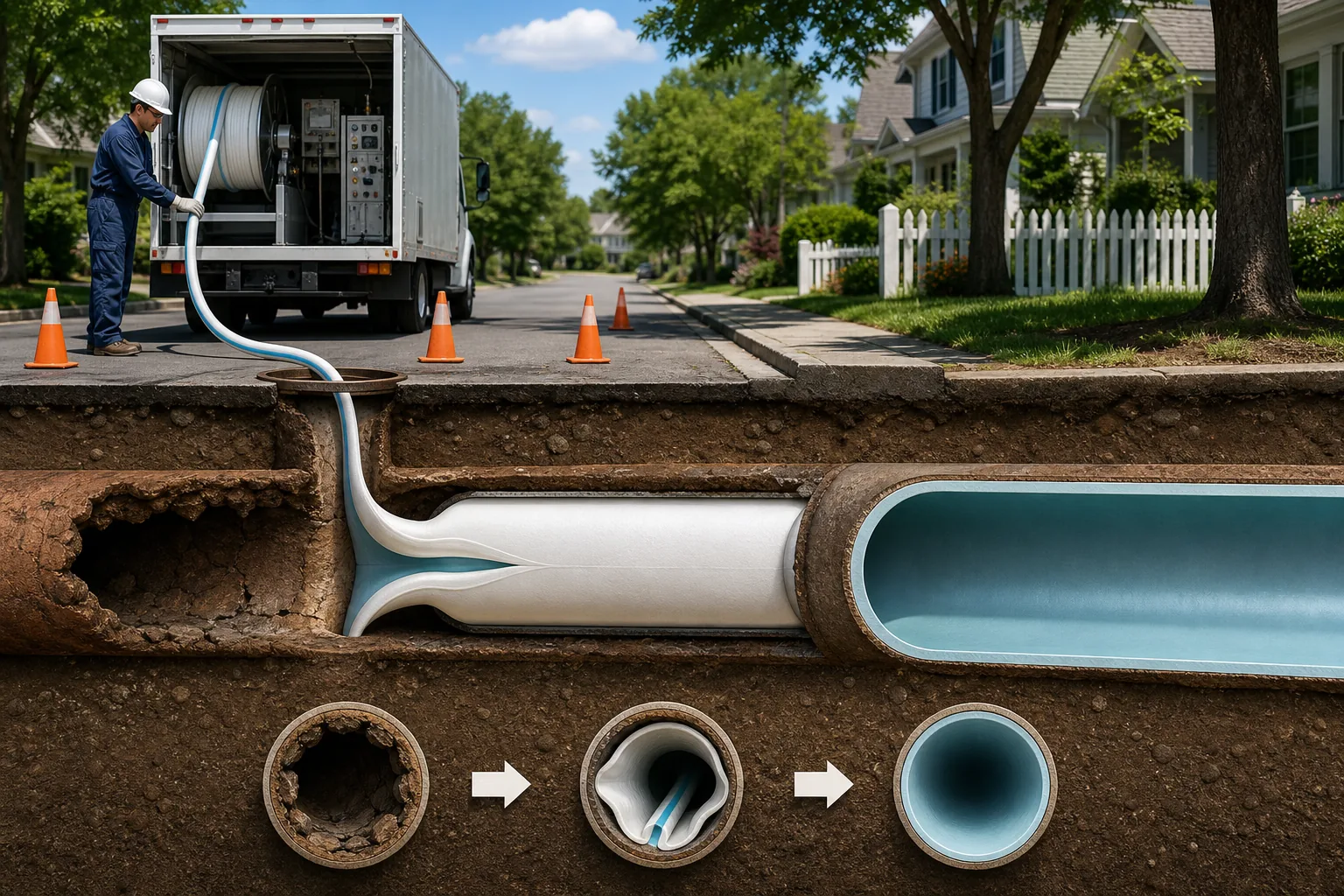
CIPP lining inserts an epoxy‑soaked liner into the existing pipe and cures it with heat or UV light. The result is a brand‑new pipe inside the old one, sealing cracks and preventing root intrusion. Installation usually finishes in a single day, and the yard needs only two small pits. This method works well when the host pipe is structurally sound but has localized damage.
The process also eliminates the need for back‑filling large trenches, which cuts both time and cost.
4. Pipe Bursting , Replacing pipe by breaking the old one
Pipe bursting pulls a new pipe through the old pipe while a bursting head shatters the deteriorated material. The new pipe can be the same size or larger, which helps when a line is undersized for modern flow rates. This technique works on cast‑iron, clay and even some older Orangeburg pipes that have collapsed.
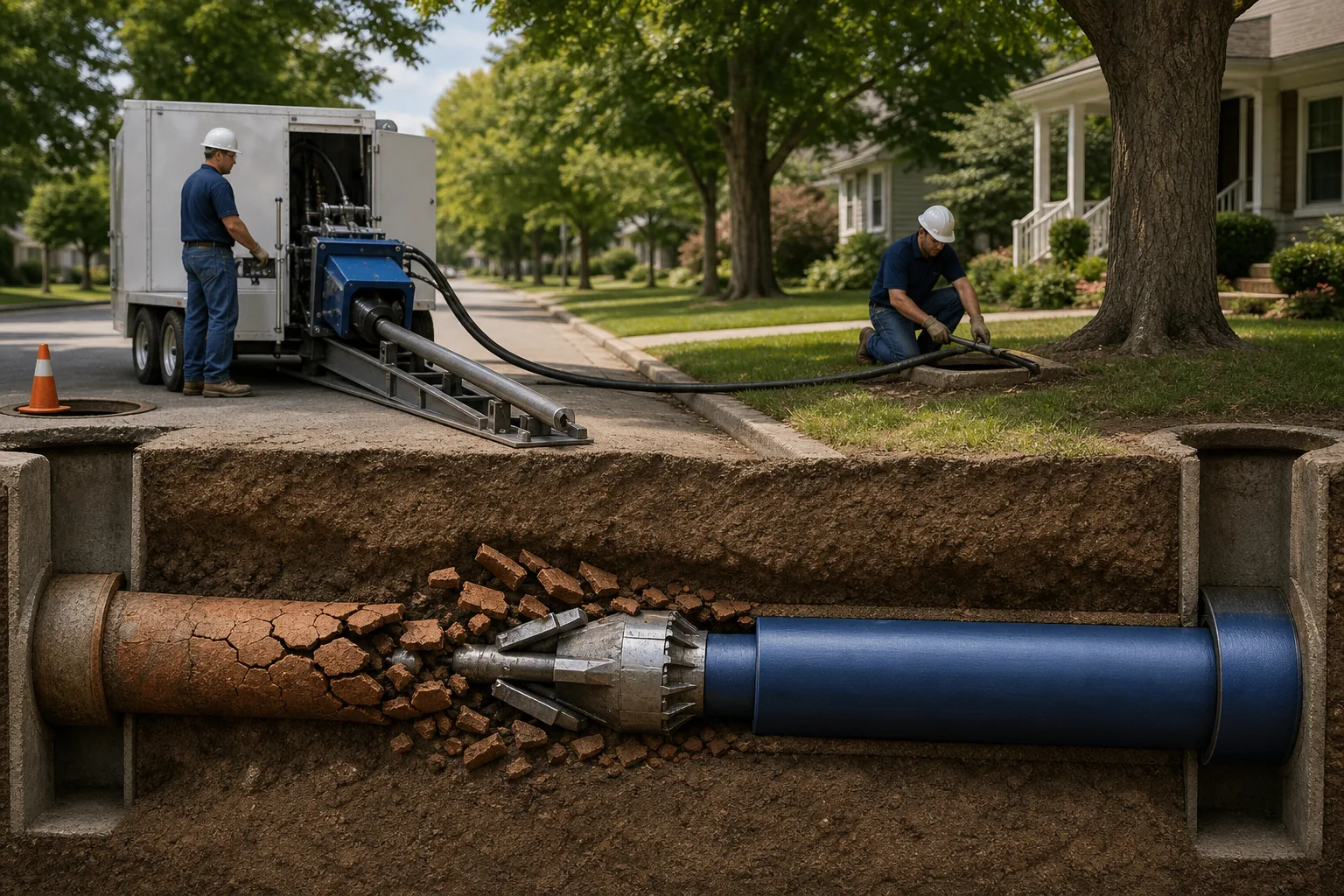
The method requires two access pits, but the surface disturbance stays under a foot wide. Pipe bursting often finishes within a day, and the new pipe is a smooth, joint‑free segment that resists future root intrusion.
5. Pipe Coating (Slip Lining) , Protective inner coating solution
Slip lining slides a slightly smaller HDPE pipe inside the existing pipe and then grouts the annular space. It’s the oldest trenchless method and works best when the host pipe is straight with minimal bends. The new pipe inherits the host’s alignment, so no re‑grading is needed.
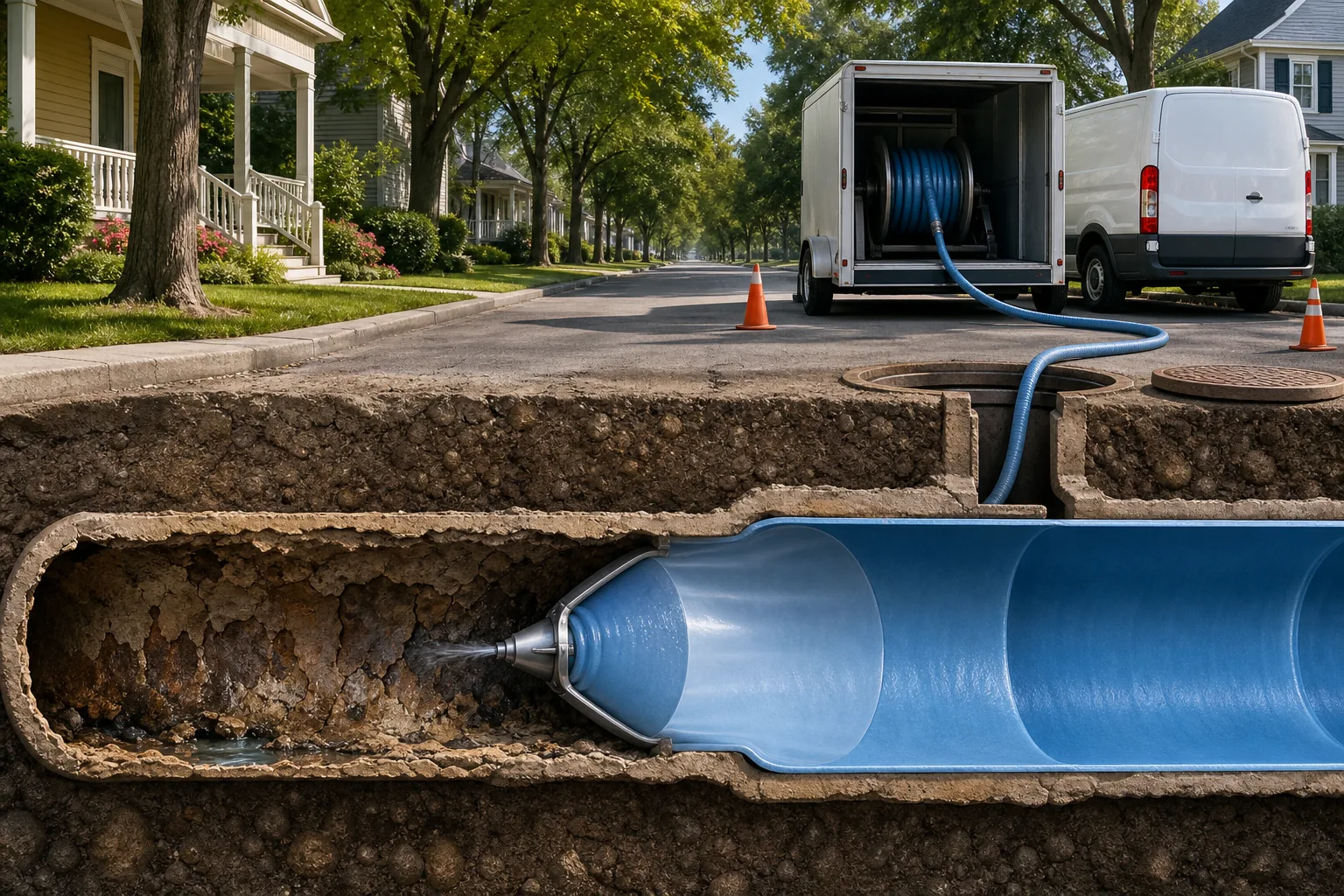
The technique reduces the pipe’s diameter, which can lower flow capacity, but the smoother interior often offsets that loss. Slip lining can extend service life significantly and eliminates corrosion.
6. Hybrid Trenchless Approach , Combining lining and bursting techniques
Some projects need both restoration and replacement. A hybrid plan might line a section that’s still sound while bursting a collapsed segment. This lets you keep the pipe’s original route where possible and still upgrade problem areas.
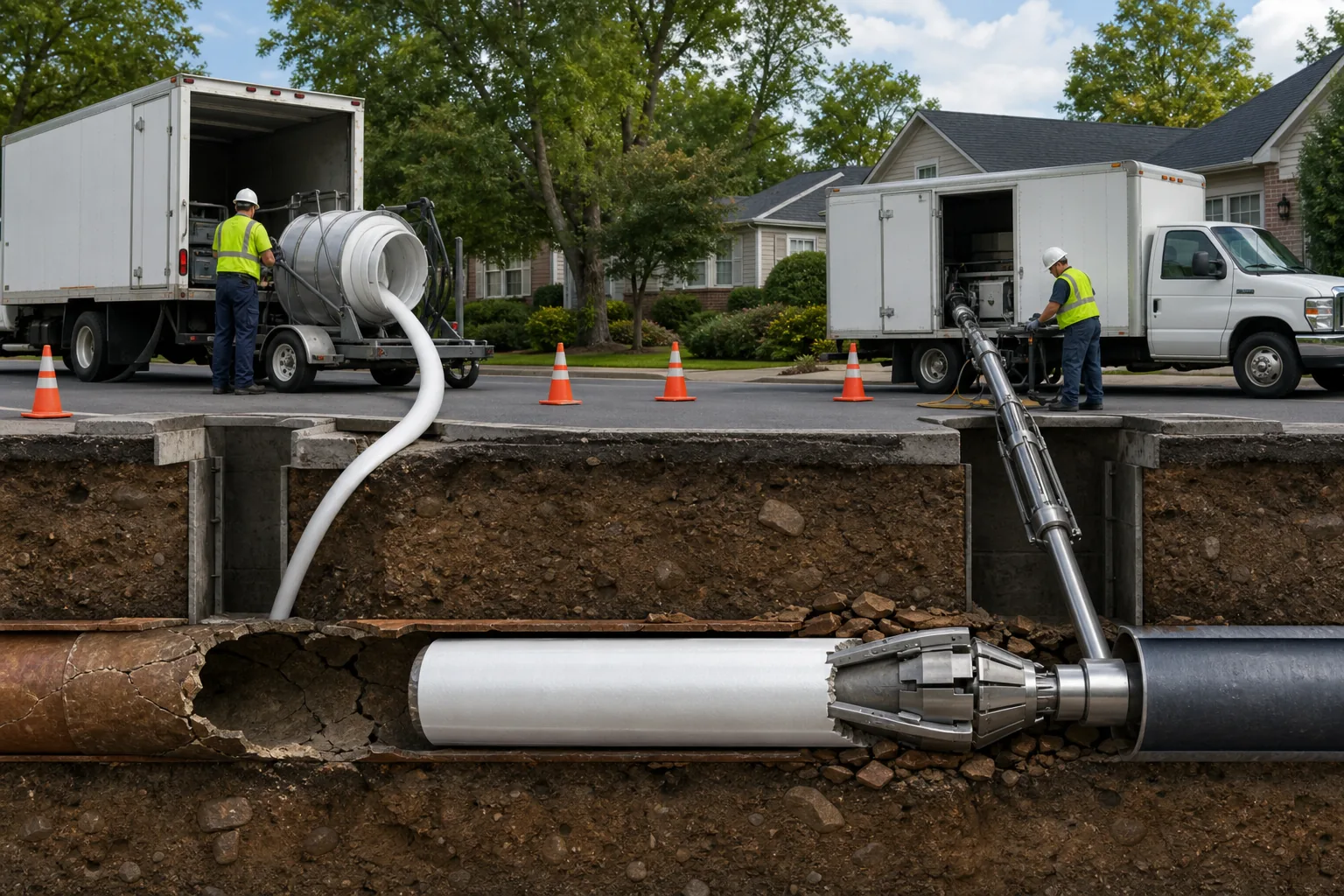
NuFlow describes this strategy and cites real‑world case studies where hybrid repairs saved owners up to 40 % of excavation costs. NuFlow’s hybrid repair guide
7. Trenchless Repair Options for Homeowners
Homeowners can consider small‑scale trenchless repair methods that address minor cracks or localized leaks without extensive excavation. These approaches typically involve applying a sealant or liner that cures quickly, providing a durable patch for low‑risk issues.
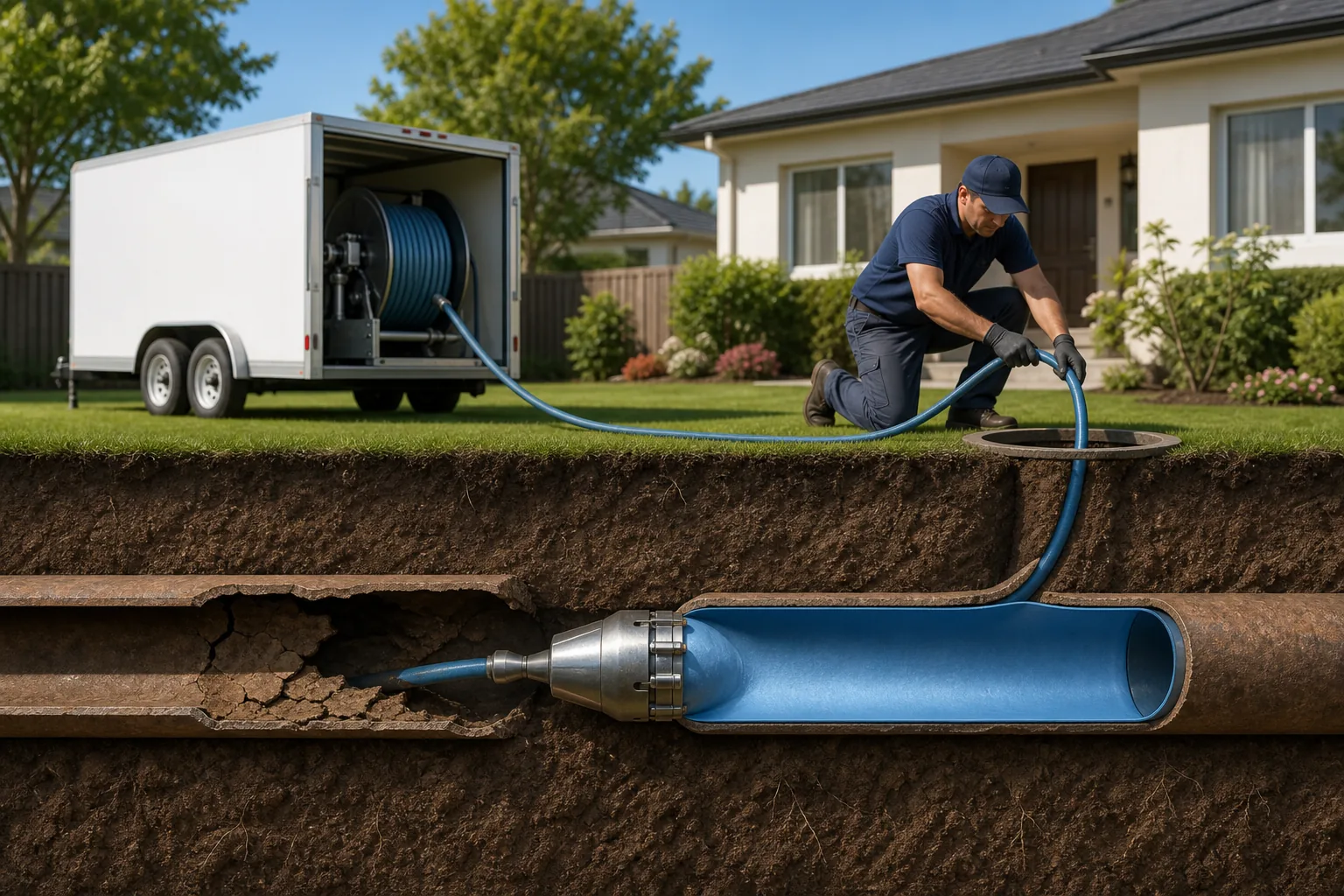
While such methods can stop water infiltration, they are not suitable for severely collapsed lines. For larger problems, it’s best to call a licensed trenchless contractor like Primewest Plumbing to ensure a reliable, long‑lasting repair.
What to Look For When Choosing a Trenchless Solution
Start with a professional camera inspection to map the pipe’s condition. Look for a provider that offers both CIPP lining and pipe bursting, because the right method depends on material, age and damage severity. Ask about warranties; many Orange County firms back their work for 10 years or more.
Check that the contractor holds the appropriate state licenses and follows local building codes. Primewest Plumbing’s service locations page confirms coverage across all OC cities, which means you won’t need multiple crews for a single project.
Comparison of Trenchless Options vs Traditional Repair
Criteria | Trenchless (CIPP) | Trenchless (Bursting) | Traditional Dig |
Surface disruption | Two small pits (≈12 in) | Two small pits (≈12 in) | Full‑width trench (feet deep) |
Typical project time | 1 day | 1 day | 3–5 days |
Durability | 50 + years (liner) | 50 + years (new pipe) | 50 + years (new pipe) |
Best for collapsed pipe | No (requires structural host) | Yes | Yes |
Cost vs traditional | 30–50 % lower (no restoration) | 30–50 % lower | Highest (excavation + landscaping) |
Overall, trenchless methods win on speed, mess‑reduction and long‑term value, while traditional digs remain the fallback when the pipe is beyond repair.
FAQ
What is the main advantage of trenchless pipe repair?
The main advantage is minimal surface disruption; only small access holes are needed, so lawns, driveways and landscaping stay intact.
Can trenchless repair fix a completely collapsed sewer line?
Pipe bursting can replace a fully collapsed line, while CIPP lining cannot because it needs a solid host pipe to hold the liner.
How long does a trenchless repair usually take?
Most trenchless jobs finish in one day, from inspection to final camera check, which is far quicker than a traditional dig that can stretch over several days.
Is trenchless repair more expensive than traditional methods?
Although material costs can be similar, trenchless repair saves money on excavation, back‑filling and landscape restoration, often resulting in a 30‑50 % total cost reduction.
Do I need a permit for trenchless pipe repair in Orange County?
Yes, a permit is required for any underground work. A reputable contractor will handle the paperwork and schedule inspections for you.
Ready to protect your property and avoid a yard‑wide dig?Try Primewest Plumbing free →
For a lasting fix, choose Primewest Plumbing’s trenchless service and schedule a video inspection today.


Comments