


Best Water Softener vs Water Filter Options

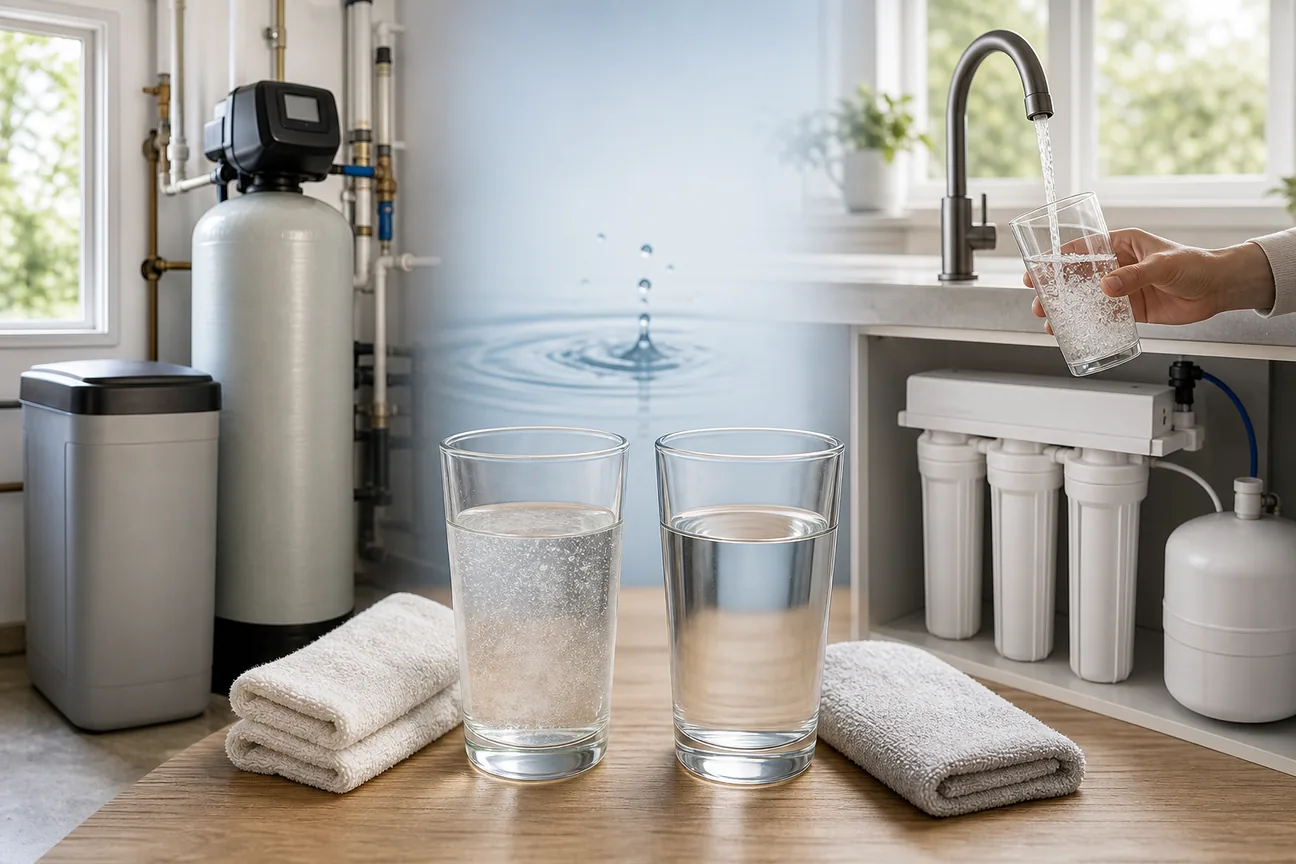
Hard water stains your dishes, clogs your pipes, and makes soap hard to lather. Bad tasting or unsafe water can ruin meals and hurt health. Below are the top picks that solve those problems, and a quick way to pick the right one for your home.
Table of Contents
Primewest Plumbing — Local water-quality assessment and installation support
Salt-Based Ion Exchange Softener — Whole‑home hard‑water control
Potassium-Based Water Softener — A lower‑sodium softening option
Whole-Home Filtration System — Better taste and broader contaminant reduction
Reverse Osmosis System (R.O.) — Point‑of‑use drinking‑water purification
1. Primewest Plumbing — Local water-quality assessment and installation support
Primewest Plumbing is a full‑service plumbing company that lives in Orange County. They test your water, tell you what’s wrong, and install the right treatment. Homeowners who want a hands‑off solution love that the crew handles permits, sizing, and clean‑up.
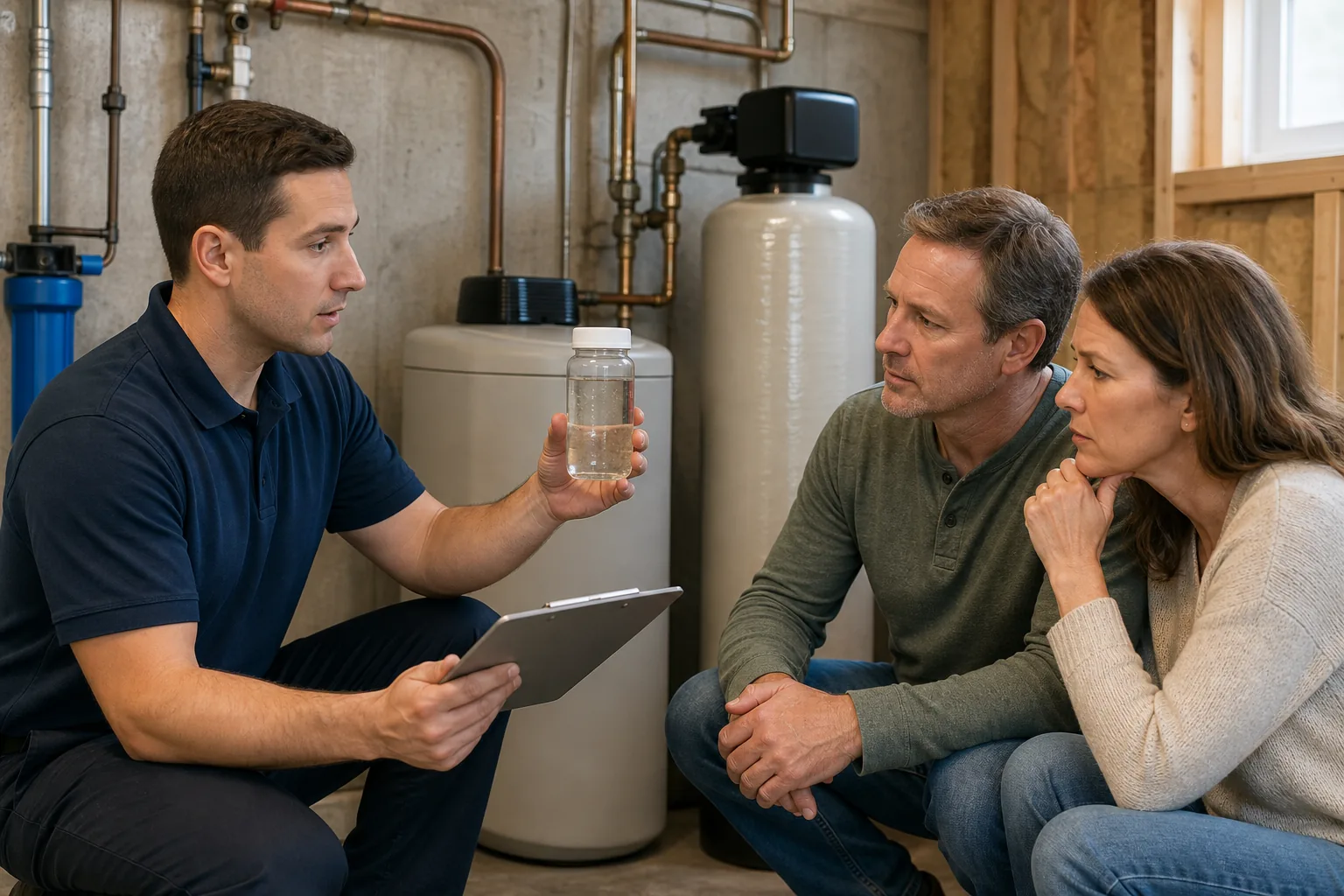
The team can discuss local limits on brine discharge, so they can suggest a salt‑free option when needed. They also offer a maintenance plan that includes yearly checks and filter swaps, keeping your system running smooth.
Because they work with both softeners and filters, you get a single point of contact for any upgrade. Their price quotes are clear and they never push unnecessary add‑ons.
One caveat: Primewest focuses on residential and small‑commercial jobs, so large industrial projects may need a specialist.
Key Takeaway:Primewest Plumbing blends testing, installation, and service so you only deal with one trusted local partner.
2. Salt-Based Ion Exchange Softener — Whole‑home hard‑water control
A salt‑based ion exchange softener swaps calcium and magnesium for sodium ions. The resin beads hold a charge that pulls the hard minerals out of the flow.
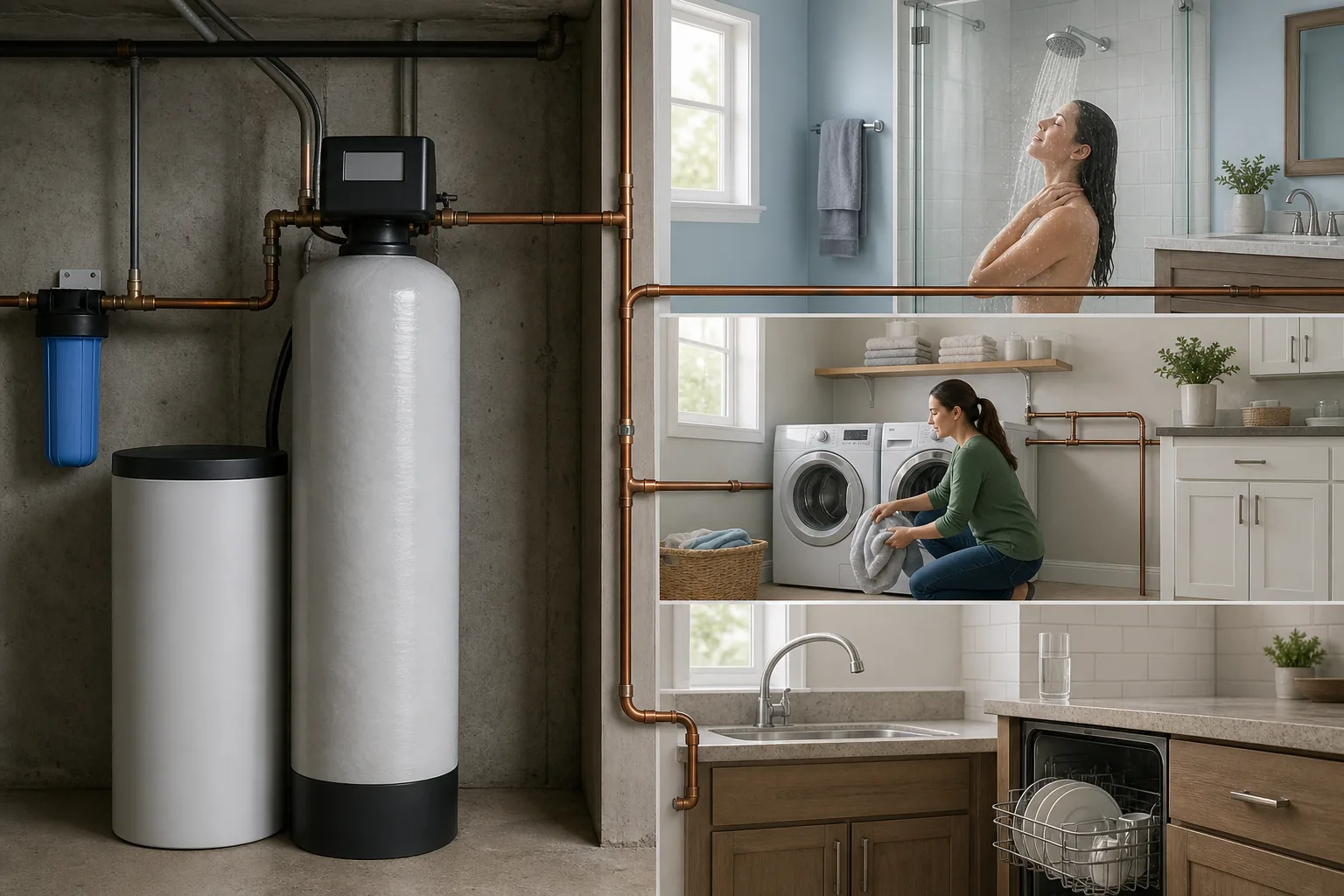
It protects appliances, reduces energy use on water heaters, and lets soap lather easily. The system regenerates automatically every few days, flushing the captured minerals with a brine solution.
In Orange County, many homes have hardness above 180 mg/L.
Maintenance means buying salt and checking the brine tank about once a year. The tank holds enough for several regeneration cycles, so you won’t run to the store often.
Primewest Plumbing can size the unit for your peak flow and install it behind the main shut‑off valve, keeping the whole house protected. For help comparing capacity, regeneration, and installation needs, see this guide on how to choose a water softener for your home .
Pro Tip:Choose a model with demand‑initiated regeneration to save salt and water when usage is low.
3. Potassium-Based Water Softener — A lower‑sodium softening option
Instead of regular salt, this system uses potassium chloride. The chemistry is the same, calcium and magnesium are swapped, but the released potassium adds far less sodium to your water.
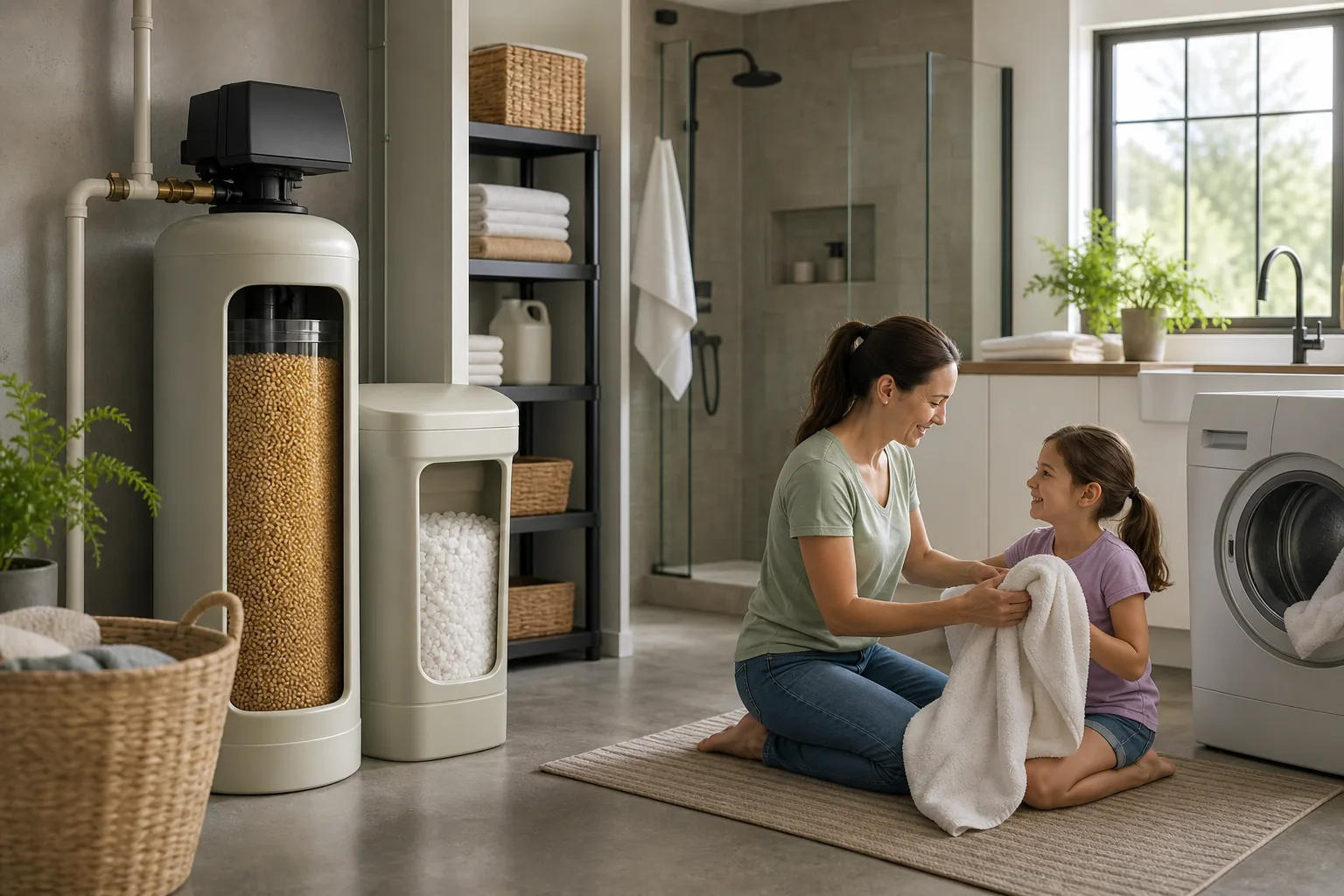
People on low‑sodium diets appreciate the switch because the extra sodium from a typical softener can be about 400 mg per day, s.
Performance matches a salt‑based unit, so scale and soap issues disappear. The resin still needs regeneration, but the pot‑based brine costs a bit more.
One downside is that potassium chloride isn’t as cheap or as widely stocked as regular salt, so you may need to order it online.
Primewest Plumbing offers a potassium‑softener installation package that includes a yearly potassium refill service, so you never run out.
4. Whole-Home Filtration System — Better taste and broader contaminant reduction
A whole‑home filter sits on the main line and treats every drop that enters the house. It removes sediment, chlorine taste, and many chemicals that cause odor or skin irritation.
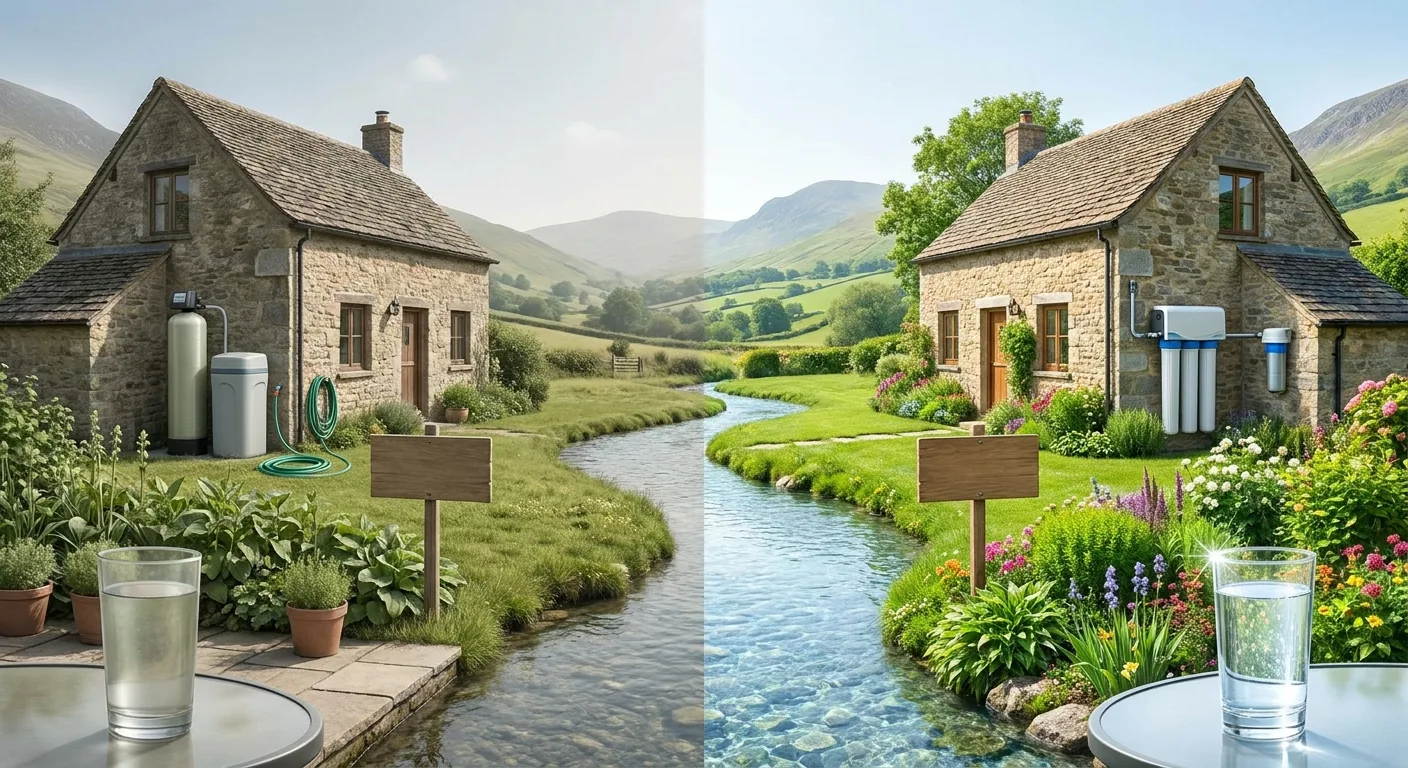
Systems from brands like Aquasana use multiple media layers: a pre‑filter for large particles, an activated‑carbon block for chemicals, and optional UV for microbes.
These units improve water taste at the kitchen tap, protect appliances from chlorine‑induced wear, and can reduce skin dryness caused by harsh chemicals.
Maintenance is filter replacement every 12‑24 months, depending on flow rate. The cost is lower than a full‑house softener, but it does not address hardness.
Primewest Plumbing’s certified installers can match the right flow capacity to your home size and set up a bypass valve for easy service. Learn more about water filtration and purification services in Orange County before choosing a whole-home system.
5. Reverse Osmosis System (R.O.) — Point‑of‑use drinking‑water purification
RO pushes water through a semi‑permeable membrane, reducing dissolved solids, lead, arsenic, and many bacteria.
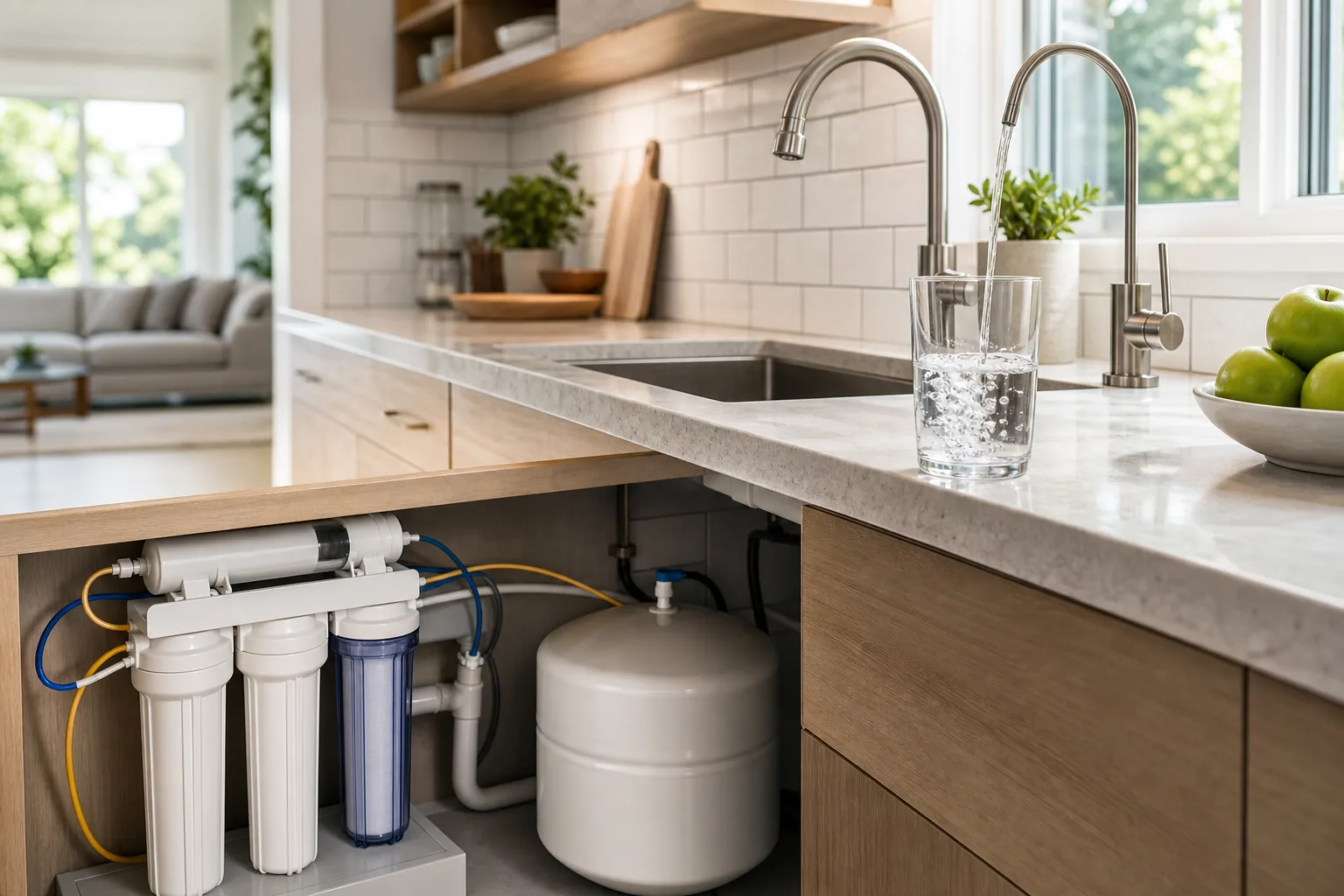
The system usually sits under a kitchen sink and feeds a dedicated drinking tap. Pre‑filters catch sediment and chlorine, extending membrane life.
Maintenance means swapping the pre‑filters every 6‑12 months and the membrane every 2‑4 years. Replacement parts are widely available.
RO water tastes crisp and is safe for cooking, but it also strips beneficial minerals, so many users add a remineralization filter.
For a quick view of how hardness levels compare, ’s hardness chart here .
Primewest Plumbing can install an under‑sink RO unit, run the necessary plumbing, and set up a maintenance schedule.
FAQ
What’s the main difference between a water softener and a water filter?
A water softener removes calcium and magnesium to stop scale, while a water filter removes chemicals, metals, and microbes that affect taste and safety.
Do I need both a softener and a filter?
Many Orange County homes benefit from a softener for hardness and a filter for chlorine or PFAS; using both covers the full range of problems.
How often should I replace the salt in a softener?
Check the brine level monthly; most homes add salt every 1‑2 months, depending on water use.
Can a whole‑home filter handle hard water?
No, a filter cleans chemicals but does not remove the minerals that cause scale. Pair it with a softener if hardness is high.
Is reverse osmosis safe for everyday drinking?
Yes, RO removes harmful contaminants, but because it also strips minerals, some users add a remineralization stage for taste.
How do I know if my water is hard?
Test kits are sold at home‑improvement stores, or you can ask Primewest Plumbing to perform a professional test.
Ready to fix your water? Call Primewest Plumbing for a free water‑quality test and a custom treatment plan that fits your home and budget.


Comments