


Best Whole House Water Filtration System Options

Updated: Aug 24
Orange County tap water often carries chlorine, chloramine, and hidden metals that can wear out appliances and affect taste. Below are the steps you need to pick a whole‑house system that actually cleans the water you use every day.
Table of Contents
1. Primewest Plumbing
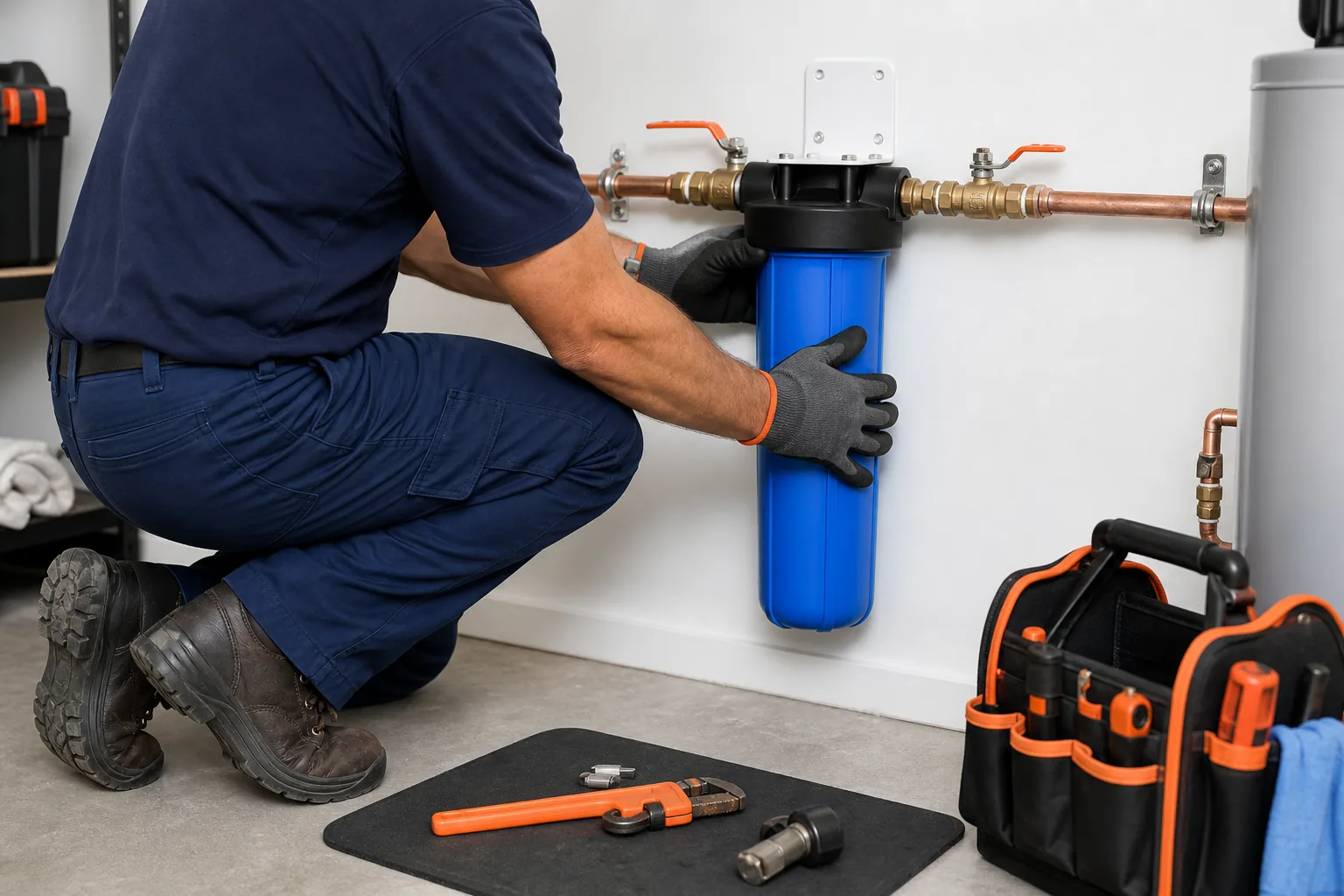
Primewest Plumbing installs and services whole‑house filtration units for homes across Orange County. The team evaluates your water report, matches a system to local water quality, and handles all the plumbing work. Because they work locally, they know the common contaminants in Dana Point, Laguna Niguel, and Mission Viejo.
When you choose Primewest, you get a licensed plumber who follows the proper sizing formulas and guarantees the installation meets code. They also keep a stock of replacement cartridges so you never run out.
Primewest’s approach saves you from the guesswork of DIY sizing and protects your fixtures from premature wear. Best water filtration system installation in Orange County is a good example of how they pair local water data with the right hardware.
Bottom line: Primewest gives you a local, hands‑on partner who handles the whole process from test to tune‑up.
Step 2: Match the Filtration Technology to the Contaminants
The first decision is what kind of media will pull the pollutants out of your water. Sediment screens catch sand and rust. Activated carbon adsorbs chlorine, chloramine, and many organic chemicals. KDF media swaps out lead and heavy metals. Air‑injection oxidation targets iron and manganese.
For most Orange County homes, a multi‑stage carbon‑KDF combo handles the bulk of the problem. If your water test shows iron or manganese, add an oxidation stage like SoftPro IronMaster’s air‑injection unit. Top benefits of a whole house water filtration system
When PFAS (the “forever chemicals”) appear on the report, look for systems that list NSF/ANSI 401 or P473 certification. Aquasana Rhino and SpringWell CF both meet those standards and keep PFAS removal efficiency high.
Knowing the exact contaminants lets you avoid over‑paying for features you don’t need, and it keeps flow rates from dropping needlessly.
Takeaway: Align media type with the contaminant list on your water‑quality report.
Step 3: Compare Whole‑House Systems by Contaminant Coverage and Flow Rate
Now that you know the media you need, compare actual products. Below is a quick matrix that shows what each system filters and how fast it moves water. The flow rate matters because a high‑flow unit that only catches sediment won’t protect you from PFAS, while a low‑flow unit that removes many contaminants may struggle during a busy morning.
System | Key Contaminants Removed | Flow Rate (GPM) |
SpringWell CF | Chlorine, chloramine, heavy metals, VOCs, pesticides | 9 |
Aquasana Rhino | Chlorine, lead, PFAS, chloramine | 7 |
Pelican PC600 | Chlorine, chloramine, THMs, VOCs | 10 |
iSpring WGB32B | Chlorine, sediment, taste/odor | 15 |
Express Water Heavy Metal | Lead, arsenic, mercury, iron | 15 |
Notice the trend: the highest‑flow models (iSpring, Express Water) focus on basic taste and metal removal, while the mid‑range flow units (SpringWell, Aquasana) cover a broader contaminant list, including PFAS.
When you size a system, add a safety margin of at least 20 % above your peak‑demand calculation. A typical four‑bathroom home running two showers, a dishwasher, and a washing machine at the same time draws about 12 GPM.
Check the system’s flow and pressure specifications before installation to help maintain reliable performance.
Pro tip: Choose a system whose flow rating exceeds your calculated peak demand by a comfortable margin. That way you keep strong pressure even when several fixtures run together.
Step 4: Check Sizing, Plumbing Layout, Certifications, and Maintenance
With a shortlist in hand, verify that the unit fits your home’s plumbing. Measure the diameter of the main supply line and ensure the filter housing matches (typically 1‑inch or 1‑½‑inch). Confirm there’s enough clearance for future service.
Look for third‑party certifications. NSF/ANSI 42 covers aesthetic improvements like chlorine taste, while NSF/ANSI 53 covers health‑related contaminants such as lead. If you need proof of PFAS reduction, seek NSF/ANSI 401 or IAPMO P473.
Maintenance schedules vary. Carbon cartridges usually last 6, 12 months; KDF media can last 24 months or more. Some tank‑based systems, like the Pelican PC600, let you backwash the media and replace it only every five years.
Primewest will walk you through the service interval chart for the exact model you choose, so you never miss a change.
Certification meanings are worth a closer look. Each standard tests something different, and that difference matters for home water.
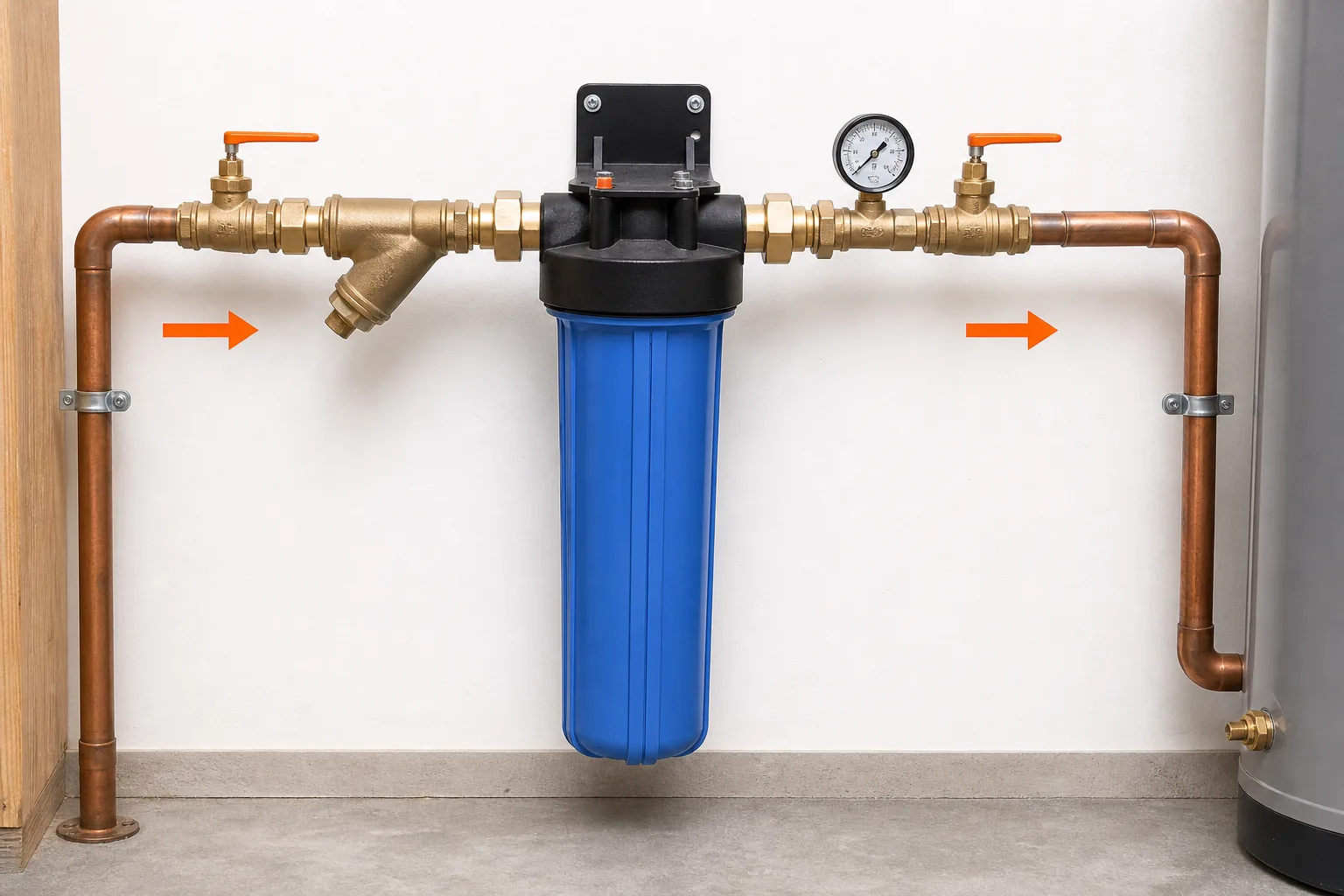
Bottom line: Match the unit’s size to your pipe, verify certifications, and set a clear filter‑change calendar.
Step 5: Have the System Installed, Commissioned, and Maintained Locally
Professional installation removes the biggest risk of leaks or pressure loss. Primewest’s licensed plumbers shut off the main valve, cut the pipe, fit the housing with proper thread seal tape, and test each joint for leaks.
After the unit is in place, they flush the system for several minutes to clear any loose media and verify flow rates. They also program the filter‑life monitor (if the model includes one) and show you how to read it.
Ongoing maintenance is simple: replace the cartridge on schedule, tighten any loose fittings yearly, and schedule a check‑up every 12, 18 months. Primewest offers a maintenance plan that includes a yearly visit, filter delivery, and a performance report.
Choosing a local service means you get quick response if a filter fails or a pipe leaks. It also means the plumber knows the specific water‑quality quirks of your neighborhood.
Learn more about water filtration & purification services that Primewest provides for both residential and commercial properties.
Takeaway: A professional install guarantees code compliance, optimal flow, and a maintenance routine you can stick to.
FAQ: Best Whole House Water Filtration System Questions
What does a whole‑house water filtration system actually filter?
It treats every drop that enters your home, removing sediment, chlorine, chloramine, heavy metals, PFAS, and other chemicals depending on the media used.
How do I know which contaminants are in my Orange County water?
Request a water‑quality test from your utility or a certified lab; the report will list the levels of chlorine, chloramine, hardness, iron, and any detected PFAS.
Will a whole‑house filter reduce water pressure?
Proper sizing can help minimize pressure loss; undersized filters may cause noticeable drops.
How often should I replace the filter cartridges?
Replacement intervals depend on media type and water use, carbon cartridges typically need changing every 6, 12 months, while KDF or oxidation media can last 24 months or more.
Do I need a separate water softener?
If your water hardness exceeds about 7 gpg, a softener or salt‑free conditioner helps prevent scale buildup that a filtration system alone won’t address.
Conclusion
Primewest Plumbing is the go‑to partner for a correctly sized, certified whole‑house filter that matches Orange County’s water profile. Call Primewest to schedule a water test, pick the right system, and lock in a professional install.


Comments