


Best Low Flow Showerhead Benefits: 5 Key Advantages


Want to cut water waste without feeling like you’re taking a weak shower? A low flow showerhead can shave thousands of gallons off your bill and still feel strong. Below are five top options and who they work best for.
Table of Contents
1. Primewest Plumbing
Primewest Plumbing offers a full-service upgrade that includes selecting, installing, and testing a certified low‑flow showerhead. It’s a good pick for homeowners in Dana Point, Laguna Niguel, or Mission Viejo who want a hassle‑free swap.
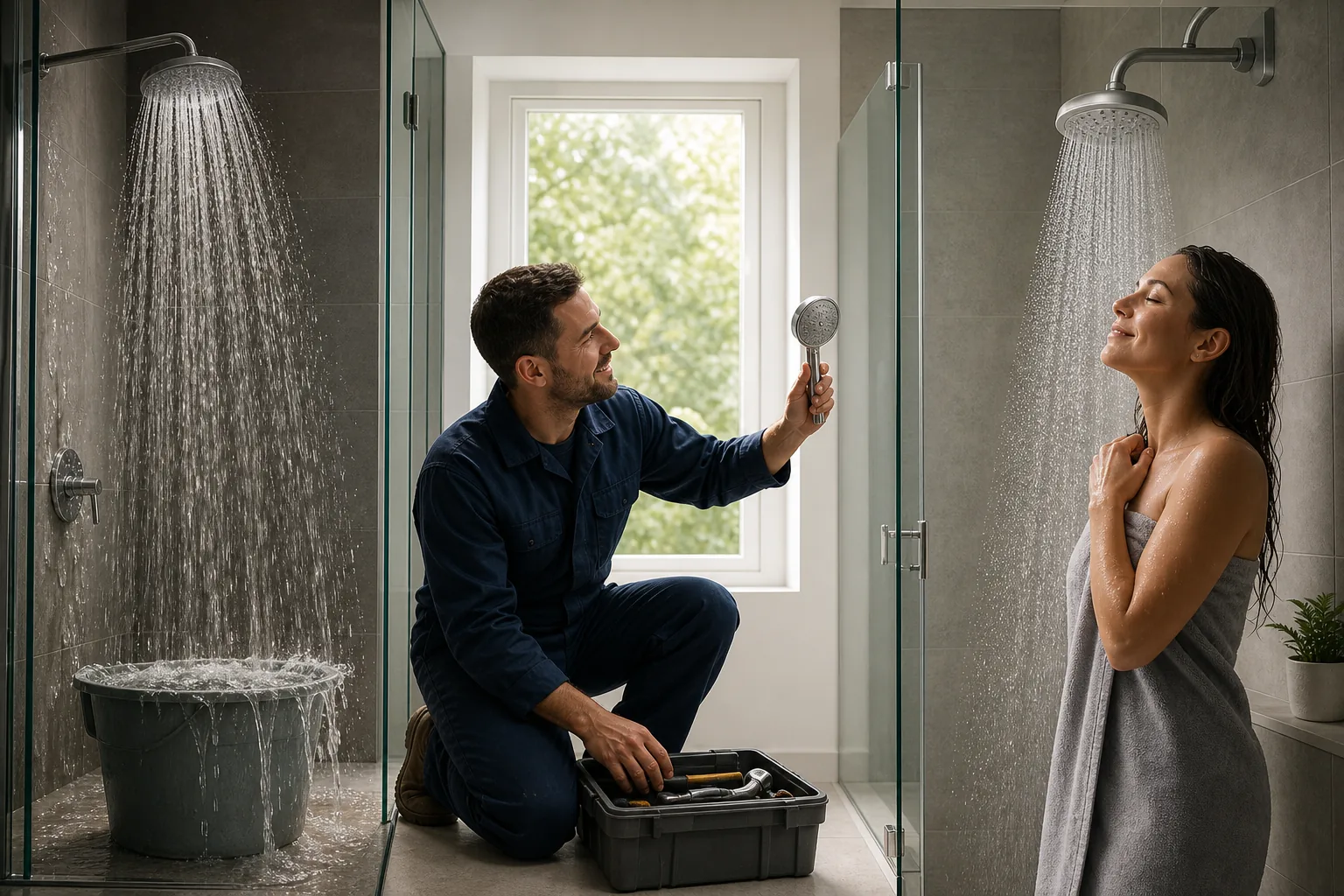
Primewest handles everything from checking pipe pressure to confirming WaterSense certification, so you avoid the DIY guesswork. Their team can verify that the new head meets the 2 GPM EPA limit and that your water heater sees a lower load, which translates to energy savings.
Because they work locally, they know the typical Orange County water pressure ranges (45‑80 psi) and can recommend a model that feels strong in your home. A common caveat is that older, corroded pipes may need minor prep work, which can add a small extra cost.
Bottom line: Choose Primewest Plumbing for a vetted, professional install that guarantees the promised savings.
2. Low‑Flow Showerheads — Lower usage without a weak‑feeling spray
Low-flow showerheads can reduce water use while maintaining a comfortable spray. They’re ideal for families who want a strong spray but have limited water budgets.
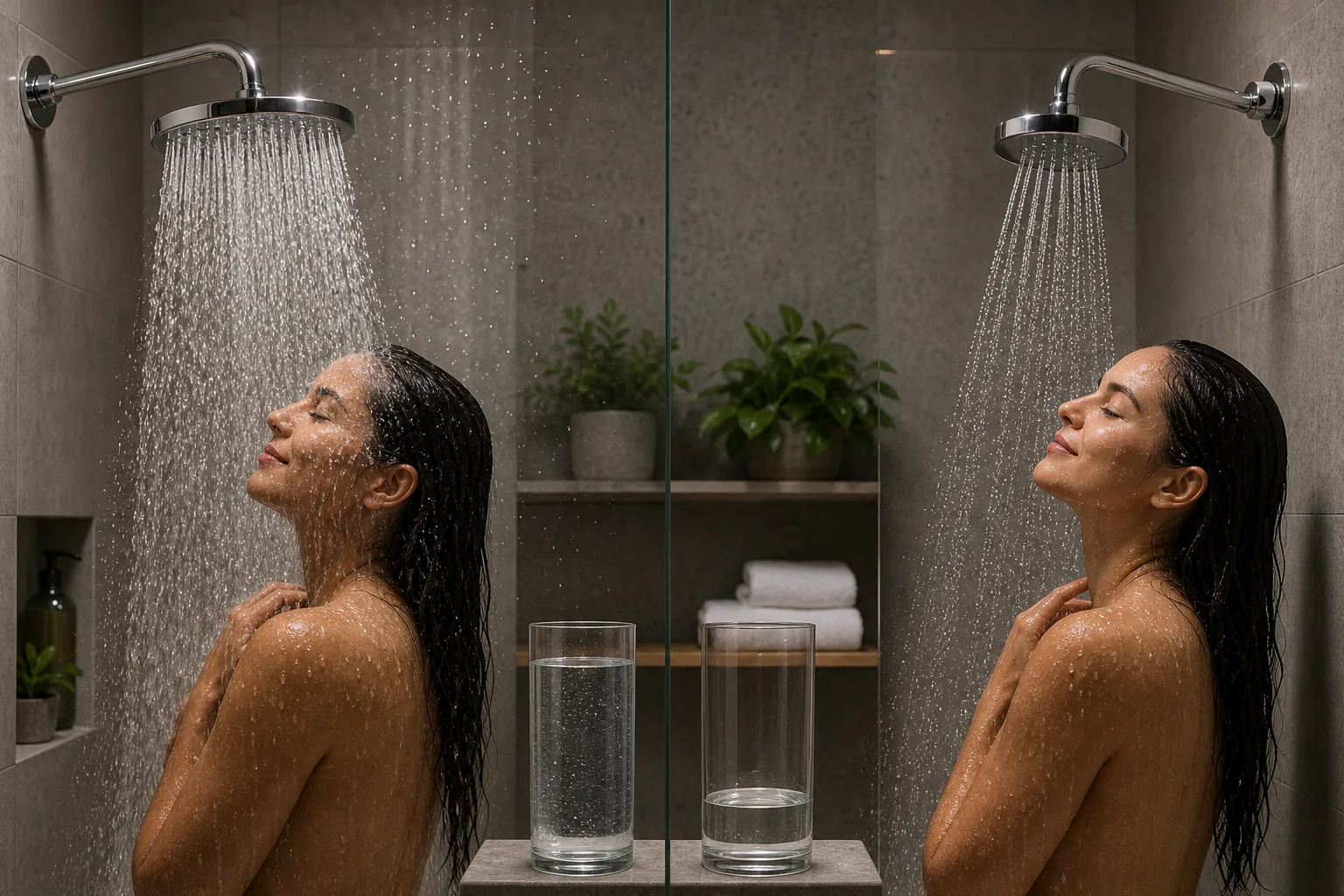
Roto‑Rooter notes that low-flow fixtures can cut water use by 30‑50 % without sacrificing performance. For additional showerhead information, see this resource.
Installation is simple: unscrew the old head, wrap plumber’s tape on the threads, and screw the new low-flow head on. Most models cost between $4‑$8, matching the Penn State Extension price range here .
One limitation is that very low‑flow models (under 1.5 GPM) can feel misty in homes with weak supply pressure. If your pressure is already low, review these common causes of low water pressure and ask a plumber which low-flow model is suitable for your system.
3. Low-Flow Showerheads — More consistent performance
Some low-flow showerheads use internal flow-control features that adjust water delivery to keep spray strength steady, even when water pressure fluctuates.
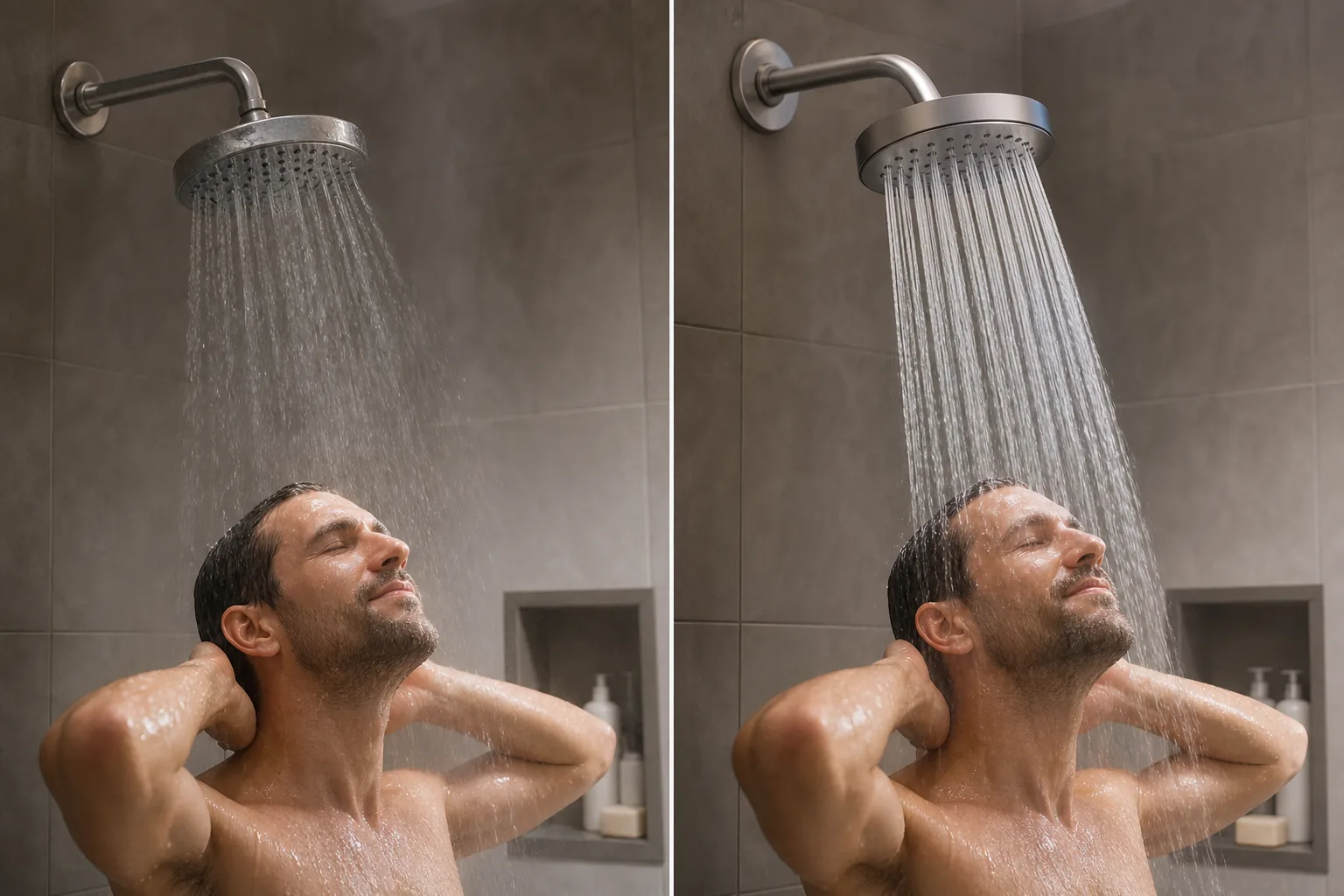
Roto‑Rooter explains that these heads force water through smaller nozzles at higher velocity, which tricks the brain into feeling the same pressure as a standard 2.5 GPM head.
They work well in older homes where pipe buildup can cause pressure dips. Installation is the same as any standard head, but internal components may need a bit more careful handling.
Drawback: costs and durability can vary, and internal components can wear over many years, requiring eventual replacement.
4. Showerhead Options — Practical savings for families and accessible bathrooms
Some showerhead options can provide reach for rinsing kids, pets, or cleaning the tub. They can also support water-saving goals while keeping everyday showering practical.
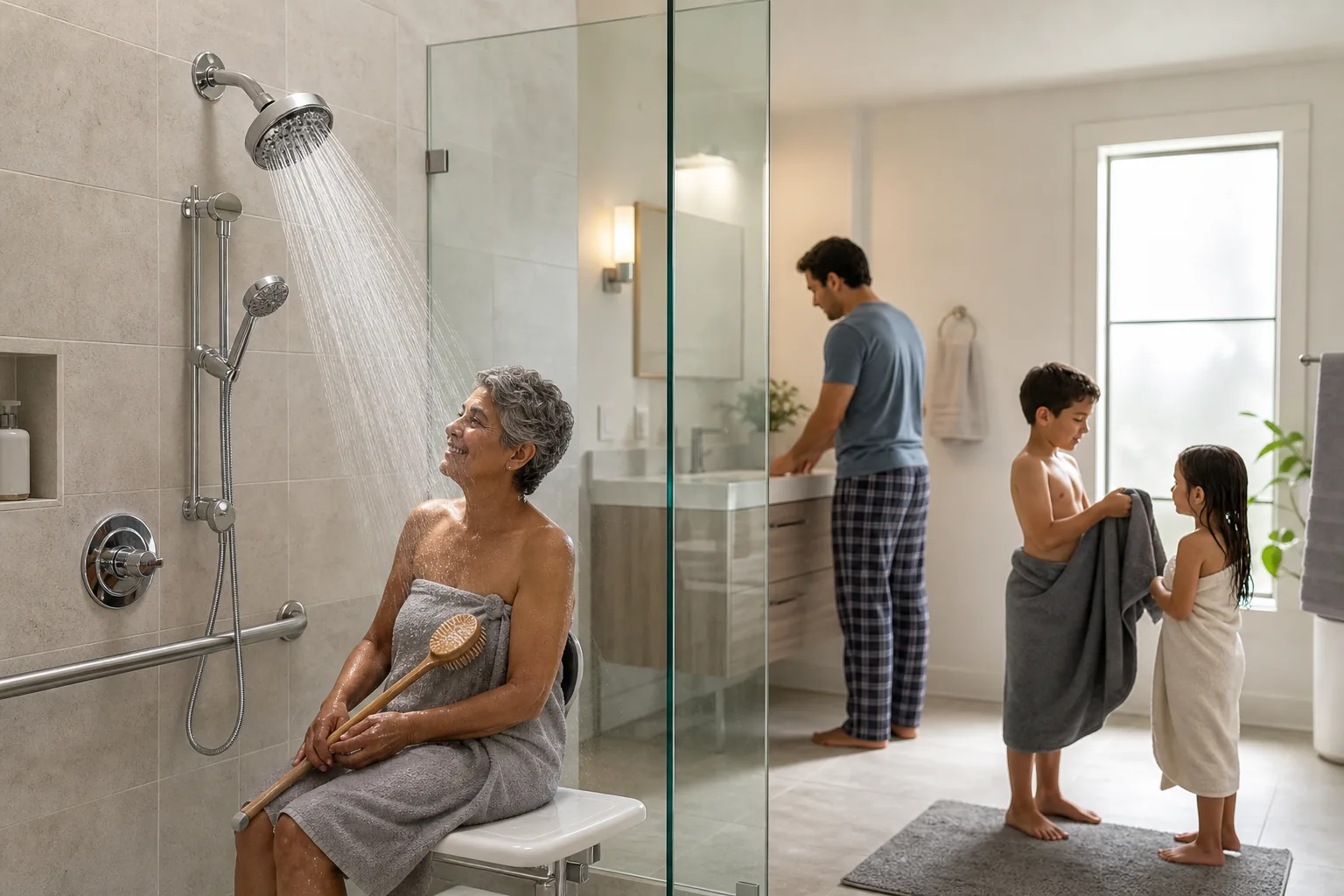
Adjustable designs can support households with mobility challenges because the user can change the angle without bending. Added reach can also make it easier to clean shower walls, reducing mold buildup.
Installation may require a bracket and a quick-connect fitting. Primewest Plumbing can handle the bracket placement if you need a sturdy mount.
Showerhead components can collect sediment over time, so occasional flushing is wise to keep flow steady.
5. Filtered low-flow showerhead setups — A usable upgrade for hard‑water concerns
These setups combine a low‑flow restrictor with an inline filter that traps chlorine, sediment, and minerals. They’re a solid choice for Orange County homes with hard water.
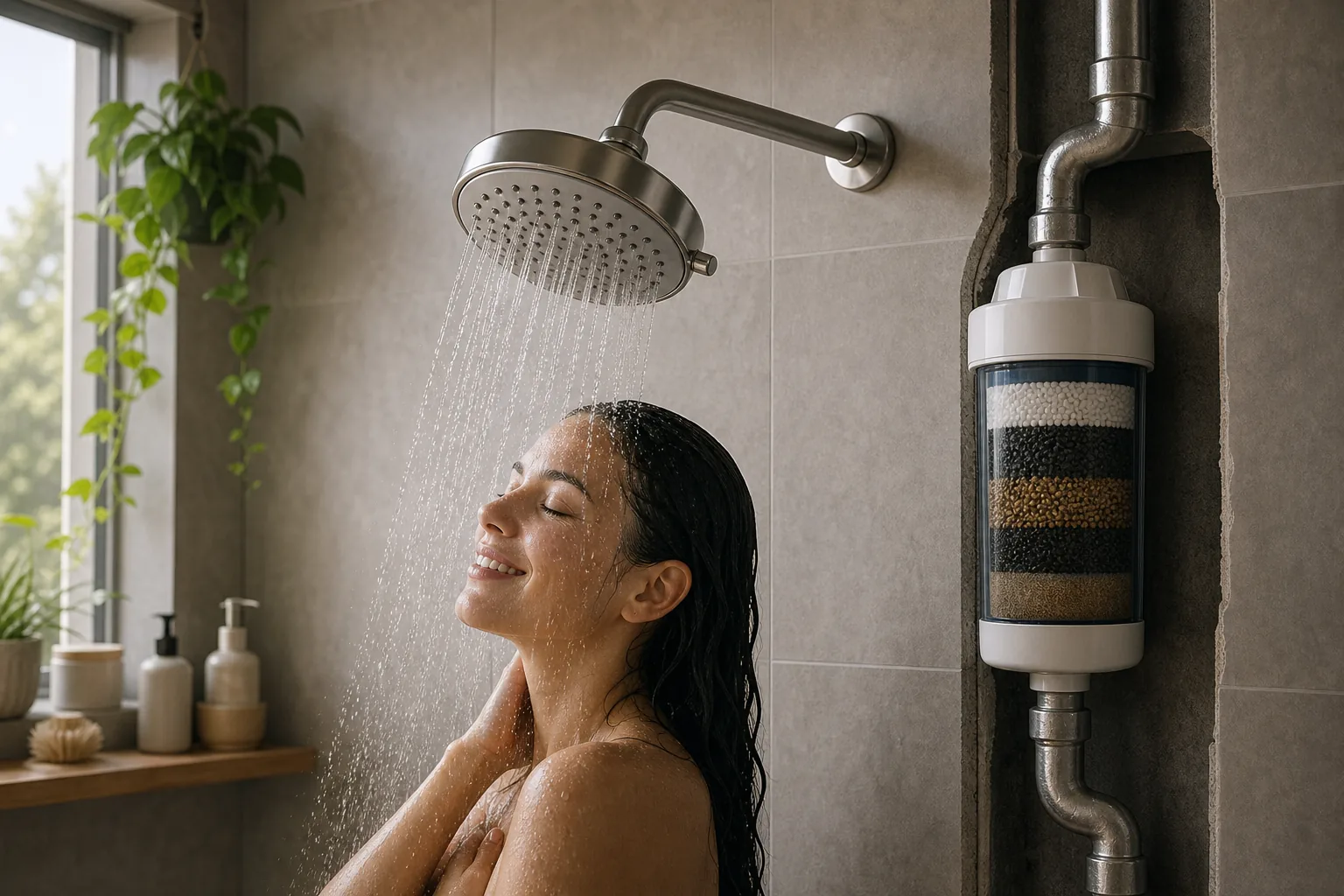
A filter can help address mineral concerns while the low‑flow design supports water savings and still delivers a strong spray. Homeowners comparing broader treatment options can also review whole-house water filtration system options based on contaminants, flow rate, and maintenance needs.
Changing the cartridge is a quick DIY task, usually once every 3‑6 months, making ongoing maintenance easy. Primewest Plumbing can install the unit and show you how to replace the filter safely.
One caveat: the added filter can create a slight pressure drop if the cartridge becomes clogged. Regular replacement avoids this issue.
How to Choose the Right Low‑Flow Showerhead
Check your home’s water pressure (45‑80 psi is normal). If it’s low, pick a pressure‑compensating model.
Consider who will use the shower. Families benefit from handheld heads; accessibility needs favor them too.
If you have hard water, a filtered head adds health and cleaning benefits.
Look for the EPA WaterSense label to guarantee at least 2 GPM flow.
Plan for professional install if you have older pipes or want a warranty; Primewest Plumbing offers that service.
Low‑Flow Showerhead Comparison: Which Option Fits Your Bathroom?
Feature | Aerating | Pressure‑Compensating | Handheld | Filtered |
Typical GPM | 1.5‑2.0 | 1.5‑2.0 | 1.8‑2.0 | 1.8‑2.0 |
WaterSense Certified | Yes | Yes | Yes | Yes |
Best for Low Pressure | No | Yes | Yes (with hose) | Yes |
Adds Filtration | No | No | No | Yes |
Installation Ease | Easy | Easy | Moderate (bracket) | Moderate (filter replace) |
Typical Cost | $4‑$8 | $8‑$12 | $12‑$20 | $15‑$25 |
Use the table to match your priority, whether it’s pure pressure, filtration, or flexibility. If you’re unsure, Primewest Plumbing can run a quick pressure test and recommend the best fit.
FAQ
Do low‑flow showerheads really save water?
Yes. A low‑flow head uses less water than a standard showerhead.
Will a low‑flow head lower my water bill?
Yes. Using less hot water means your heater runs less, cutting both water and energy costs.
Primewest Plumbing can help select and install a certified low‑flow showerhead.
What does a low‑flow showerhead label indicate?
It identifies a product designed to use a limited flow rate while meeting performance requirements.
How often should I check a low‑flow showerhead?
Usually every 3‑6 months, depending on water hardness and usage. Regular maintenance helps keep flow steady.
Conclusion
Pick the option that matches your pressure, budget, and any hard‑water concerns, Primewest Plumbing can handle the install and ensure you get the full water‑saving benefit. Contact them today for a free pressure check and a quote.


Comments