


How to Prevent Drain Clogs: 5 Simple Steps

Most drain clogs start small. Hair, grease, soap, and food scraps build up long before water stops moving. The best plan combines daily habits with scheduled cleaning, including annual hydro-jetting for many Orange County homes and businesses.
Use these five steps to keep your drains clear and know when DIY care has reached its limit.
Table of Contents
Step 1: Keep Hair, Food, and Debris Out of Your Drains
The first step in learning how to prevent drain clogs is to stop solid waste before it enters the pipe. A drain strainer does that job at the opening, where you can remove the waste by hand.
Place a strainer in shower drains, bathroom sinks, and kitchen sinks. Empty it often. Hair tends to twist into a tight mass, while food scraps mix with grease and cling to the pipe wall. Small amounts seem harmless, but repeated buildup narrows the path for water.
In the shower, clean the strainer before hair washes through it. In the kitchen, scrape plates into the trash or compost before rinsing them. Wipe pans with a paper towel before washing them if they hold oil or sauce.
A strainer won't fix a pipe that is already slow. It will reduce the amount of new material entering the line. That distinction matters. Prevention works best before the first warning sign.
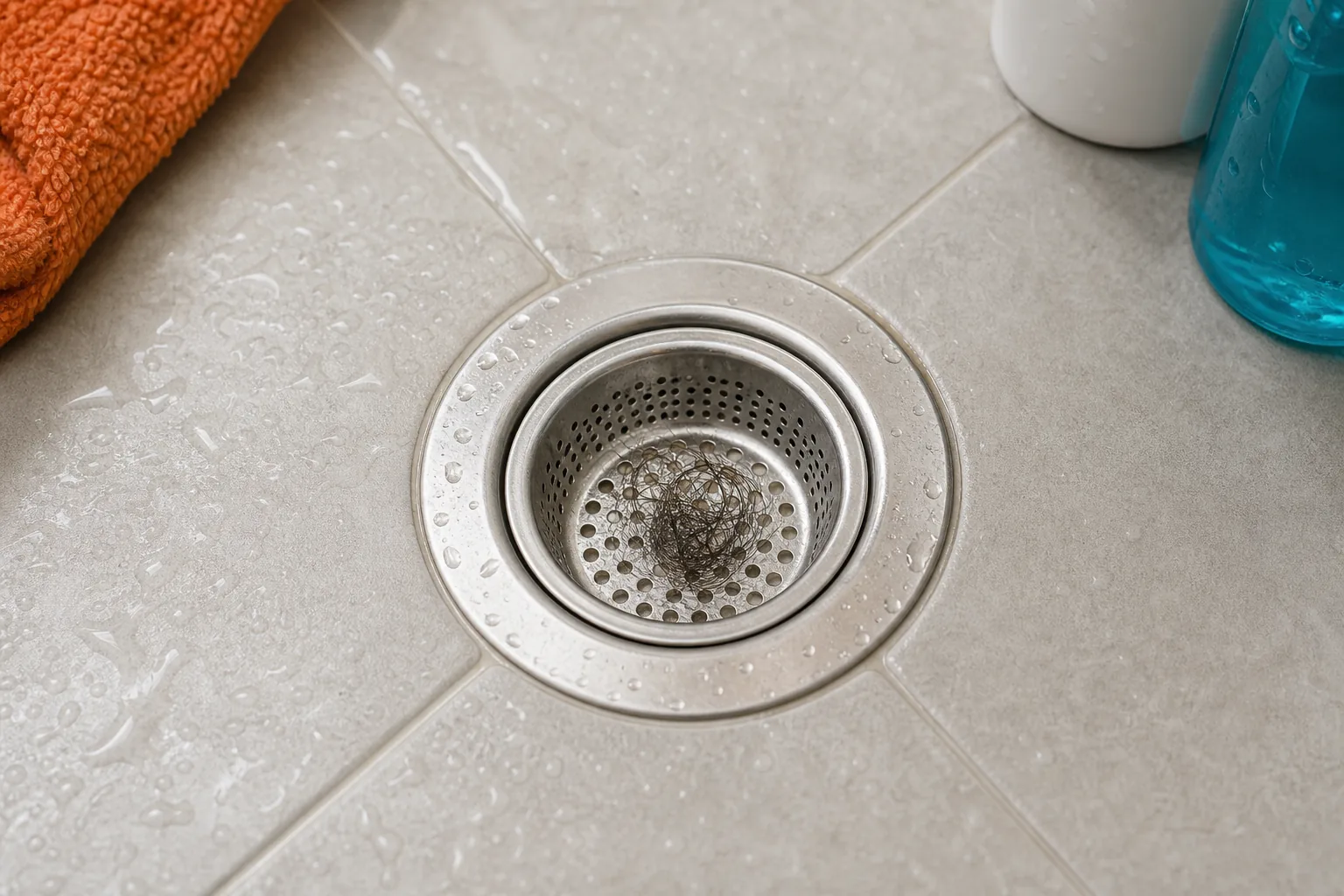
Some shower catchers use a removable mesh or adhesive cover. If you use one, follow its care directions and replace it when it fills. The right choice depends on the drain shape and how much hair the household produces.
For kitchen appliances, keep food waste out of the drain even when a disposal is present. A disposal can break up scraps, but it doesn't remove grease from the drain line. Careful sink use also protects plumbing near cooking areas. General kitchen appliance guidance is relevant here because kitchen equipment still depends on a clear sink and drain system: kitchen appliance guidance .
Milestone:Every frequently used drain should now have a strainer, and each person in the home should know what belongs in the trash instead.
Step 2: Flush and Lightly Clean Drains on a Routine Schedule
Routine care helps prevent drain clogs by removing light residue before it hardens. Set a simple schedule rather than waiting for a bad smell or standing water.
After washing dishes, run hot tap water for a short time. Weekly flushing can help move loose residue through a kitchen line. Use hot tap water rather than boiling water, especially if your system has plastic pipe or older joints. Extreme heat can damage some plumbing parts.
For a monthly whole-house check, run water through less-used fixtures. This keeps traps filled and helps you notice a drain that is slower than the others. Remove the stopper from bathroom sinks when needed, then clean away hair and soap film near the opening.
Baking soda followed by vinegar is sometimes used for light maintenance. Treat it as a mild rinse, not a cure for a blocked line. It may help with surface residue, but it cannot remove a deep mass of hair, grease, or roots. The same caution applies to homemade mixtures promoted as full drain cleaners.
When a drain is fully blocked, skip repeated experiments. A chemical drain cleaner may give short-term relief while leaving the main buildup in place. Some products also create a safety problem for anyone who later opens the trap or works on the pipe. The general idea of a drain cleaner is explained in Wikipedia's overview of drain cleaners , including the difference between chemical action and physical removal.
Keep a small log for a rental property, restaurant, or busy household. Write down the fixture, the date, and what you noticed. A pattern, such as a kitchen sink slowing every few weeks, points to a line that needs more than a rinse.
For a fuller schedule based on property use, to how often drains should be cleaned . The point is simple: light care belongs between professional visits, not in place of them.
Milestone:You should have a weekly kitchen flush, a monthly light-cleaning task, and a written note for any drain that keeps slowing.
Step 3: Stop Grease and Other Clog-Causing Materials at the Source
Grease is one of the easiest ways to create a stubborn kitchen clog. It may flow while warm, then stick to the inside of the pipe as it cools.
Never pour cooking oil, bacon fat, butter, or pan grease into the sink. Let the material cool, place it in a sealed container, and put it in the trash according to local disposal rules. Wipe greasy cookware before it reaches the wash basin.
Keep these materials out of drains too:
Coffee grounds and eggshell pieces.
Flour, rice, and expanding food waste.
Paint, cement residue, and construction dust.
Wipes marketed as flushable.
Hair, cotton products, and thick paper items.
Bathrooms need the same source-control mindset. Soap residue can join hair inside the trap. Dental floss can wrap around other debris. Never flush an item just because it fits through the toilet opening.
Restaurants and other commercial kitchens need a tighter routine. High daily use pushes more grease into the system, even when staff follow good habits. A licensed plumber may need to clean kitchen lines every one to two months in a busy setting, while broader commercial drain cleaning may occur quarterly or twice a year based on use.
Primewest Plumbing works with residential and commercial properties in Orange County. If a restaurant sink slows during service, don't wait for a total backup. A planned cleaning visit gives the manager a chance to address the line before it affects staff or customers.
The same rule applies at home. A sink that drains slowly after every meal is giving you useful information. It may need inspection rather than another dose of cleaner.
Decision rule:If grease keeps returning after careful sink use, the buildup is probably already inside the line. Change the maintenance plan instead of blaming the last meal.
Step 4: Use Safe DIY Maintenance and Recognize Early Warning Signs
Safe DIY care can help prevent drain clogs when the problem is small and close to the opening. It can't replace a diagnosis when several fixtures show the same symptom.
Start with the least risky option. Remove visible debris from the stopper or strainer. Use a plunger with enough water to cover the cup. Keep a firm seal, then make controlled strokes. Stop if the water level rises in another fixture.
For a minor kitchen grease issue, warm water with a small amount of dish soap may help loosen surface residue. Don't use boiling water in unknown pipe systems. Never mix chemical drain products, and don't add a second product after the first one fails.
Watch for these early signs:
Water drains more slowly than it did last month.
A sink makes a gurgling sound after the toilet flushes.
Several fixtures smell sour or musty.
Water backs up into a tub when a nearby fixture runs.
More than one drain backs up at the same time.
One slow bathroom sink may have a local hair blockage. Several slow drains can point to a branch line or main sewer problem. A camera inspection can show where the obstruction sits and whether pipe damage contributes to the issue.
Don't wait until a drain stops working. That mistake turns a small maintenance task into a disruptive repair. If sewage appears, stop using the affected fixtures and keep people away from contaminated water.
Primewest Plumbing can assess recurring drain and sewer problems in Orange County. Homeowners who want to compare repair paths can also review these clogged drain fixes in Orange County , including when a basic fix no longer fits the symptom.
By now, you should know which issues are safe to test at home and which ones need a plumber. That boundary protects both the pipe and the person working on it.
Step 5: Schedule Professional Drain Cleaning for Recurring Problems
Professional cleaning is the final part of a lasting plan for how to prevent drain clogs. It removes buildup that household tools can't reach and helps reveal the cause of repeat blockages.
For many residential properties, an annual professional cleaning is a sensible starting point. Commercial properties often need service quarterly or twice a year because their drains handle more frequent use. A busy kitchen may need a more frequent line-cleaning schedule.
Hydro-jetting uses high-pressure water to clear blockages and wash residue from pipe walls. It is useful when grease, soap, or other buildup coats a longer section of pipe. Primewest Plumbing provides hydro-jetting drain cleaning for Orange County homes and businesses. The right timing depends on pipe condition, usage, and the buildup found during service.
Hydro-jetting isn't the answer for every pipe. A technician should assess the line first, especially when the plumbing is old, damaged, or affected by roots. A camera inspection can locate the blockage and show whether cleaning alone is enough.
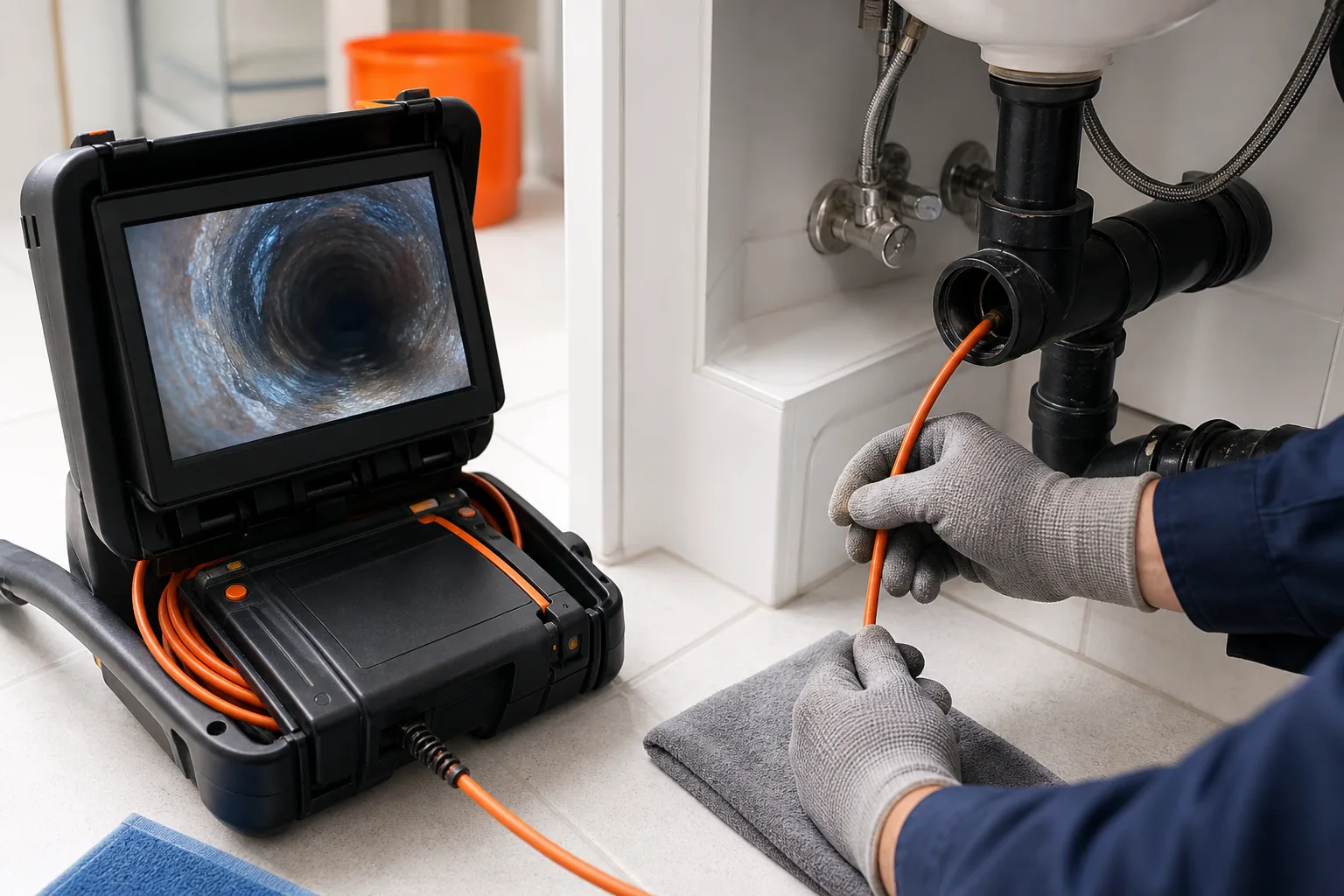
A targeted cleaning method may make sense for a nearby blockage. Hydro-jetting may be better when residue lines the pipe. A different repair approach may be considered when inspection finds a damaged underground line. The method should follow the diagnosis, not a one-size-fits-all sales pitch.
Main sewer lines may need cleaning every one to two years in some properties, but there is no universal calendar. A home with mature trees, older pipes, or repeat backups needs a plan based on inspection results.
Keep records after service. Note the fixture, cleaning method, camera findings, and recommended follow-up. This helps a homeowner or property manager see whether the interval is working. If the same line blocks again soon, ask why before scheduling the same treatment again.
For Orange County homeowners comparing cleaning methods, this overview of hydro-jetting versus drain snaking can help frame the discussion before a service visit.
Milestone:You should have a preventive date on the calendar, a record of past symptoms, and a clear trigger for requesting camera inspection.
FAQ: Preventing Drain Clogs
How often should I clean my drains?
Most homes can use light drain maintenance each month and consider professional cleaning at least once a year. A busy household may need more frequent service if a kitchen or bathroom slows often. Commercial properties commonly need quarterly or twice-yearly cleaning, while heavy-use kitchens may need a shorter interval.
Does baking soda and vinegar prevent clogs?
Baking soda and vinegar may help with light surface residue, but they won't remove a deep or solid blockage. Use the mixture as limited maintenance, not as a replacement for professional cleaning. If water drains slowly after the rinse, stop adding products and find the cause.
What should never go down a kitchen drain?
Never pour grease, oil, or fat into a kitchen drain. Keep coffee grounds, eggshells, flour, expanding food scraps, and wipes out of the plumbing too. Scrape plates first, wipe greasy pans, and place solid waste in the proper bin before washing dishes.
Are chemical drain cleaners safe for pipes?
Chemical drain cleaners can provide temporary relief, but they may leave deeper buildup behind and create a hazard during later repairs. Repeated use can also harm some pipe materials. A plunger or visible debris removal is safer for a minor issue. Recurring clogs need a proper inspection.
When should I call a plumber for a clogged drain?
Contact a plumber when several drains back up, sewage appears, a clog returns quickly, or plunging does not restore flow. These signs can point to a branch line or main sewer issue. Professional drain cleaning and camera inspection can find the blockage before it causes wider damage.
Conclusion
Use strainers, keep grease out, flush kitchen drains with hot tap water, and track slow-flow warnings. Then schedule professional drain cleaning before a recurring problem becomes an emergency. In Orange County, Primewest Plumbing can help assess the line and choose between routine cleaning, hydro-jetting, camera inspection, or a larger repair. Your next step is simple: inspect every frequently used drain and mark the first maintenance date on your calendar.


Comments