


How to Unclog a Main Sewer Line Safely

Updated: 10 minutes ago
Got a backed‑up drain and suspect the whole house is affected? A clogged main sewer line can turn a normal day into a nightmare fast. Follow these five steps to confirm the problem, tackle it with the right tools, and know when to call in the pros.
Table of Contents
Step 1: Confirm the Main Sewer Line Is Clogged
The first sign of a main line clog is multiple fixtures draining slowly at once. If your kitchen sink, bathtub, and toilet all drain sluggishly, the "trunk" of your plumbing system is likely blocked.
Check for gurgling sounds, foul odors, or water backing up in floor drains. A standing pool of sewage around a cleanout pipe is a clear red flag. The cleanout, a capped pipe that gives direct access to the main line, is usually found near the foundation or in the basement. Signs of a clogged sewer line often include these symptoms.
When you see these warning signs, you can be fairly sure the blockage sits in the main line rather than a single branch. At this point, you have two choices: try a DIY fix or call a professional. The risk of damage rises if you proceed without proper tools.
A main line clog can spread contamination throughout a home if left untreated, making early detection important.
Step 2: Open the Cleanout and Try a Manual Clearing Method
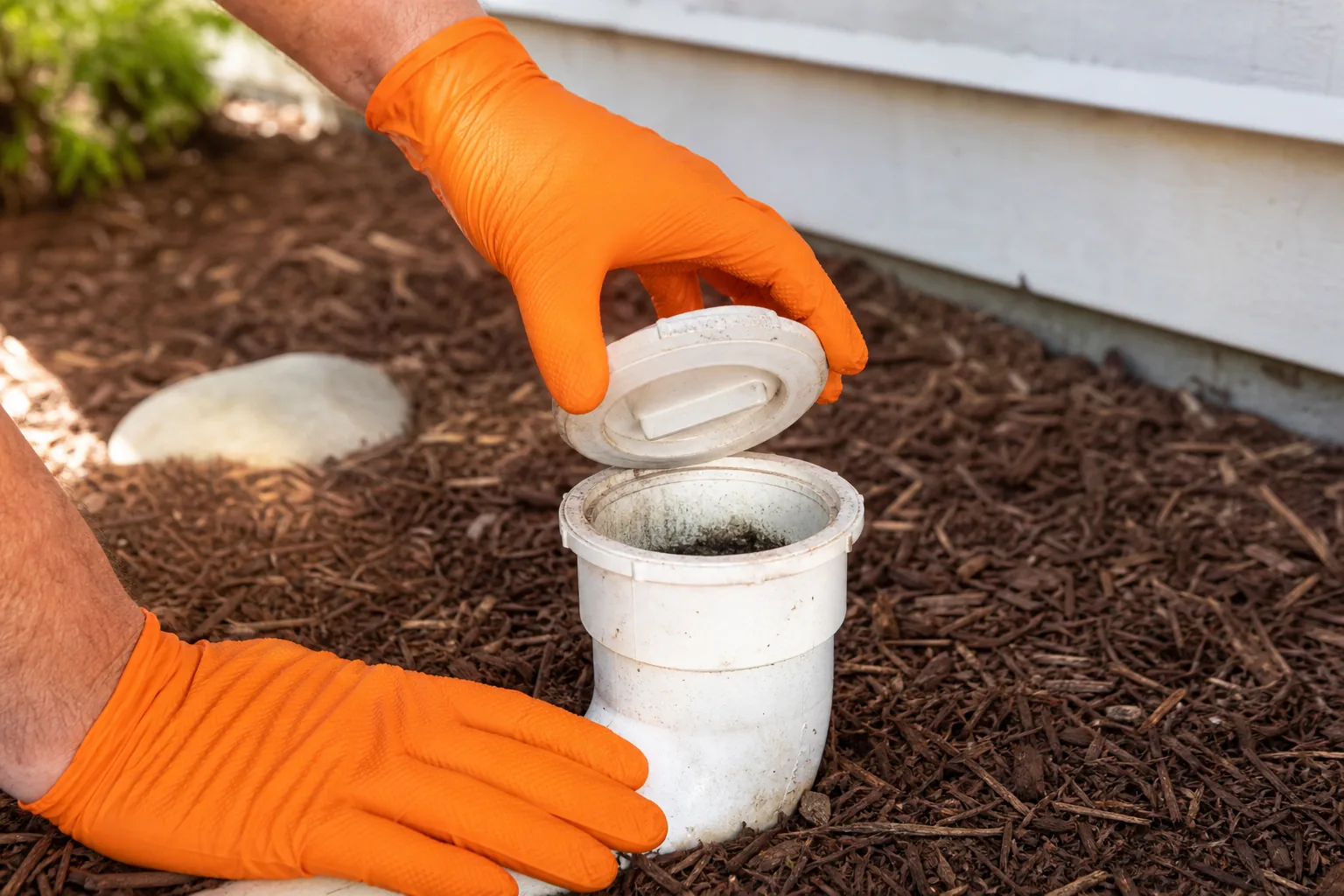
Locate the cleanout cap and remove it with a wrench. Wear gloves and protect your eyes, debris can splash out.
Insert a suitable manual clearing tool into the opening. Feed the cable until you feel resistance, then crank the handle to break up the blockage. Pull the tool out slowly to bring the debris with it.
If the tool meets a solid obstruction, you may hear a sudden stop or feel the cable tighten. Don't force it; you could damage the pipe or an intersecting gas line. In Southern California, natural gas pipelines sometimes run close to sewer lines, and accidental puncture can cause a leak. Contact the appropriate utility provider before using mechanical equipment on exterior lines. Gas line repair safety steps detail this risk.
By now you should have cleared minor debris and know whether the blockage is stubborn. If the tool fails to move past a point, you’ll need higher‑pressure cleaning.
Pro Tip:Keep a small bucket nearby to catch any water that may spill when you remove the cleanout cap.
Step 3: Use Hydro‑Jetting or a Pipe Inspection When the Auger Fails
If a basic drain-clearing method can’t break the clog, high‑pressure water jetting is the next step. A professional jetting system pushes water through the line to help clear grease, roots, and hardened buildup without harming pipe walls.
Professional crews attach the jetting hose to the cleanout and run it through the line while monitoring flow. The water pressure clears the obstruction and also scours the pipe interior, reducing future clogs.
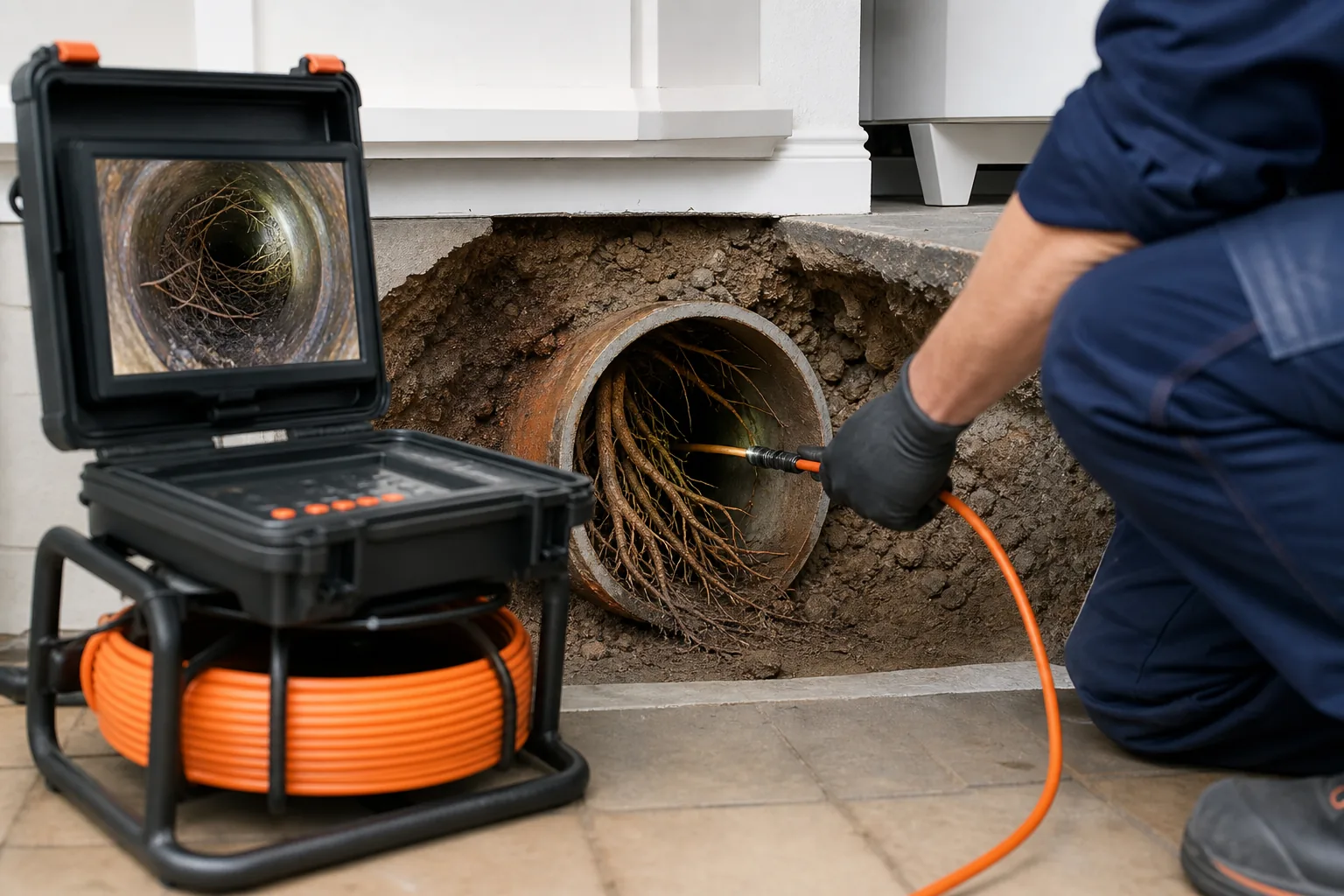
When even hydro‑jetting isn’t enough, a visual pipe inspection can help identify the location and nature of the problem. Inspection equipment moves through the pipe and provides a live view to a monitor. Technicians can see roots, cracks, or collapsed sections and decide whether repair or replacement is needed.
Review this sewer hygiene guidance before cleanup.
Step 4: Handle Tree Roots, Collapsed Pipes, and Recurring Blockages
Tree roots are a common cause of stubborn clogs. They seek moisture and can infiltrate joints, creating a lattice that blocks flow.
Hydro‑jetting often clears root intrusion, but severe cases need pipe repair. Trenchless methods can replace the damaged section without digging up your yard.
Problem | Typical Fix | When to Call a Pro |
Root intrusion | Hydro‑jetting or trenchless root removal | Roots reappear after two cleanings |
Collapsed pipe | Trenchless repair | Water backs up in multiple fixtures |
Frequent slow drains | Annual inspection + cleaning | More than three incidents per year |
Primewest Plumbing offers both hydro‑jetting and trenchless pipe repair in Orange County. Their approach can finish a trenchless job in 1 to 3 days, often cheaper than a weeks‑long excavation.
Choosing the right method depends on pipe material, depth, and local soil. Some soils expand and contract, making traditional excavation risky. In Orange County, the milder soil lets trenchless options work well.
Step 5: Flush, Clean Up, and Prevent the Next Sewer Backup
After the blockage is cleared, run a garden hose through the cleanout for several minutes to rinse residual debris.
Check each fixture for proper drainage. If any still drain slowly, repeat the flushing process or schedule a follow‑up inspection.
Prevention starts with regular maintenance. Avoid pouring grease, coffee grounds, or large food scraps down the kitchen sink. Use a screen over bathroom drains. Schedule an annual inspection for older homes, especially those with nearby trees.
When you need a reliable professional, Primewest Plumbing’s Drain/Sewer Service combines hydro‑jetting with trenchless repair, offering a fast, cost‑effective solution for Orange County homes and businesses.
FAQ: Unclogging a Main Sewer Line
Can I use chemical drain cleaners on a main sewer line?
No. Chemical cleaners can damage pipe walls and create hazardous fumes. They work best on small sink clogs, not on a full‑scale main line blockage.
How deep is the main sewer line usually buried?
Main sewer lines are typically 3‑6 feet below ground, but depth varies with local codes and landscape. In Orange County, many homes have lines 4 feet deep to stay clear of surface roots.
What does a sewer cleanout look like?
A cleanout is a short pipe with a round or rectangular capped end, often marked "sewer" or "cleanout." It provides direct access for tools and is usually located near the foundation or in the basement.
When should I call a professional instead of DIY?
If the auger won’t turn, you see sewage spilling from the cleanout, or you suspect root intrusion, call a licensed plumber. Professional equipment and an inspection can prevent costly damage.
Is trenchless pipe repair really cheaper than digging?
Yes, for many Orange County homes. Primewest Plumbing reports trenchless jobs finish in 1 to 3 days and often cost less overall than weeks of excavation, especially when you factor landscaping restoration.
Will hydro‑jetting damage old PVC pipes?
When done by a trained technician, hydro‑jetting is safe for PVC. The water pressure is regulated to avoid wall erosion while still clearing tough buildup.
Conclusion
If the steps above clear the line, you’ve saved time and money. If the blockage persists or you notice root damage, schedule a service with Primewest Plumbing for a fast, reliable fix.
Comments