


How to Stop a Pipe From Leaking: 5 Simple Steps

Got a drip that won’t quit? You can stop most leaks yourself with the right fix, then call a pro if it’s beyond a quick patch. Below are five clear steps that cover everything from a loose nut to a busted pipe section.
Table of Contents
1. Primewest Plumbing
Primewest Plumbing is a licensed residential and commercial service in Orange County. They handle leak detection, hydro‑jetting, trenchless repairs, and emergency calls. Homeowners in Dana Point, Laguna Niguel, and San Juan Capistrano rely on them for fast, code‑compliant fixes.
When a leak is small and you have the right tools, a DIY patch works. But if the pipe is corroded, under high pressure, or the repair is in a hard‑to‑reach spot, Primewest brings the expertise and equipment to finish the job right the first time. Their crews can assess the leak, decide whether tape, a clamp, a wrap, or full pipe replacement is best, and then execute it safely.
Choosing them means you skip the guesswork. Their technicians arrive on time, explain the problem in plain language, and follow local building codes. If you’re unsure whether a DIY fix will hold, give them a call for a free inspection.
Pro Tip:Ask the plumber to show you the repair method before they start. Watching the process helps you spot future issues.
Step 2: Seal a Leaking Threaded Connection With Pipe Tape
Threaded joints are common culprits behind drips from faucet hoses, sprinkler valves, or shower heads. The goal is to create a tighter seal without replacing the fitting.
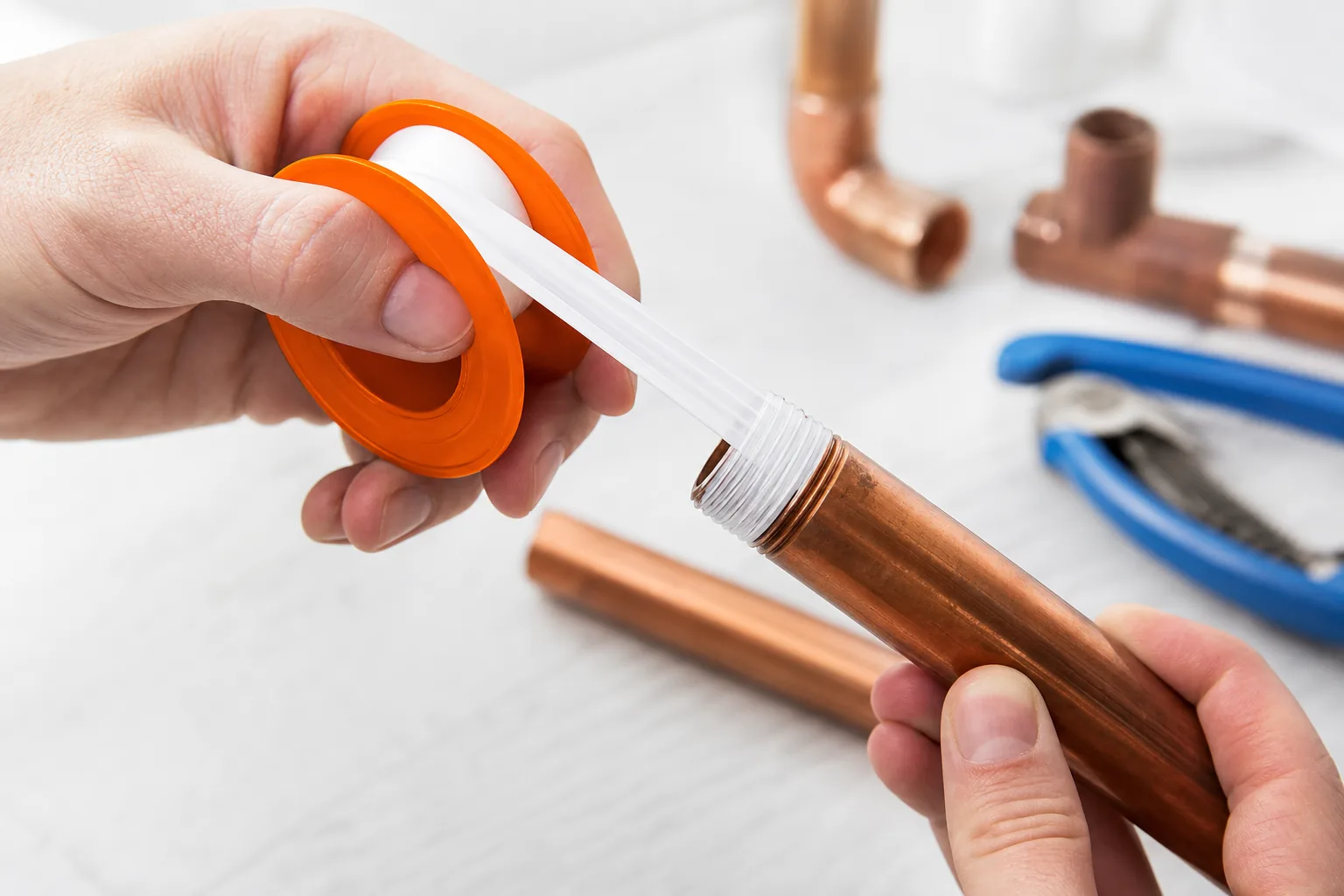
Gather pipe tape and an adjustable wrench. First, turn the water off at the nearest shut‑off valve. Then, unscrew the leaking joint just enough to expose the threads. Wrap the male threads clockwise with several layers of pipe tape, overlapping each layer by about half the width. Re‑tighten the joint with the wrench until it feels snug, don’t over‑tighten, which could strip the threads.
By now you should have a dry connection. Test by turning the water back on and watching for any seep.
Pipe tape works well for garden hose spigots and shower connections, and it’s readily available at local hardware stores.
Pipe tape is easy to apply and can help control minor leaks.
Step 3: Use a Pipe Repair Clamp for a Small Pipe Puncture
A pinhole or thin crack in a straight copper or steel pipe can be sealed without shutting off the line. The clamp sits over the leak, compresses a rubber gasket, and holds the pipe together.
Tools you need: a stainless‑steel repair clamp sized for the pipe’s outer diameter, a caliper or pipe‑tape to measure, a wire brush, a cloth, and a torque wrench.
First, measure the pipe’s outside diameter. Clean the area around the leak with the brush, then wipe it dry. Slip the clamp over the pipe so the gasket aligns directly over the hole. Hand‑tighten the bolts, then finish with the torque wrench to the manufacturer’s spec, usually around 20 Nm for ½‑inch pipe.
After tightening, run water to check the seal. If the leak stops, the job is done.
Pipe clamps can seal a leak while the system stays pressurized, saving time and water.
Wikipedia notes that repair clamps are a common temporary solution for emergency pipe leaks ( Wikipedia).
Step 4: Apply a Composite Wrap as a Short‑Term Repair
Composite wraps are resin‑impregnated bandages that cure into a hard shell. They’re ideal for leaks on elbows, tees, or other shapes where a clamp won’t fit.
Wear gloves and eye protection. Clean the pipe surface with a wire brush, then dry it thoroughly. Cut a strip of the wrap long enough to overlap the leak by at least two inches. Wrap the bandage tightly around the pipe, pressing it firmly into the resin. Let it cure for the time the manufacturer recommends, often 30 minutes for a full seal.
When the resin sets, the pipe can handle normal pressure again. The fix holds until a permanent replacement can be made.
A properly applied composite wrap can work on awkward shapes such as tees or elbows where a clamp won’t fit and provide a seal without shutting down the line.
Key Takeaway:Composite wraps buy you time when the pipe geometry prevents a clamp.
Step 5: Replace the Damaged Section or Call a Plumber
When corrosion, a large crack, or repeated failures appear, patching won’t hold. Full pipe replacement restores the pipe’s integrity.
Shut off the main water supply and drain the line. Use a pipe cutter to remove the bad section. Fit a new piece with the same material and diameter, then connect it using solder or compression fittings as required by code. Re‑pressurize the system and check for leaks.
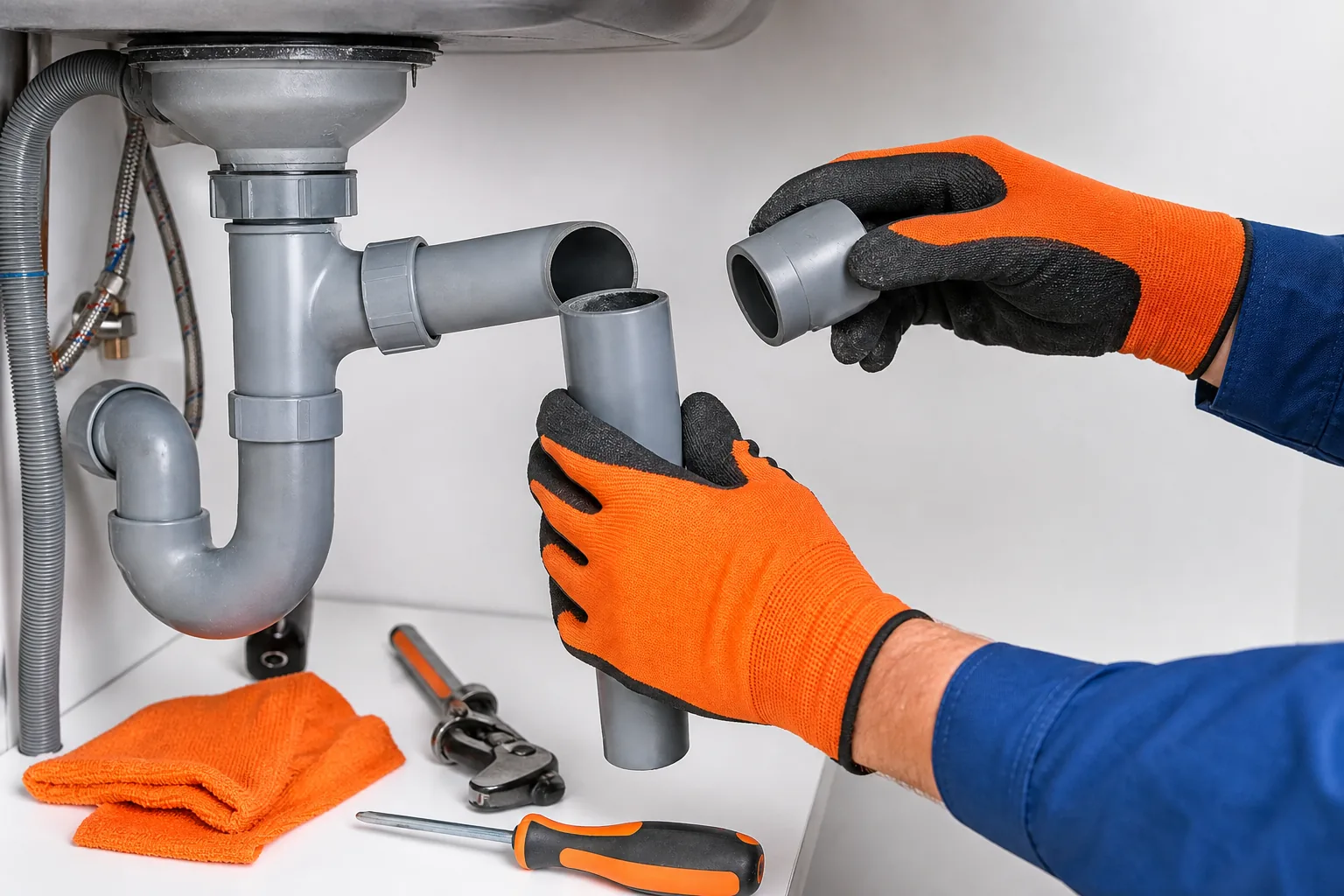
If you lack the tools or aren’t comfortable working with pressurized water, call Primewest Plumbing. Their crew can handle the repair when digging isn’t feasible.
Repair Option | When to Use | Pros | Cons |
Pipe Tape | Loose threaded joint | Cheap, quick | Only for threads |
Repair Clamp | Small pinhole in straight pipe | Works under pressure | Not for large damage |
Composite Wrap | Leak on elbows/tees | Fits odd shapes | Needs curing time |
Full Pipe Replacement | Severe corrosion | Permanent solution | Requires shutdown |
Primewest Plumbing can evaluate which option matches your situation and handle the work from start to finish.
For a deeper look at hidden leaks before they become visible, see How to Detect a Hidden Water Leak in Your Home . Their guide walks you through meter checks and thermal imaging.
When you need to know the signs of a slab leak, the article Signs of a Slab Leak in Your Home breaks down the clues you shouldn’t ignore.
Considering trenchless options? Top Benefits of Trenchless Pipe Repair vs Traditional explains why no‑dig methods often save time and money.
FAQ
Can I fix a leak without turning off the water?
Yes, a stainless‑steel repair clamp can seal a pinhole while the line stays pressurized, as long as the pressure stays below about 50 psi.
Is pipe tape good for a leaking faucet?
Pipe tape works well on threaded faucet connections; wrap the threads and tighten the joint to stop the drip.
How long does a composite wrap last?
When applied correctly, a composite wrap can hold for months to years, lasting until the pipe is replaced during scheduled maintenance.
When should I call a professional plumber?
If the pipe is cracked, corroded, or the leak repeats after a DIY fix, call a licensed plumber like Primewest Plumbing for a proper assessment and repair.
Do I need special tools for pipe replacement?
Replacing a pipe section requires a cutter or saw, new fittings, and wrenches; without these tools, a professional should handle the job.
Start with the simplest fix, pipe tape or a clamp, and move up the list if the leak persists. When the problem is beyond a quick patch, reach out to Primewest Plumbing for a reliable, code‑compliant repair.


Comments