


Water Heater Maintenance Checklist: Step‑by‑Step Guide

Skip the surprise cold‑water shock and expensive repairs. Here’s a usable water heater maintenance checklist you can follow on your own, plus where Primewest Plumbing can step in when you need a pro.
Step 1: Perform a Monthly Visual Inspection for Leaks and Corrosion
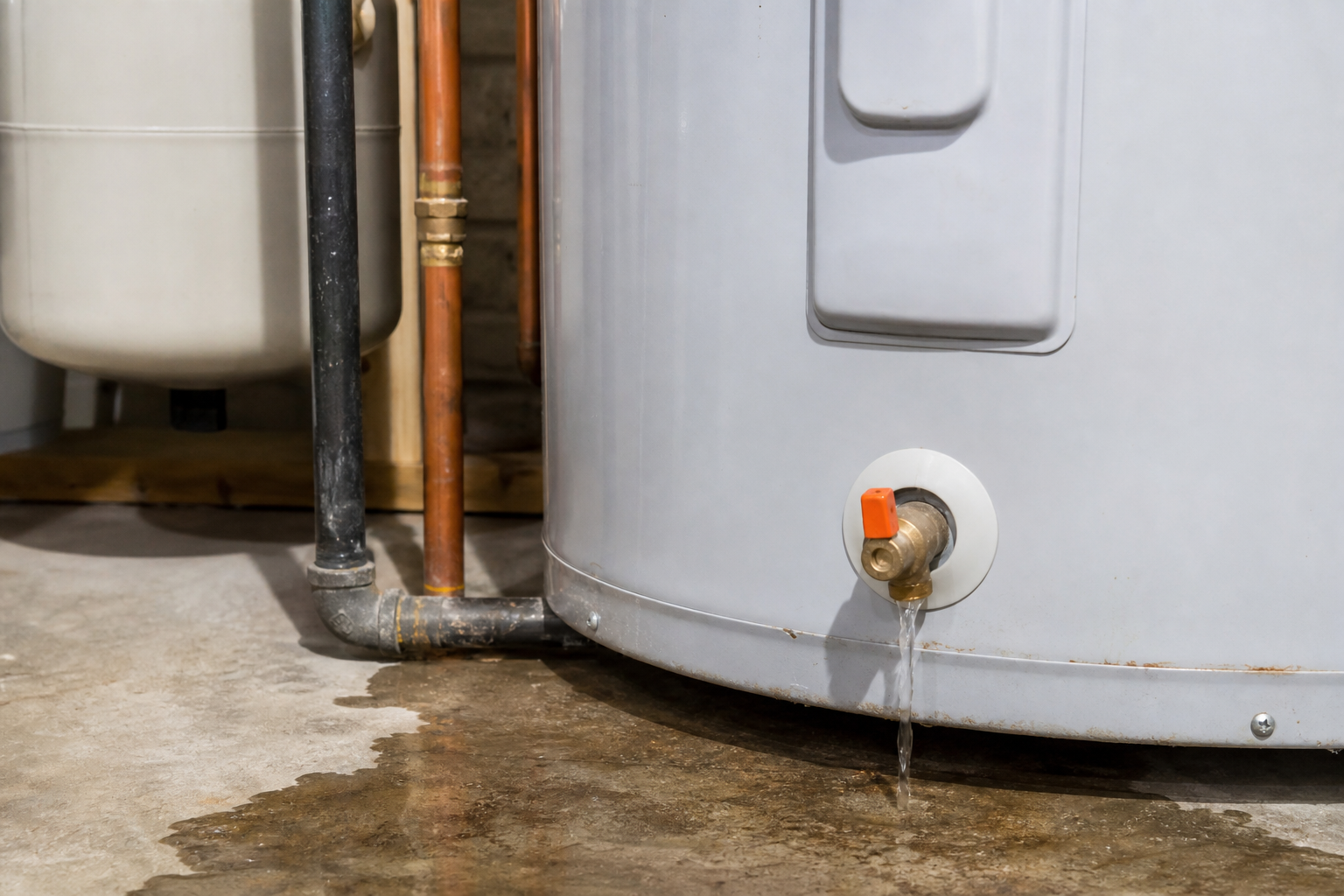
Look at the area around the tank, the flue, and the intake vents. Spot any water stains, rust, or wet spots on the exterior pipes. A bucket handy for a quick catch can help you see drips before they become floods.
Check the vent and flue for blockage or corrosion. A clear vent means the heater can breathe safely, especially on gas models.
Primewest Plumbing recommends a visual sweep at least once a month to catch early signs of trouble. Their same‑day service can fix a leak before it damages your home.
Knowing the most common leak symptoms and why early detection matters helps prevent damage.
Step 2: Test the T&P Relief Valve and Check for Sediment Monthly
Place a bucket beneath the temperature‑and‑pressure (T&P) valve. Open the valve for about five seconds and let the water flow into the bucket. The valve should release a steady stream and then close on its own.
While the valve is open, glance at the discharge water. A few specks of sediment indicate buildup inside the tank.
If the valve sticks or leaks after you close it, it needs replacement.
For a definition of the T&P valve and its safety role, see Wikipedia’s entry on temperature‑and‑pressure relief valves .
Primewest Plumbing’s technicians carry the right tools to verify valve operation without risking scalds.
Step 3: Drain and Flush the Tank Annually
Turn off the heater’s power or gas supply. Shut the cold‑water inlet valve.
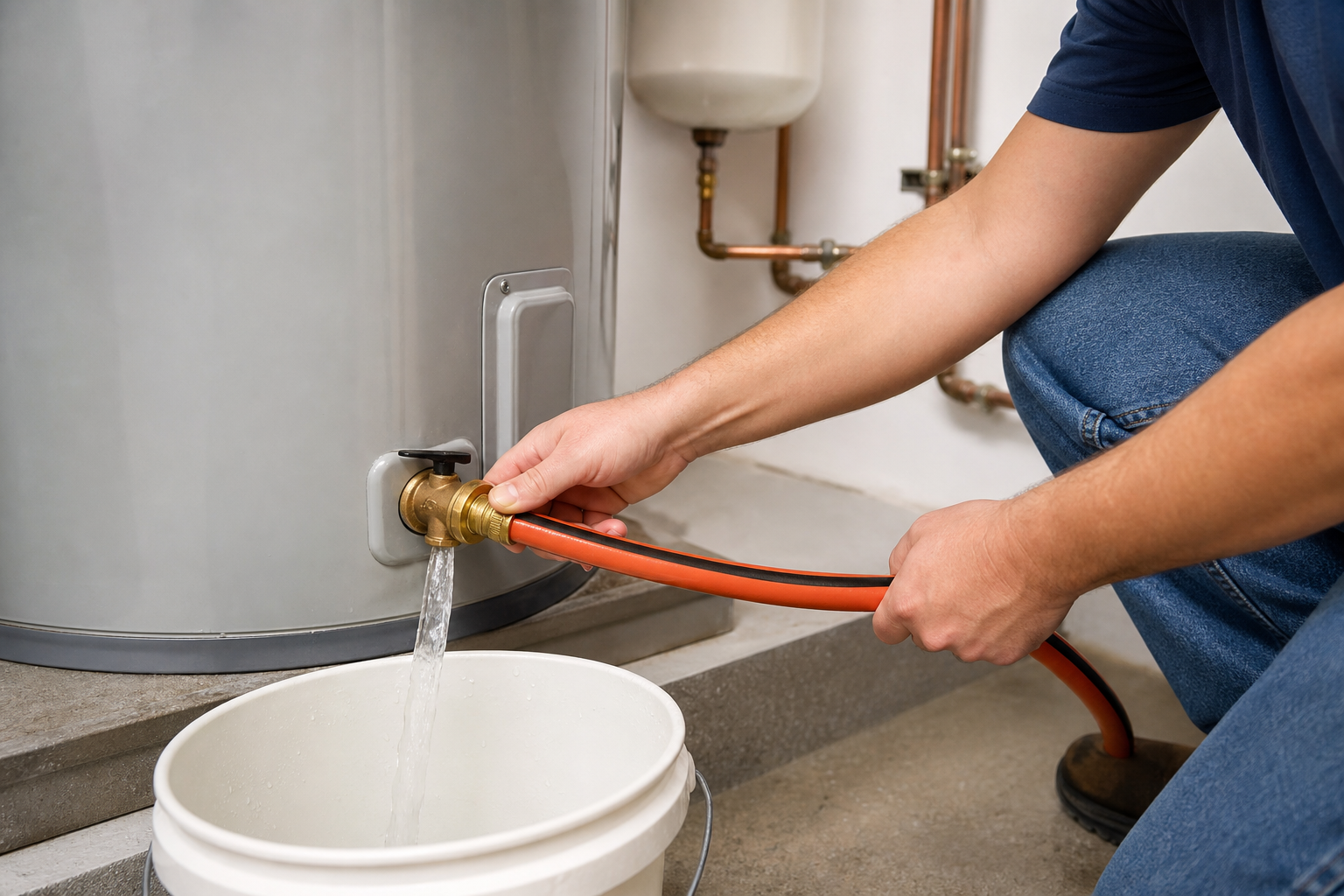
Attach a garden hose to the drain valve at the bottom of the tank. Run the hose into a large bucket or a floor drain.
Open a hot‑water faucet nearby to relieve pressure, then open the drain valve. Water will rush out, carrying sediment with it.
When the flow runs clear, close the drain valve, remove the hose, and turn the water supply back on. Let the tank fill, then restore power or gas.
Flushing removes mineral buildup that reduces heating efficiency and can cause noisy operation.
HotWater.com explains why an annual flush prolongs tank life.
Step 4: Inspect and Replace the Anode Rod Annually
Locate the anode rod on top of the tank. It looks like a large metal screw.
Unscrew it with a pipe wrench. If the metal core is coated with white, spongy, or rusted material, it’s time for a new rod.
Insert a fresh magnesium or aluminum rod, tighten, and restore the heater.
Replacing the rod stops the tank from corroding from the inside out, which can otherwise lead to leaks.
Primewest Plumbing can inspect the rod during their annual service and carry the correct replacement part for your model.
Step 5: Clean the Burner Assembly and Check Thermostat Annually
Remove the burner cover. Brush away dust and debris with a soft brush.
Rinse the burner with warm water, but avoid soaking electrical parts.
Use a multimeter to test thermostat continuity. No reading means the thermostat is faulty and should be swapped.
A clean burner burns more evenly, which improves heat transfer and saves energy.
Primewest Plumbing’s tankless water‑heater guide discusses why regular burner care matters for hybrid systems.
Step 6: Secure Electrical Connections and Insulation Wrap Annually
Turn off the breaker that powers the heater.
Inspect all wiring for loose terminals, frayed insulation, or signs of overheating. Tighten any loose screws.
Wrap the tank with an approved insulation blanket, leaving access to the control panel.
Proper insulation cuts heat loss, which can shave a few dollars off your energy bill each month.
Primewest Plumbing’s electricians follow the NEC code when tightening connections, ensuring safety and compliance.
Frequently Asked Questions
How often should I flush my water heater?
Flush the tank once a year. In hard‑water areas you may need to flush more often to prevent mineral buildup.
What does the T&P valve do?
The T&P valve releases excess pressure and temperature to protect the tank from exploding.
Can I replace the anode rod myself?
Yes, if you have a wrench and can shut off power or gas. Make sure the new rod matches the manufacturer’s specs.
Why is my water heater making popping noises?
Popping often means sediment is heating and creating steam bubbles. A flush will clear the buildup.
Do I need a professional for electrical checks?
If you’re uncomfortable working with electricity, call a licensed plumber. Incorrect wiring can be a fire hazard.
What’s the benefit of insulation wrap?
Insulation reduces heat loss, keeps water hotter longer, and can lower energy costs by up to 10%.
Conclusion
Follow this checklist to keep your heater running smoothly, and call Primewest Plumbing for the annual service that catches what you might miss.
Ready for the next step? Read our guide on reliable home plumbing services to learn more about preventative care.


Comments