


Best Tankless Water Heater for Orange County
- Primewest Plumbing
- 11 minutes ago
- 4 min read

Need endless hot water without a bulky tank? In Orange County the right tankless water heater can save space, cut bills, and keep showers steady even in the summer heat. Below is a step‑by‑step guide that walks you through picking, sizing, and installing the perfect unit.
Table of Contents
1. Primewest Plumbing
Primewest Plumbing is a local residential and commercial plumbing firm that installs, services, and repairs tankless water heaters across Orange County. Homeowners in Laguna Niguel, Mission Viejo, and Dana Point rely on the team for fast, licensed work.
The crew knows the local gas lines, electrical panels, and water‑temperature quirks that can make or break a tankless system. They can also help compare compact electric models with whole-home systems based on household demand.
Because Primewest Plumbing handles permits and inspections, you avoid costly re‑work later. Their 24‑hour emergency line keeps you from cold‑water surprises on a weekend.
Caveat: point-of-use electric models may suit smaller demands, while larger homes may need whole-house capacity.
Step 2: Match Fuel Type, Flow Rate, and Orange County Water Conditions
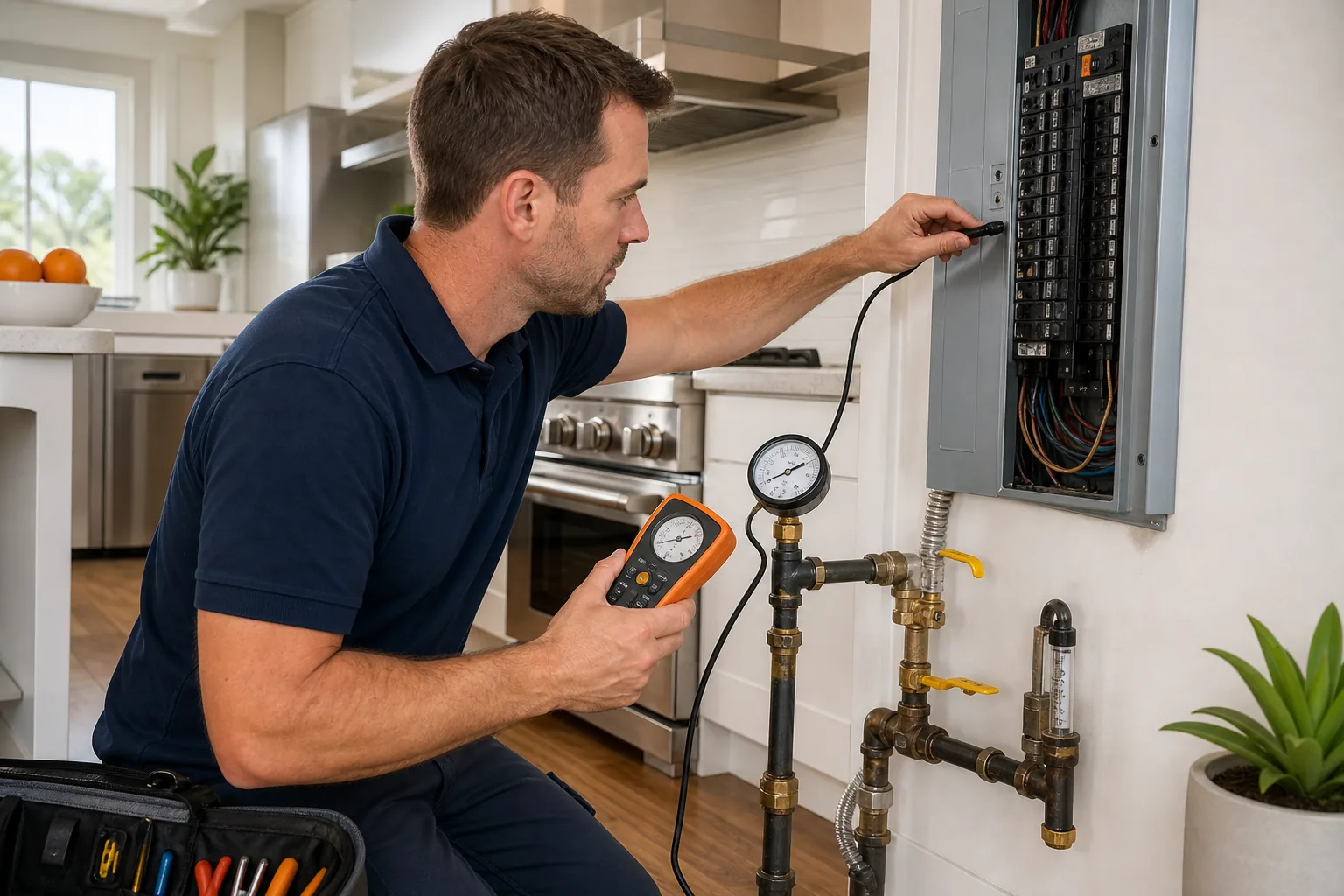
First, find out whether your home already has natural gas service. Most Orange County houses have gas for stoves and dryers, but newer builds in Irvine and Aliso Viejo can be all‑electric.
If gas is present, a gas‑powered heater usually delivers higher flow at lower electric demand. If you’re all‑electric, you’ll need to check your breaker size , a 36 kW unit may need a 200‑amp panel.
Next, estimate the peak flow you’ll need. The local groundwater temperature hovers around 60‑65 °F, meaning a unit rated for 7 GPM can usually handle two showers at once.
Use the descale guide to keep mineral build‑up from lowering flow over time.
Finally, compare your fuel choice against local climate conditions. In warmer pockets like Laguna Beach, electric units perform better because the water starts hotter, while cooler areas such as the Santa Ana foothills may benefit from gas.
Step 3: Compare Gas and Electric Tankless Water Heater Models
Now that you know your fuel and flow needs, look at the market options. Below is a quick snapshot of three top‑rated models that frequently appear in 2026 roundups.
Model | Flow (GPM) | Energy Source | Warranty |
Rinnai RU180iN | 10 | Natural Gas | 12 years |
Stiebel Eltron Tempra 36 Plus | 7.5 | Electric | 7 years |
Takagi T‑H3‑DV‑N | 10 | Natural Gas | 15 years |
Gas models like the Rinnai RU180iN hit the 10 GPM sweet spot and keep a strong UEF (0.93) that saves on fuel bills. Electric options such as the Tempra 36 Plus surprise many Orange County owners because the warm inlet water lets them hit 7.5 GPM without a massive electrical upgrade.
Key Takeaway:If you need 10 GPM or more, a gas unit like the Rinnai RU180iN is the safest bet; otherwise an electric model can meet most family needs in Orange County’s mild water temperatures.
Step 4: Choose Whole-Home Capacity for Your Household or Property
Whole‑home sizing starts with counting fixtures you expect to run together. A typical family with two bathrooms, a kitchen dishwasher, and a washing machine peaks around 4.5‑5 GPM.
Take the groundwater temperature into account. In Mission Viejo the water enters at about 50 °F, so a 7 GPM unit must raise the temperature by 70 °F. That pushes the effective flow down to roughly 5.5 GPM.
If you have three or more bathrooms, aim for a unit that can sustain 8‑10 GPM at a 70 °F rise. The Takagi T‑H3‑DV‑N fits that bill and still works with a standard ¾‑inch gas line.
When you’re unsure, Primewest Plumbing can perform a load‑calculation on site and recommend a model that matches your exact peak demand.
Step 5: Plan Professional Installation, Maintenance, and Repairs
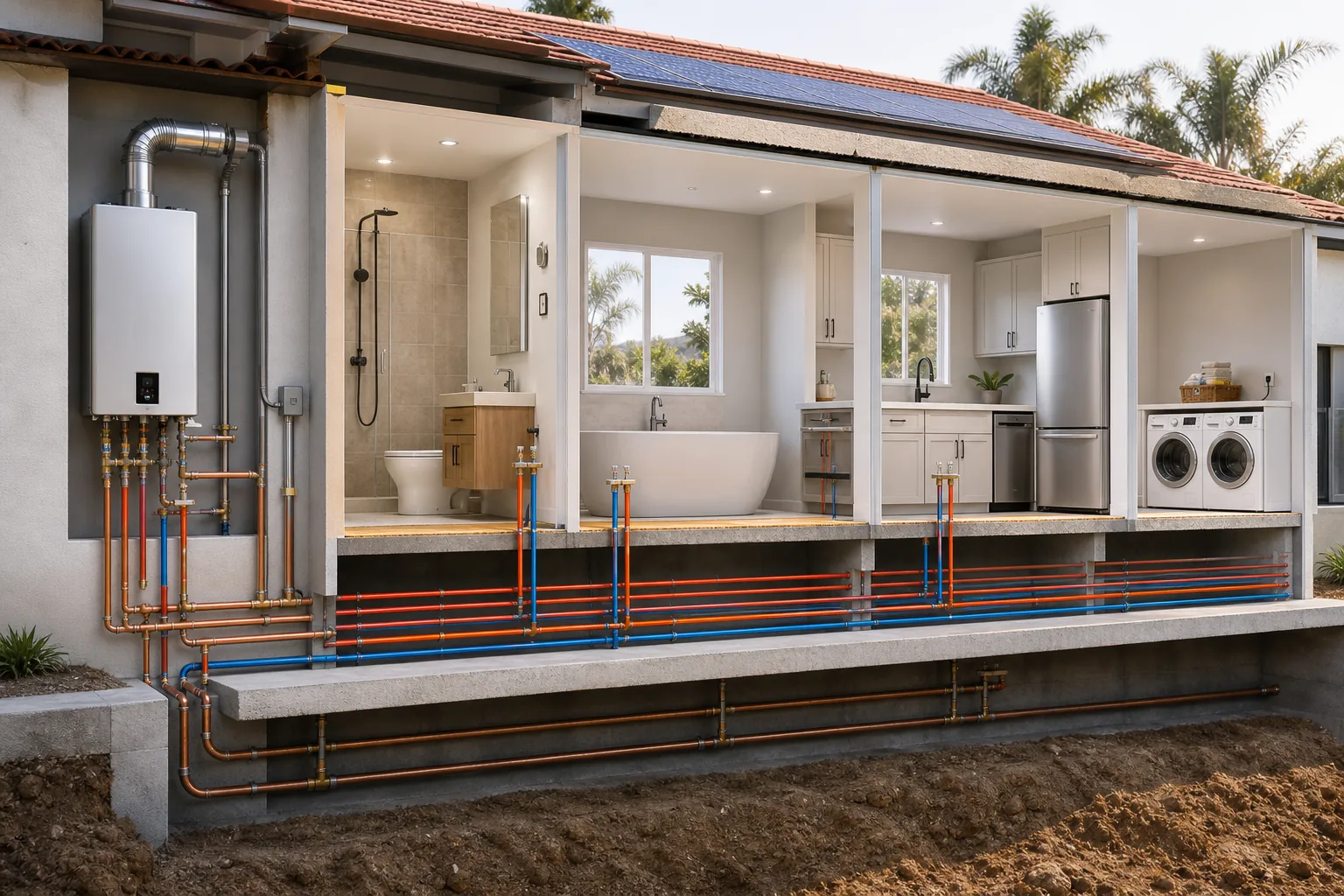
Installation isn’t a DIY job for most homeowners because it involves gas lines, electrical permits, and local code compliance. Primewest Plumbing handles the required permits and guarantees that the work meets the state installation requirements.
After the unit is up, schedule a yearly flush to prevent scale buildup. For practical planning, review the installation cost guide ; professional descaling service rates are available on request, and regular maintenance can help extend the heater’s life.
If anything goes wrong, Primewest offers a 24‑hour repair hotline. Their technicians carry factory‑approved parts for Rinnai, Takagi, and Stiebel Eltron, so you won’t wait weeks for a fix.
Pro Tip:Keep the unit’s error code manual handy. A quick reset often clears minor sensor hiccups without a service call.
FAQ
What size tankless water heater do I need for a 3‑bathroom home?
A 3‑bathroom home typically requires 7‑8 GPM at the local temperature rise. Look for a model that lists that flow at a 70 °F rise, such as the Takagi T‑H3‑DV‑N.
What electrical service does a tankless heater need?
Electrical requirements vary by model, so confirm the needed service before installation.
Do I need a vent for a gas tankless water heater?
Yes, gas units require a vent to the outside. Primewest Plumbing installs vent kits that meet California Title 24.
How often should I descale my tankless water heater?
In Orange County’s mineral‑rich water, a yearly descale keeps flow rates steady and prevents corrosion.
Will a tankless water heater raise my electric bill?
If you choose an electric model, the bill can rise during winter when the inlet water is colder, but the high efficiency (UEF ≥ 0.90) offsets most of that increase.
Is a tankless water heater covered by homeowner’s insurance?
Most policies cover the unit as part of the home’s structure, but you should check the deductible and any exclusions for plumbing work.
Ready to ditch the old tank and get endless hot water? Call Primewest Plumbing today, schedule a free on‑site sizing, and let the experts handle permits, installation, and future upkeep.


Comments