


How to Find a Water Leak Underground

Water disappearing from your bill or damp spots in the yard can mean a hidden pipe is leaking. You don’t need a crystal ball, just a few clear steps and the right tools. Follow this guide to locate an underground water leak and stop the waste before it damages your home.
Table of Contents
- Step 1: Check the Water Meter With Every Fixture Off
- Step 2: Trace the Likely Pipe Route and Look for Surface Clues
- Step 3: Use Non-Invasive Detection Methods Before Digging
- Step 4: Rule Out Indoor, Irrigation, and Service‑Line Problems
- Step 5: Call Primewest Plumbing for Precise Leak Location and Repair
Step 1: Check the Water Meter With Every Fixture Off
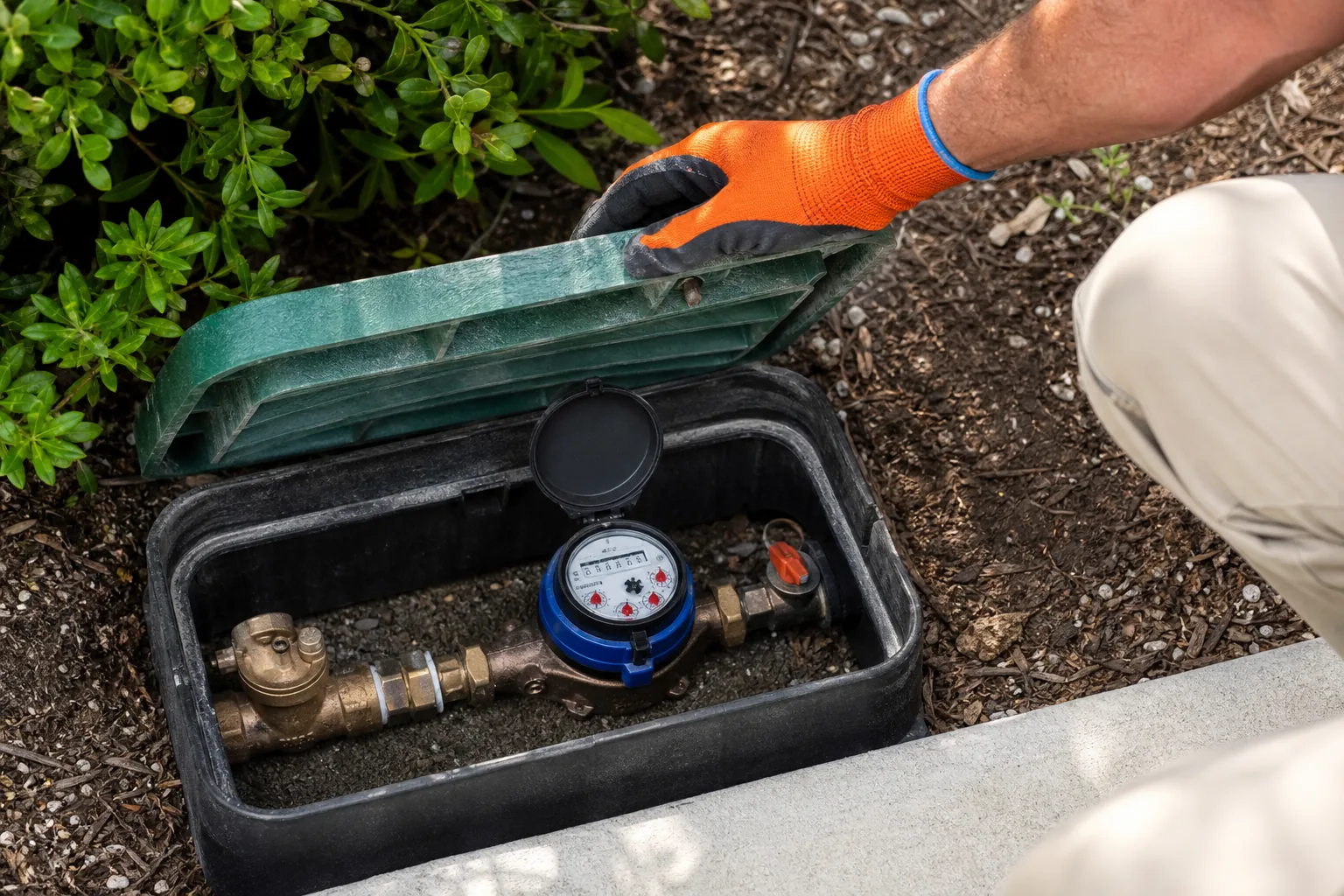
First, make sure every tap, dishwasher, and sprinkler is shut off. Open the meter box and note the needle or digital readout. If the meter hand moves while everything is off, water is still flowing somewhere underground.
Turn the meter dial to the “off” or “zero” position if it has a reset knob. Wait 15 minutes, then look again. A moving needle now signals a leak in the supply line.
Many homeowners miss this simple test and waste hundreds of gallons each month. A constantly moving meter is a reliable early warning sign. It’s cheap, requires no special equipment, and works for any property.
Keep a record of the meter reading. By noting the start and end numbers, you can estimate the leak’s flow rate and decide whether a DIY fix might work or you need a pro.
Step 2: Trace the Likely Pipe Route and Look for Surface Clues
Most residential water lines follow a predictable path: from the street curb, under the driveway, then into the house slab. Grab a simple map of your lot or use the property survey if you have it.
Walk the perimeter and look for signs like unusually green grass, soggy soil, or small puddles that appear after a rain. These spots often indicate a leak below.
Check for cracked or loose irrigation heads, and watch for water‑stained concrete near the foundation. A faint hissing sound at night can also point to a pipe under a flower bed.
When you spot a suspect area, mark it with spray paint or a flag. That will guide the next detection step.
Pro Tip:A garden hose laid out along the suspected pipe line can help you visualize the route. Lay the hose, then follow the same path with a handheld pipe‑locating device for better accuracy.
For more on spotting hidden leaks, see How to Detect a Hidden Water Leak in Your Home . It walks you through the visual clues specific to Orange County homes.
Step 3: Use Non-Invasive Detection Methods Before Digging
If visual clues point to a spot but you’re not ready to break ground, try a few non‑invasive tools.
Acoustic PVC detectors listen for the sound of water moving through plastic pipes. The louder the hiss, the closer you are to the leak. A magnetic pipe locator can sense metal fittings attached to PVC, giving you a rough line to follow.
Ground‑penetrating radar (GPR) sends radio waves into the soil and maps the return signal. It can locate both metal and non‑metallic pipes with high accuracy. The EPA notes that GPR is a trusted method for underground utility detection (EPA.gov). While a rental GPR unit can cost a few hundred dollars, it’s still cheaper than a full‑scale excavation.
Tool | Best For | Pros | Cons |
Acoustic PVC Detector | Plastic pipe leaks | Portable, cheap | Requires quiet environment |
Magnetic Pipe Locator | Metal‑fitted PVC | Works in soil | Limited depth |
Ground‑Penetrating Radar | Both metal & plastic | High accuracy | Rental cost |
These tools let you pinpoint a leak within a few feet, so you can dig a small trench rather than excavate the whole yard.
When you’ve narrowed the area, you’ll know exactly where to dig.
Key Takeaway:Non‑invasive tools can locate a leak to within a foot, saving time and digging costs.
Step 4: Rule Out Indoor, Irrigation, and Service‑Line Problems
Before you pull a shovel, make sure the leak isn’t coming from inside the house, the irrigation system, or the main service line.
Turn off the main water valve inside the home. If the meter still runs, the leak is likely on the curb side. Check irrigation timers and sprinkler heads for broken seals.
Inspect the visible service line that runs from the street to the house. Look for corrosion, loose joints, or water stains on the foundation wall.
Monitor the home's water flow for a steady indication that may suggest a leak somewhere upstream.
For a deeper dive on service‑line issues, read Signs of a Slab Leak in Your Home . It explains how to differentiate a slab leak from an outdoor pipe problem.
Nearby tree roots can crack underground pipes, so a nearby tree may be the hidden cause.
Step 5: Call Primewest Plumbing for Precise Leak Location and Repair
If you’ve narrowed the leak to a specific spot but need exact coordinates, Primewest Plumbing ’s leak‑detection crew can step in.
The team uses acoustic sensors, video inspection cameras, moisture meters, and pressure testing to map the pipe network in real time. Their trenchless methods let them repair most leaks without large excavations.
Primewest serves homeowners, property managers, and commercial owners across Orange County, from Dana Point to Laguna Niguel. Their response time is under two hours for emergencies, which can stop damage fast.
Schedule a visit through their website or online booking portal. The technician will arrive, confirm the leak’s location, and give you a clear repair plan with cost options.
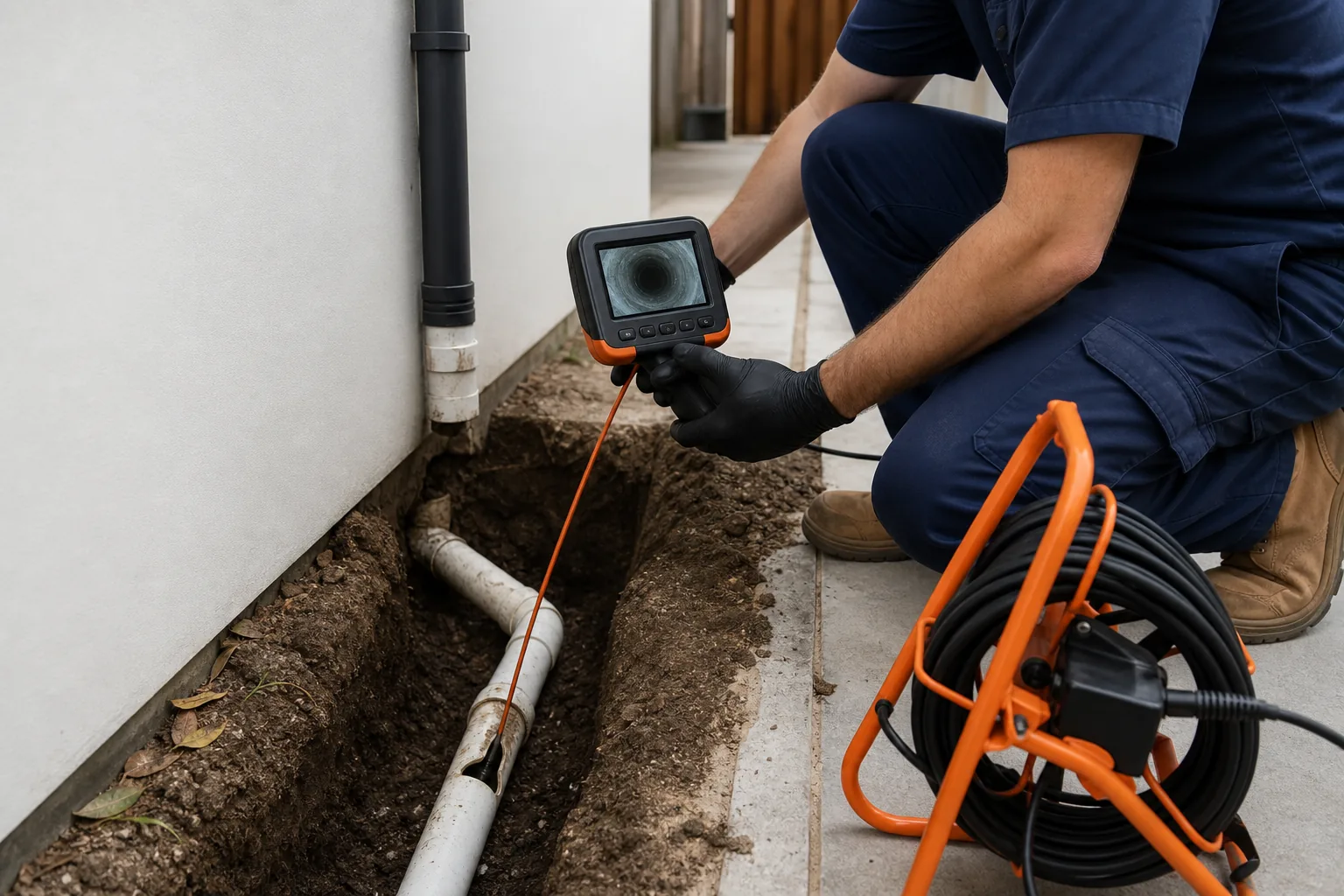
Choosing Primewest means you avoid the guesswork of DIY tools and get a guarantee on the repair.
FAQ: Finding an Underground Water Leak
How can I tell if my water meter is showing a leak?
Turn off every faucet and device, then watch the meter. If the needle or digital readout moves, water is still flowing somewhere in the system.
What does a “wet spot” in my yard indicate?
A wet or unusually green patch that appears after the rain often means water is seeping from a broken pipe beneath the soil.
Do I need special equipment to locate an underground leak?
You can start with a simple acoustic detector or a magnetic pipe locator, but professional tools like ground‑penetrating radar give higher accuracy.
Can tree roots cause underground leaks?
Yes. Roots can grow into pipe joints or crack older PVC, creating a slow drip that shows up as a meter reading.
When should I call a plumber instead of digging myself?
If you’ve identified the leak area but lack the tools to pinpoint the exact pipe, or if the pipe is under a foundation, call a professional. Primewest Plumbing can locate and repair without unnecessary excavation.
Stopping a hidden leak early saves water, lowers your bill, and protects your property from costly damage.
Ready to end the waste? Contact Primewest Plumbing today, schedule a leak‑detection visit, and get your water system back under control.


Comments